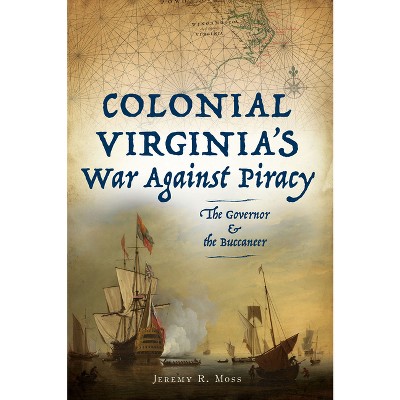
Piracy became quite a serious issue for Colonial Virginia during the late 17th Century. Many leading figures were split regarding how to handle the situation. Some didn’t want to handle it at all, as they saw piracy as useful outlet circumventing the hated Navigation Acts.
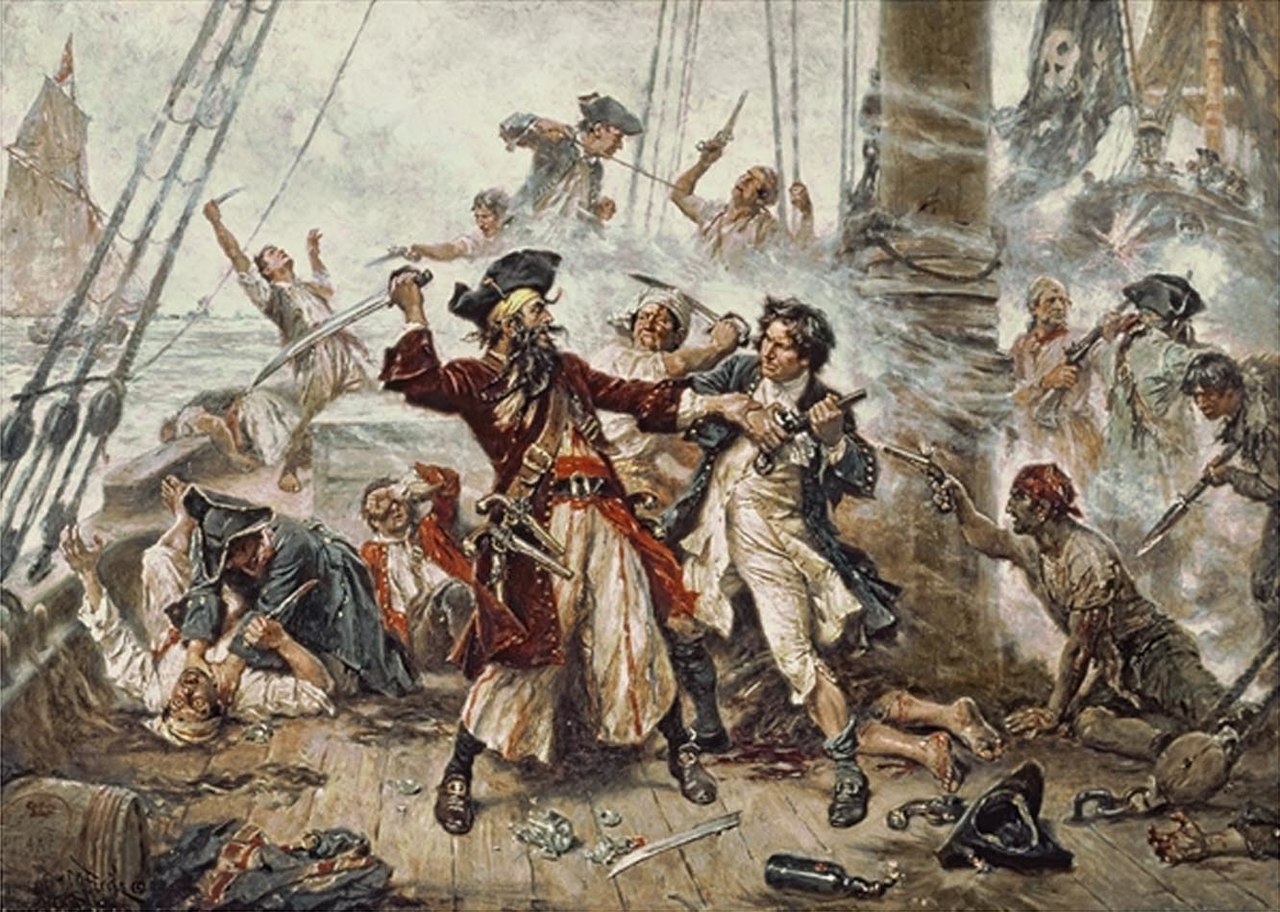
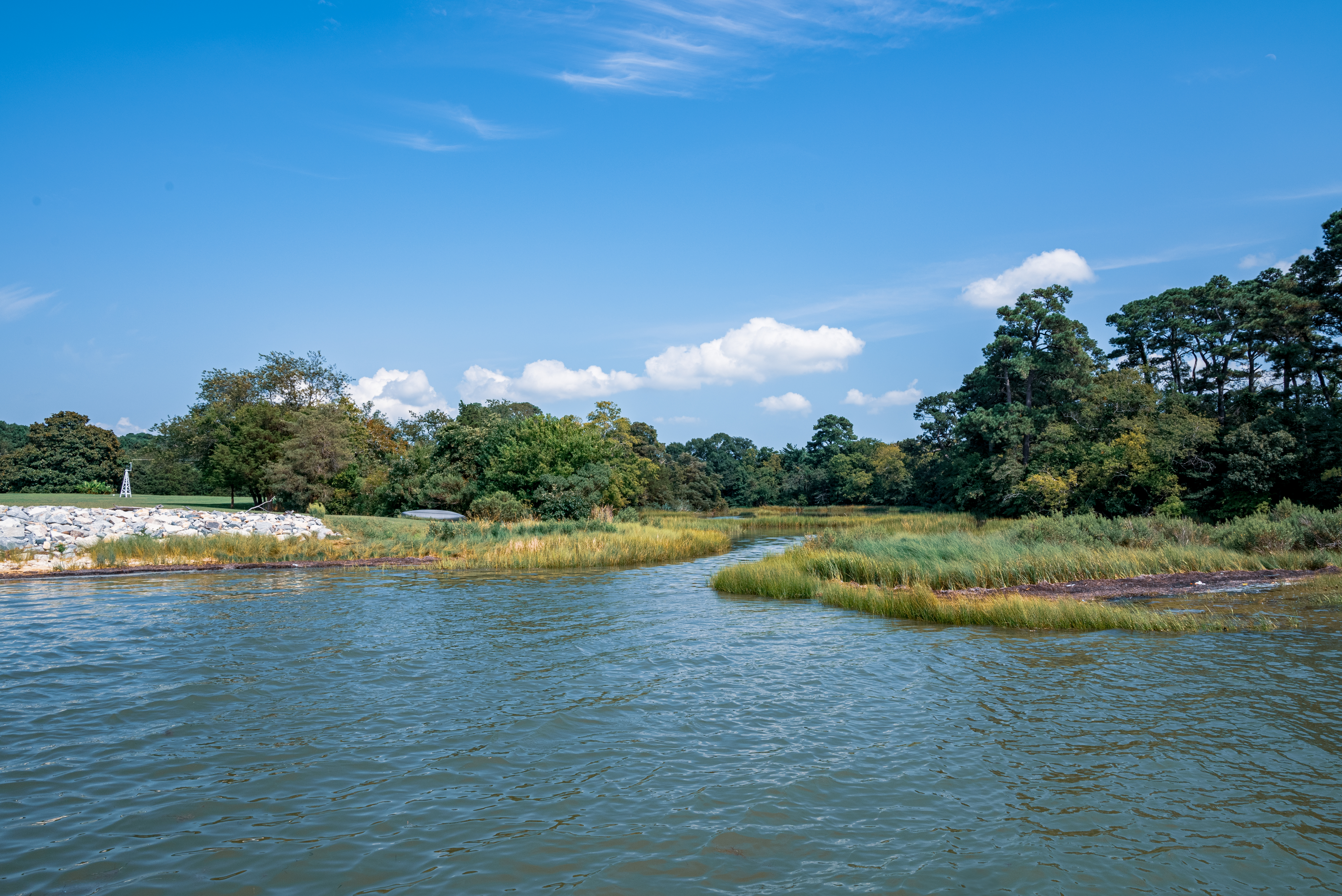
Governor Francis Nicholson chose to fight. His choice affected the colony in profound ways, as our guest for this episode argues in his newest book Colonial Virginia’s War Against Piracy: The Governor and the Buccaneer. Jeremy illustrates a battle that took place between the Virginia Capes, at the inlet of the Lynnhaven Bay.
Nicholson, the oft-beleaguered governor, won the day. His victory helped future governors in their fight against piracy, most famously Alexander Spottswood’s involvement with Blackbeard. It also aided in bolstering rule of law in such a way that later influenced the American War for Independence.
Tune in to this episode to learn more about Nicholson’s fight with Louis Guittar, and then click the links below to purchase Mr. Moss’s books, as well as follow his work.
All photography used on this site is owned and copyrighted by the author unless otherwise noted. The Featured Image is Mr. Moss’s newest book – Colonial Virginia’s War Against Piracy: The Governor and the Buccaneer, from The History Press.
Music used for this episode – Louis Armstrong and the Mills Brothers,”Carry Me Back to Old Virginia” available on Apple Music, and “Sailor’s Waltz” by Josh Garrels, also available on Apple Music.
History is messy. It has many differing viewpoints, some of which infuriate. But one can’t do history properly without looking at differing viewpoints.
Contrary to popular opinion, good history is not unbiased. Every historian has a worldview from which they produce their craft. Good historians state that bias upfront in order for the listener or reader the opportunity to know what they’re consuming up front. The various interviews I’ve conducted on this podcast all show a fairly wide array of bias, and I’m ok with that. I think it reveals a more complete look at messy topics.
With that caveat in mind the historian I interviewed for this episode does not pull from the “3×5 Card of Acceptable Opinion” as Tom Woods calls it. Dr. Samuel Mitcham served in US Army, where he was a helicopter pilot during the Vietnam War. He then graduated from the US Army’s Command and General Staff College. In addition, Dr. Mitcham studied journalism at Northeast Louisiana University, Science at North Carolina State, and earned his Ph.D. in Geography from the University of Tennessee.
Dr. Mitcham embarked upon a 20 year teaching career serving on the faculties of Henderson State, Georgia Southern, and University of Louisiana at Monroe. He also taught as a visiting professor at the United States Military Academy.
In addition to teaching, Dr. Mitcham has written many articles, more than 40 books, and has been consulted by many outlets including The History Channel, CBS, NPR, and The BBC. His earlier historical work centered mostly upon World War Two, with a special emphasis on the Nazis, which is best illustrated in his books Rommel’s Desert War, Why Hitler?, and The Genesis of the Third Reich among many others.
Dr. Mitcham then turned his attention to what is most widely known as the American Civil War, though that is not a term Dr. Mitcham personally uses. Arguably, his most well-known work from the genre is It Wasn’t About Slavery: Exposing the Great Lie of the Civil War, though he’s covered more Confederate history, notably his newest book – The Encyclopedia of Confederate Generals. This podcast episode focuses upon this newest volume, though we do touch upon a few thoughts from his previous work.
Perhaps the listener might not agree with Dr. Mitcham’s positions, but I encourage everyone to grapple with his ideas. Doing so will offer another viewpoint that might more fully illustrate how “The War” is discussed in contemporary America.
All photography used on this site is owned and copyrighted by the author unless otherwise noted. The Featured Image is Dr. Mitcham’s newest book – The Encyclopedia of Confederate Generals from Regnery Publishing.
Researching Virginia’s First Families can be an adventure. For anyone studying the Wormeleys this is certainly true. Their connections extend far back into World History, linking them to many of Medieval and Early Modern names and places.
Eventually a branch of the Wormeleys from Hatfield, Yorkshire extended into the Caribbean and then northward to Virginia, where they first settled along the York River at a creek bearing their name today – Wormeley Creek.
Their formerly important status came with them, in custom at least, when they established early plantations, most notably Rosegill along Urbanna Creek on what Virginian’s call the Middle Peninsula. From there, the Wormeley name is found deeply embedded into Virginia’s rich history.
Though they rose to prominence with celerity, their demise came even more rapidly. The Wormeley’s found themselves on the losing side of the American War for Independence, and suffered for it.
Another Wormley line appeared as the main line faded. This one claims to have potentially descended from the Wormeley’s, but conclusive proof has been elusive. Regardless, the Wormley‘s, most likely former Wormeley slaves, were very influential after the American Civil War in establishing schools for black children. They also ran an important D.C. Hotel that was used to broker the Compromise of 1877, allowing Rutheford B. Hayes to become President.
Today’s Wormeleys are all over the world, but they can be confident in that their imprint is firmly stamped upon not only Virginia’s history, but also England’s and much of the world as well. For that, the Wormeley’s are an intriguing study, and should not be forgotten.
LINKS TO THE PODCAST:
SOURCES:
Billings, Warren M.; Selby, John E.; and Tate, Thad W. Colonial Virginia: A History. White Plains, NY: KTO Press. 1986.
All photography used on this site is owned and copyrighted by the author unless otherwise noted. The Featured Image is of the Wormeley Family Crest.
Music used for this episode – Louis Armstrong and the Mills Brothers,”Carry Me Back to Old Virginia” available on Apple Music, and “Shadow of a Man” by Neulore, also available on Apple Music.
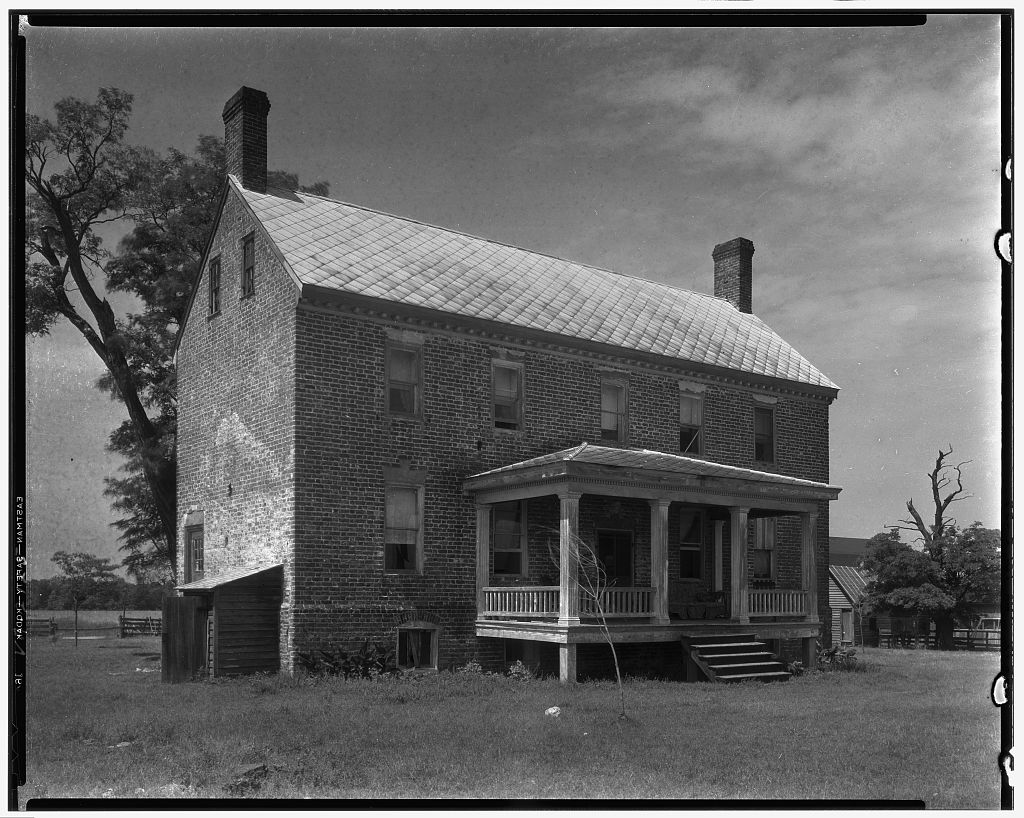
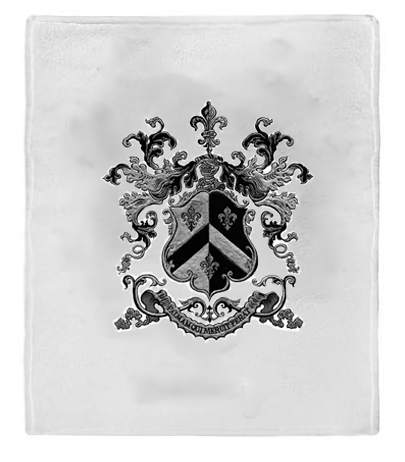
Perhaps the Armisteads, pronounced “Ahmi-steyud” by colonial Virginians, are not the most important First Family of Virginia, but their impact is without question. They feature in most First Family genealogies, including two presidential lines the Tylers and Harrisons. They also have ties to other important figures such as Robert E. Lee and Robert “King” Carter to name a few.
Beyond family connections, the Armisteads were involved in settling along early Hampton and Norfolk as well as the Middle Peninsula, where the main family branch settled. Soon thereafter, the Armisteads were involved in not only Virginia, but also Maryland, and then North Carolina, before they started to spread south and westward into the evolving United States.
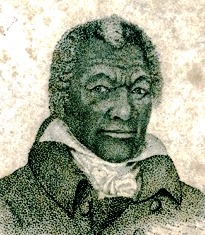
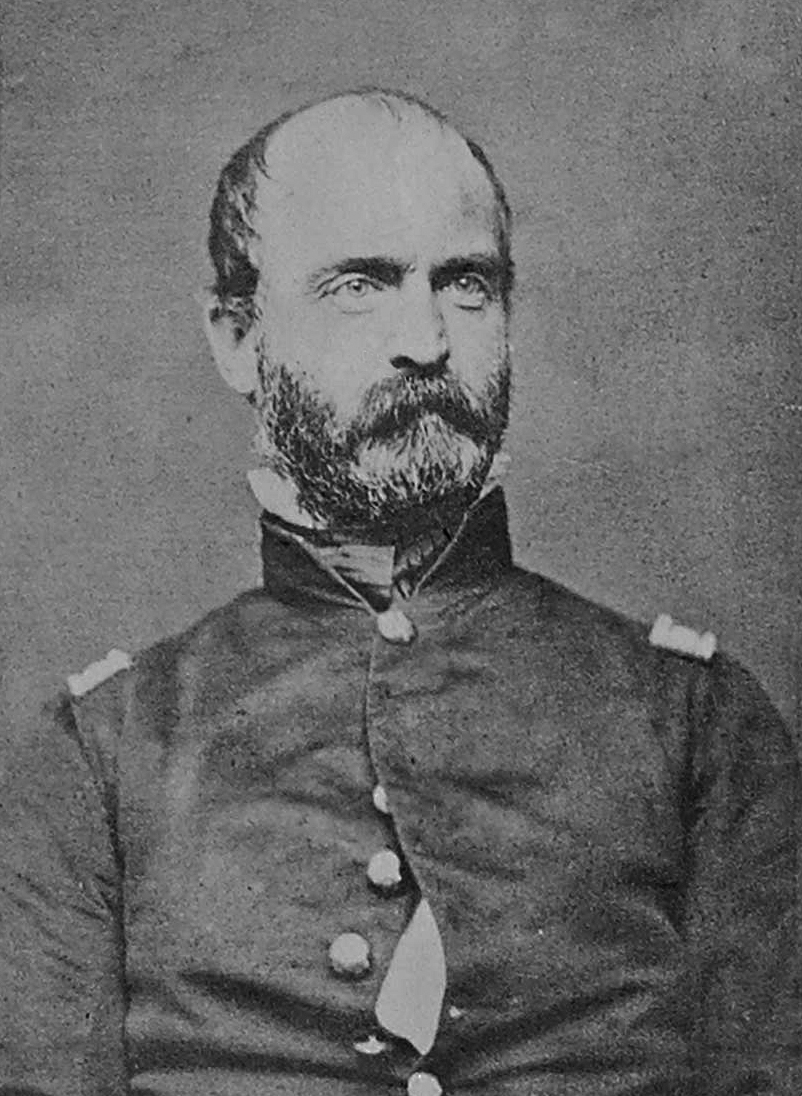
Along the journey, Armisteads featured in all of early America’s Wars from Independence to 1812, Mexico, and the Civil War to name a few. The most notable figures from those conflicts were William and his slave James, George, and Lewis Armistead respectively.
The Armisteads did more than fight America’s wars; however, they helped unite leading families, and build a Commonwealth as well as a newly formed Country. For that, their inclusion in the First Family list is undeniable.
Music used for the first episode – Louis Armstrong and the Mills Brothers,”Carry Me Back to Old Virginia” available on Apple Music, and “The Crossing” performed by The East Pointers, also available on Apple Music.
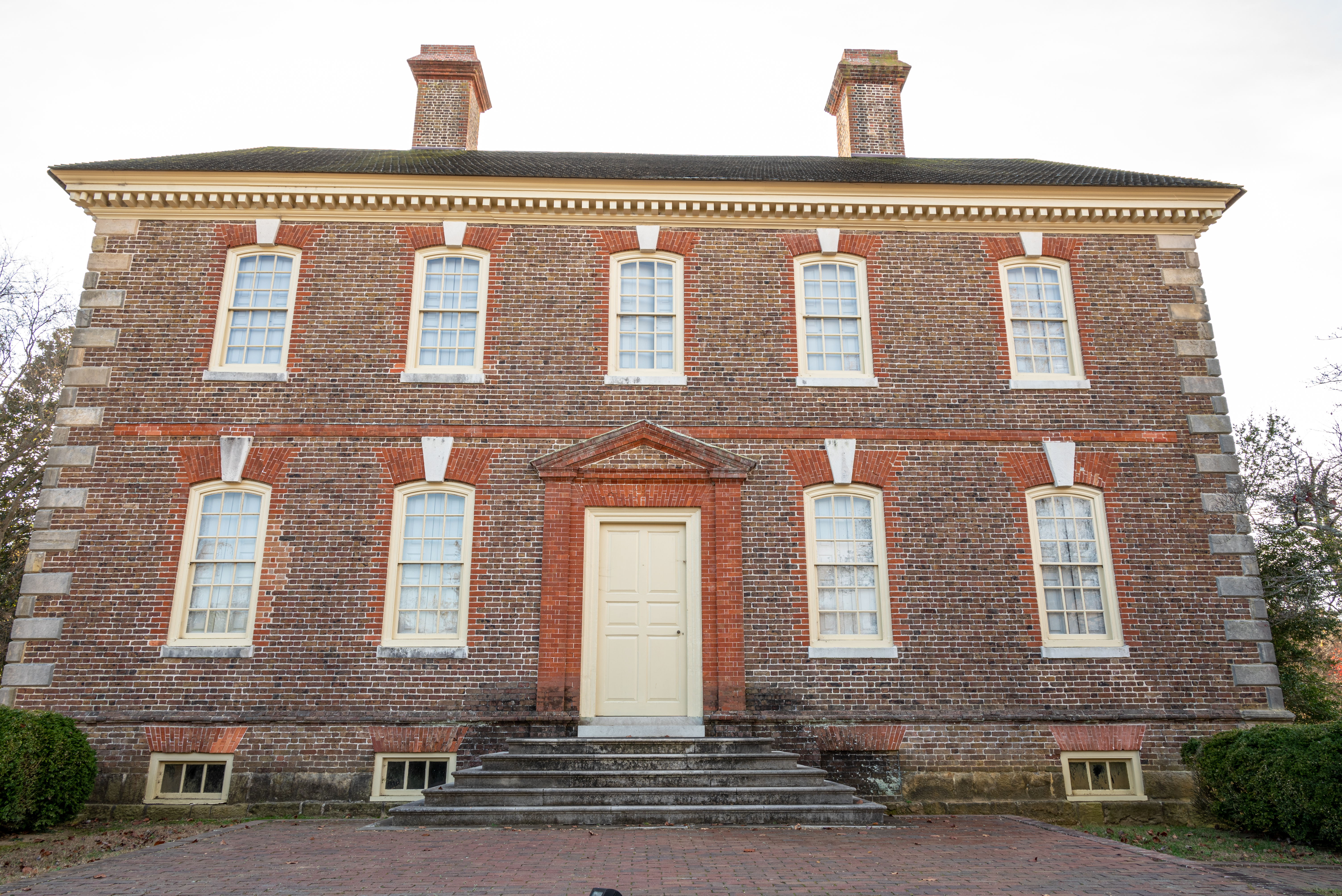
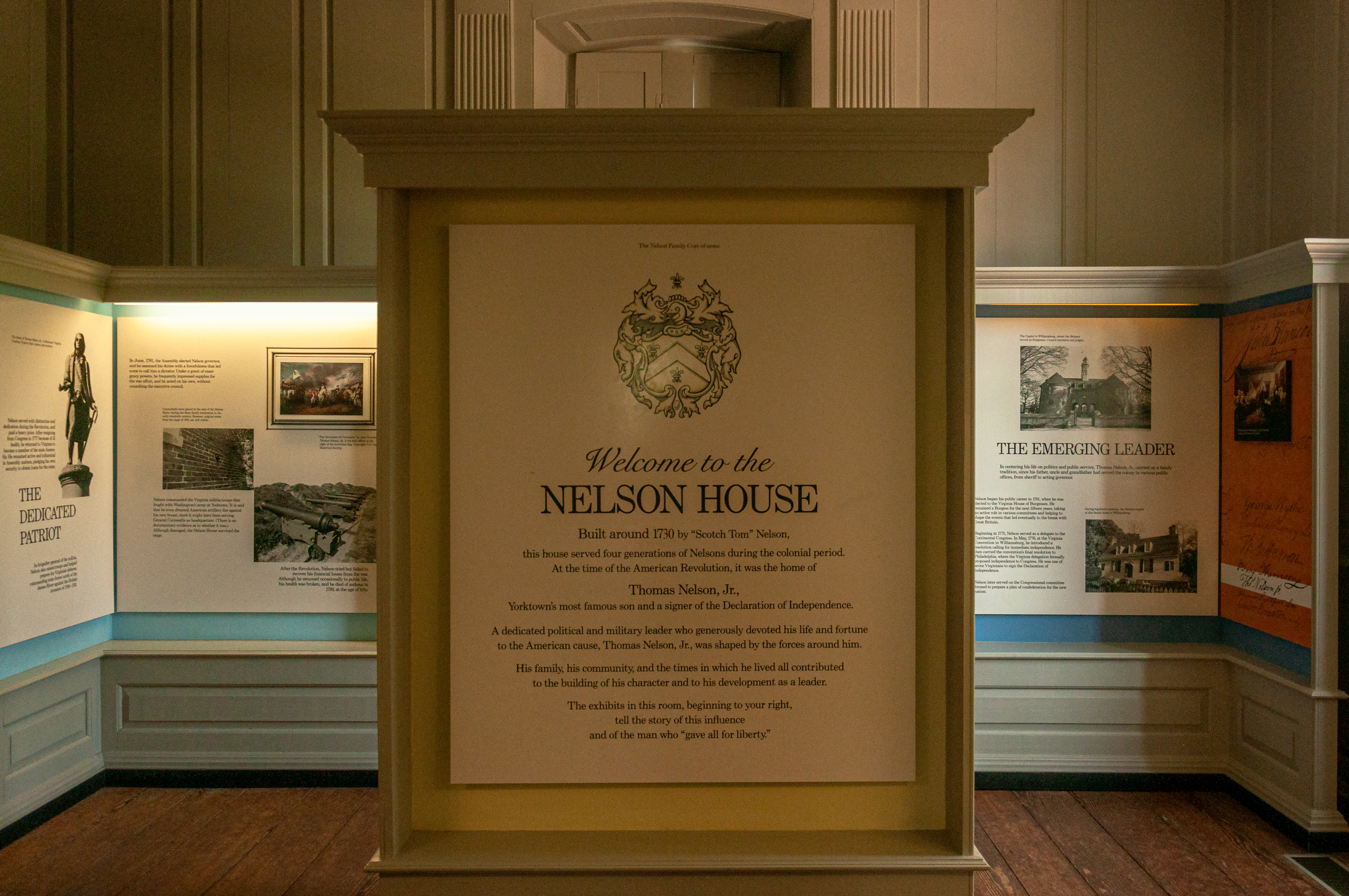
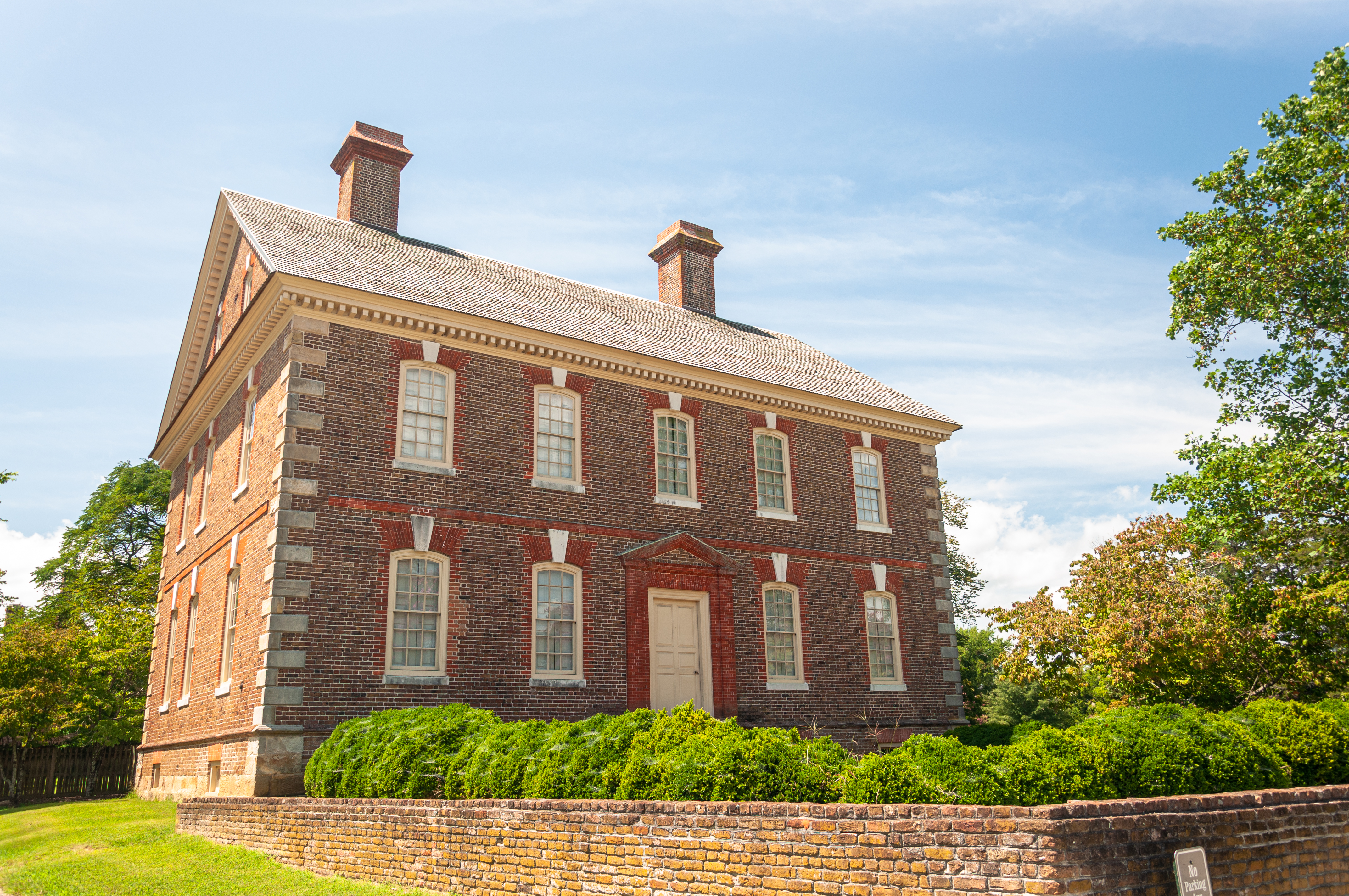
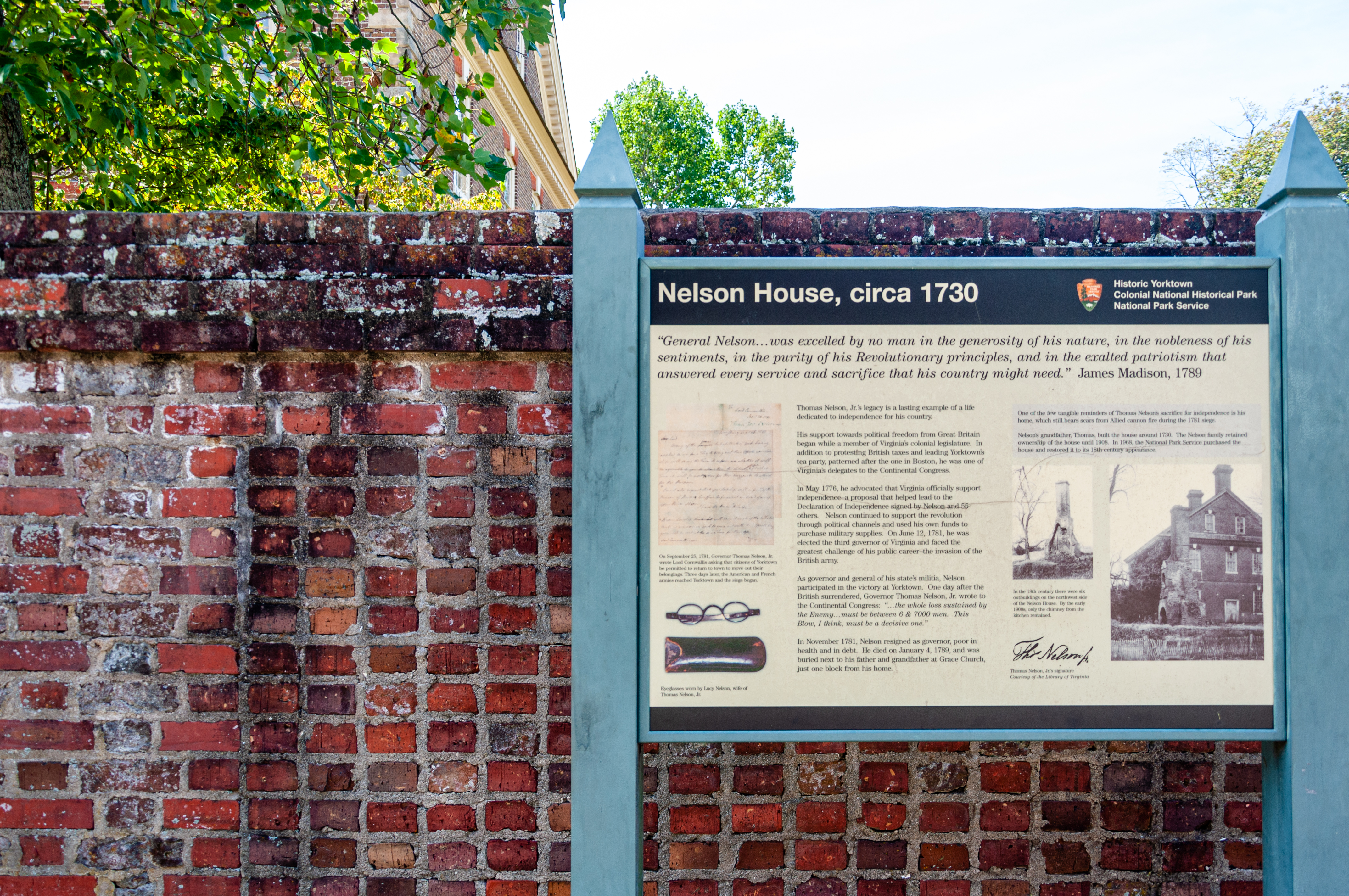
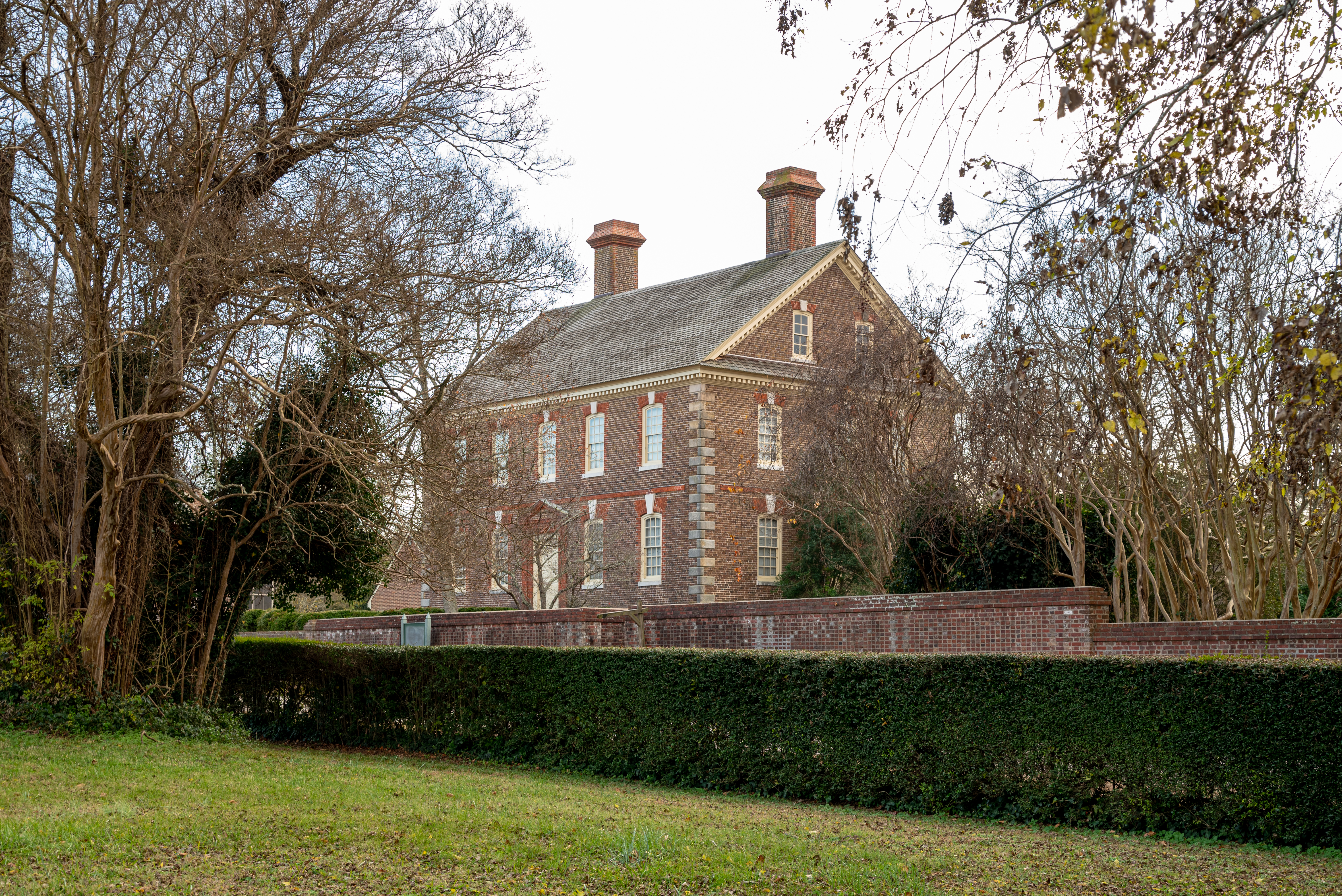
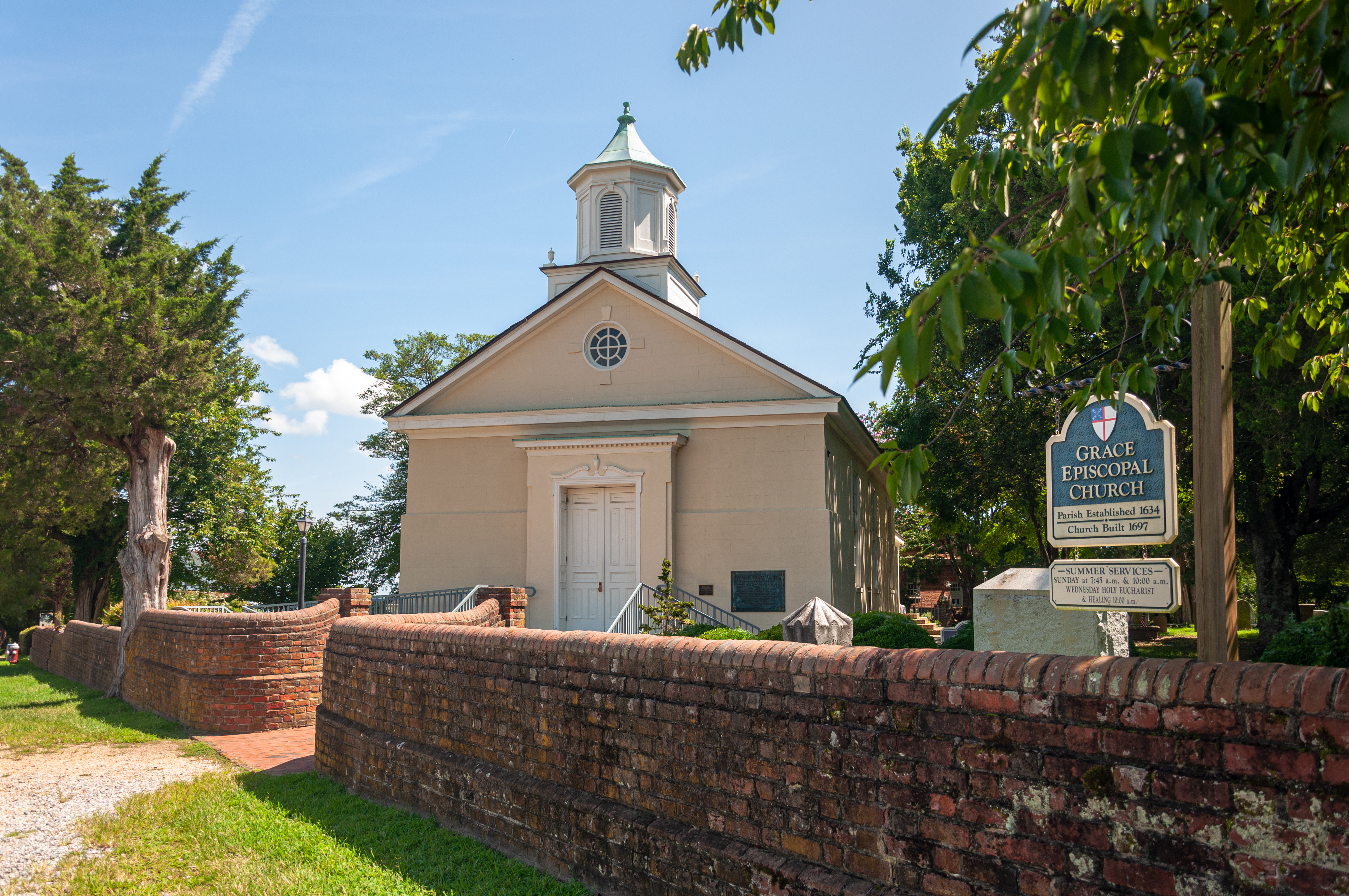
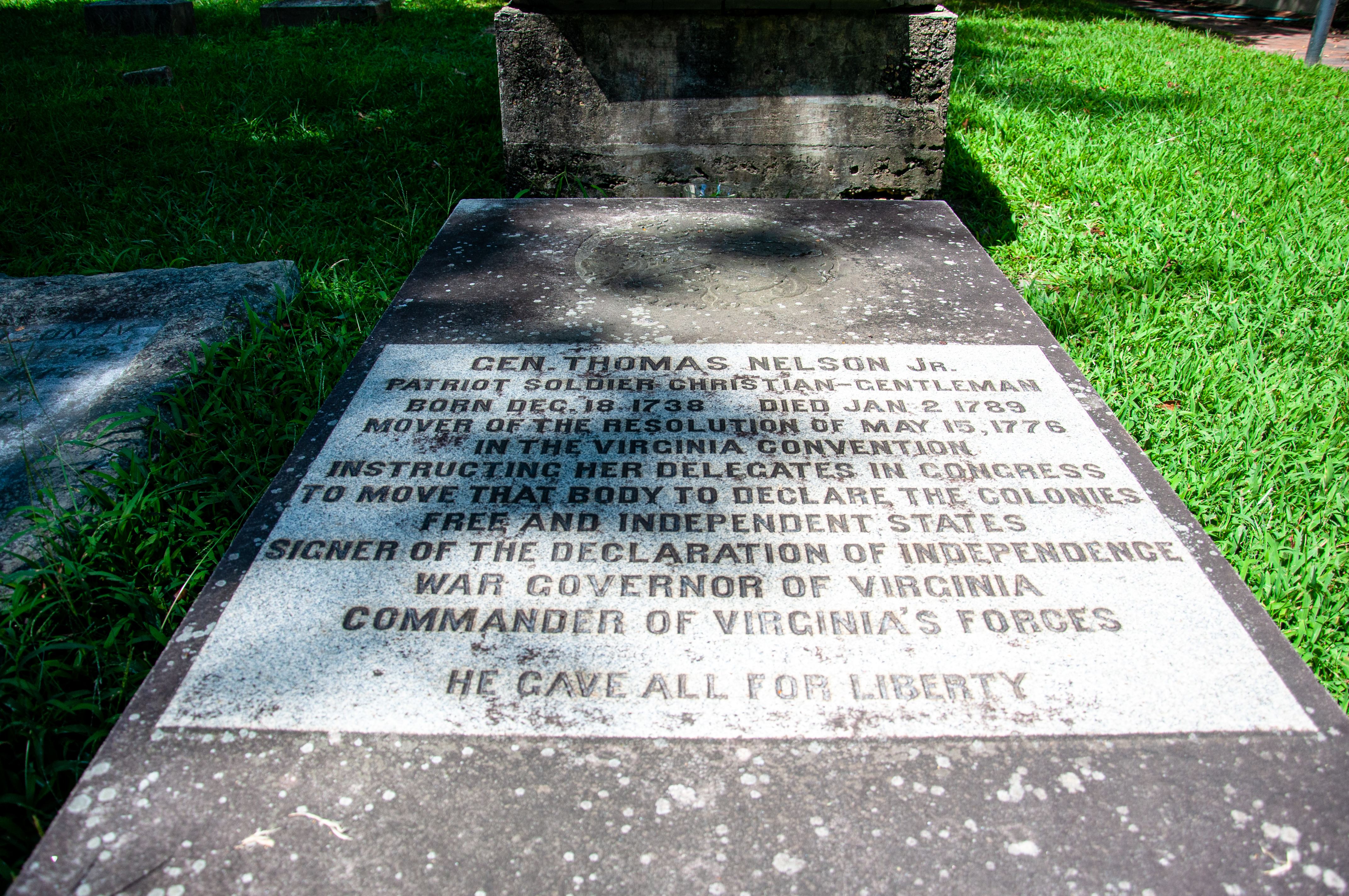
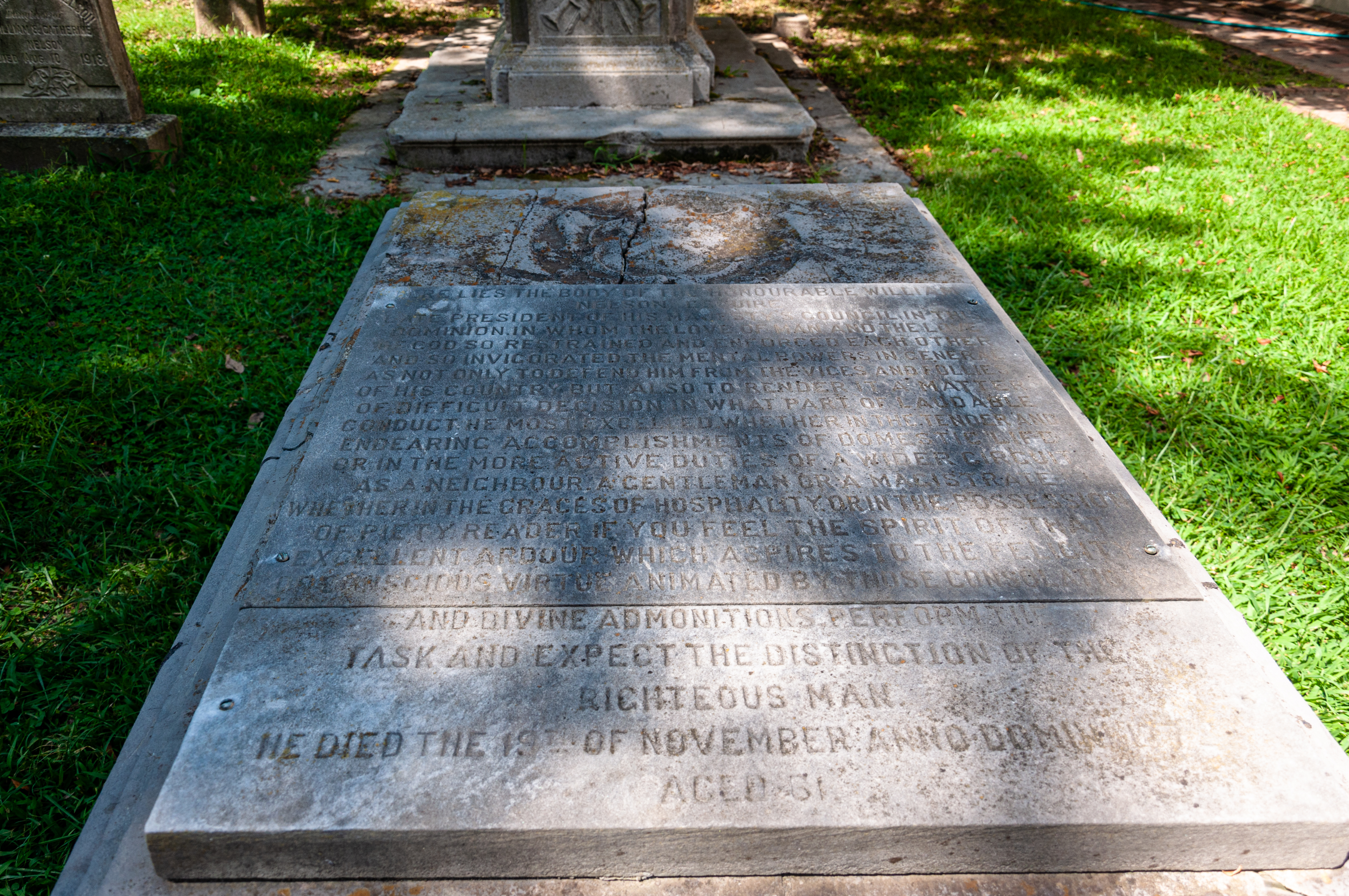
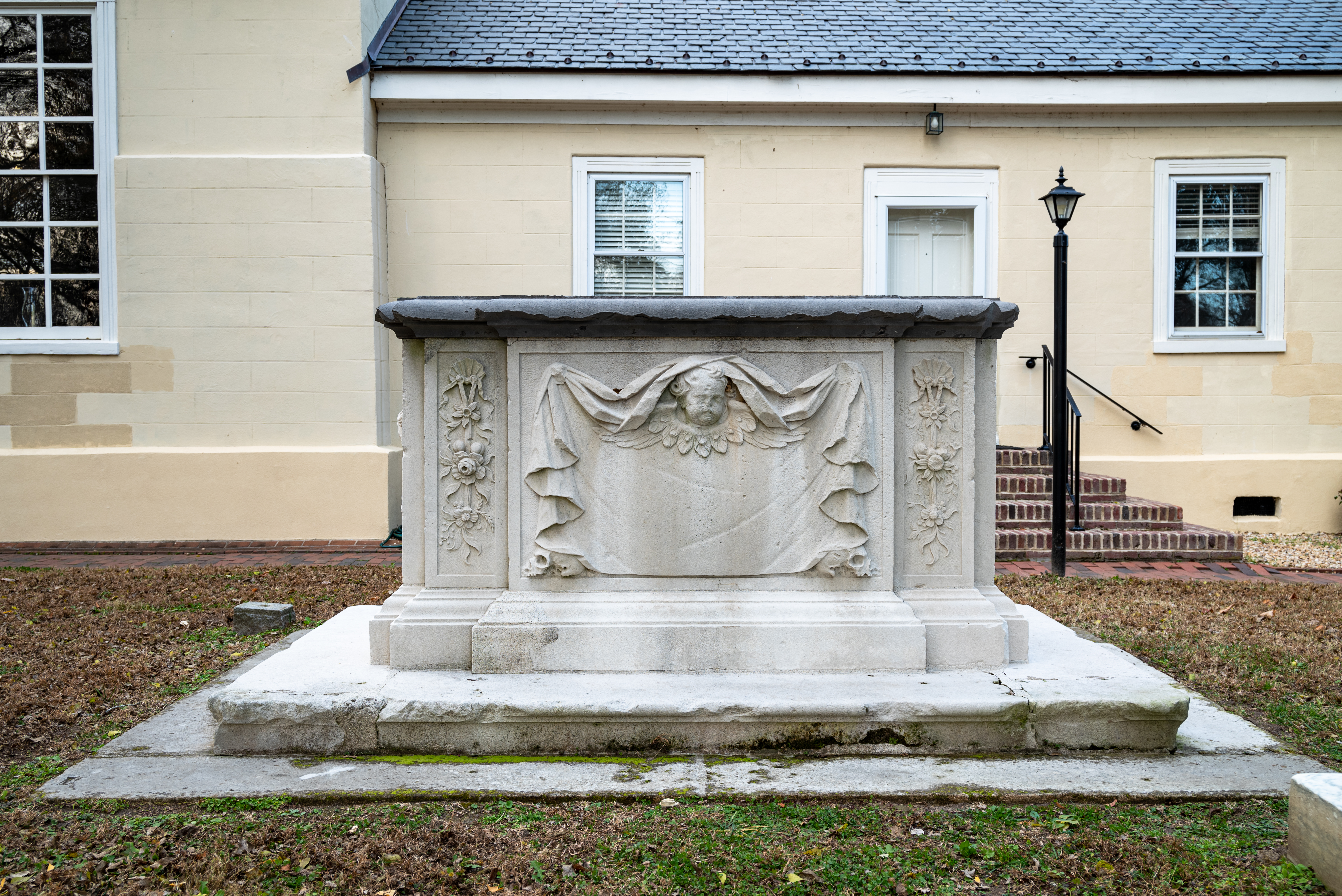
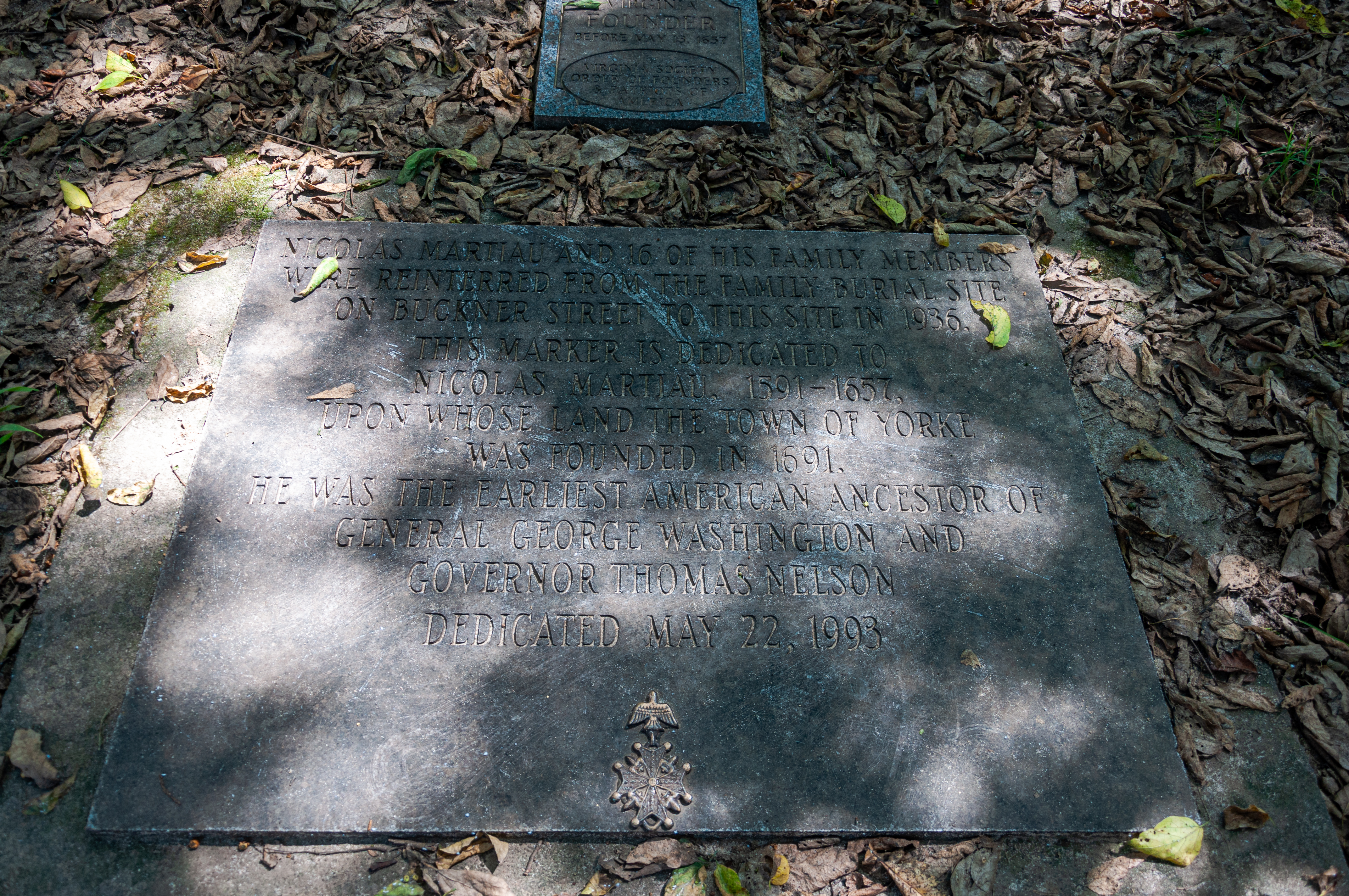
It’s hard to think about Yorktown, VA without the Nelson family. In fact, one could say it another way – It’s hard to think about the Nelson family without Yorktown. They were so instrumental in creating the once prominent port city that they’ve often been called the city’s founders. Whether they were or not is debatable, but what is not debatable is that Yorktown as we know it would not have existed.
“Scotch Tom” emigrated to Virginia in the early 18th Century, began many businesses, and established a solid foundation for his descendants in the process.
Those descendants became major figures that shaped Virginia and then the United State’s History. Undoubtedly that history would be quite different had this important family not existed, which is why the Nelson’s must be discussed.
LINKS TO THE PODCAST:
SOURCES:
Billings, Warren M.; Selby, John E.; and Tate, Thad W. Colonial Virginia: A History. White Plains, NY: KTO Press. 1986.
Evans, Emory G., The Nelsons: A biographical Study of a Virginia Family in the Eighteenth Century. Ann Arbor, Michigan: UMI Dissertation Services. (A Dissertation Presented to the Graduate Faculty of the University of Virginia in Candidacy for the Degree of Doctor of Philosophy by Emory G. Evans, B.A., M.A., Corcoran Department of History, University of Virginia, 1957.
All photography used on this site is owned and copyrighted by the author unless otherwise noted. The Featured Image is of the Nelson Family Crest.
Music used for the first episode – Louis Armstrong and the Mills Brothers,”Carry Me Back to Old Virginia” available on Apple Music, and “Meridians” performed by The National Parks.
The Parke Family may not have endured as the others on the First Family list, but their impact, mostly negative due to Daniel Parke, Jr, is undeniable. They burst onto the scene in both England and Virginia relatively quickly. Within a few generations, all that remained of them was their name, which was curiously demanded to be added to any who wanted to inherit Parke wealth.
The Parkes helped build Yorktown and Williamsburg. In the process, they found themselves at the heart of a thriving colonial community. It was a community that the last Parke male heir wanted to govern, but he couldn’t govern himself. In the end, the family that had intermarried with Ludwells, Byrds, and Custises saw their inheritance pass into those and other leading families of their day.
“Virginia Gleanings in England.” The Virginia Magazine of History and Biography, vol. 20, no. 4, Virginia Historical Society, 1912, pp. 372–81, http://www.jstor.org/stable/4243226.
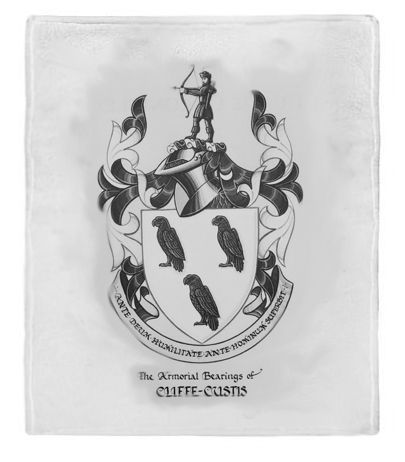
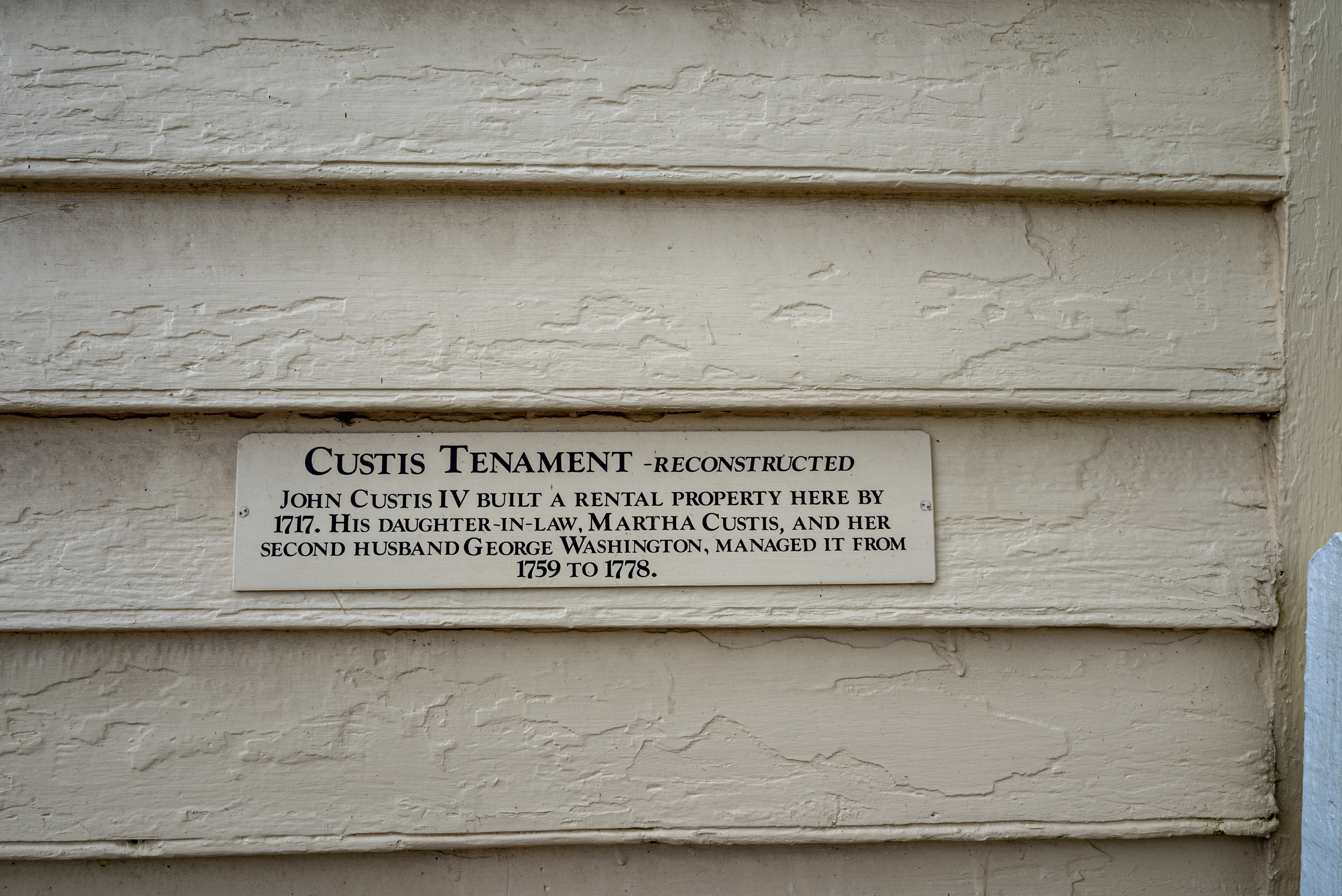
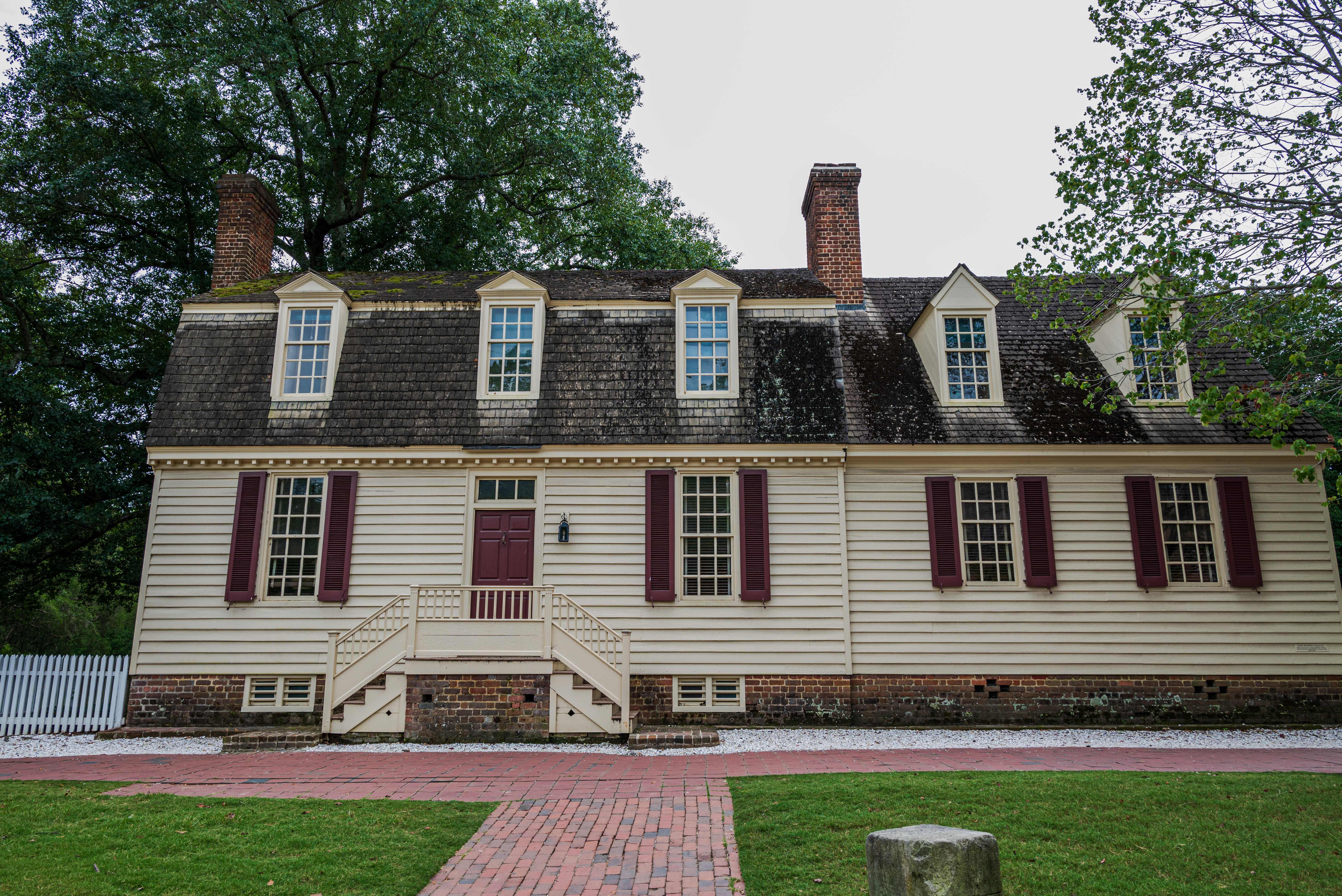
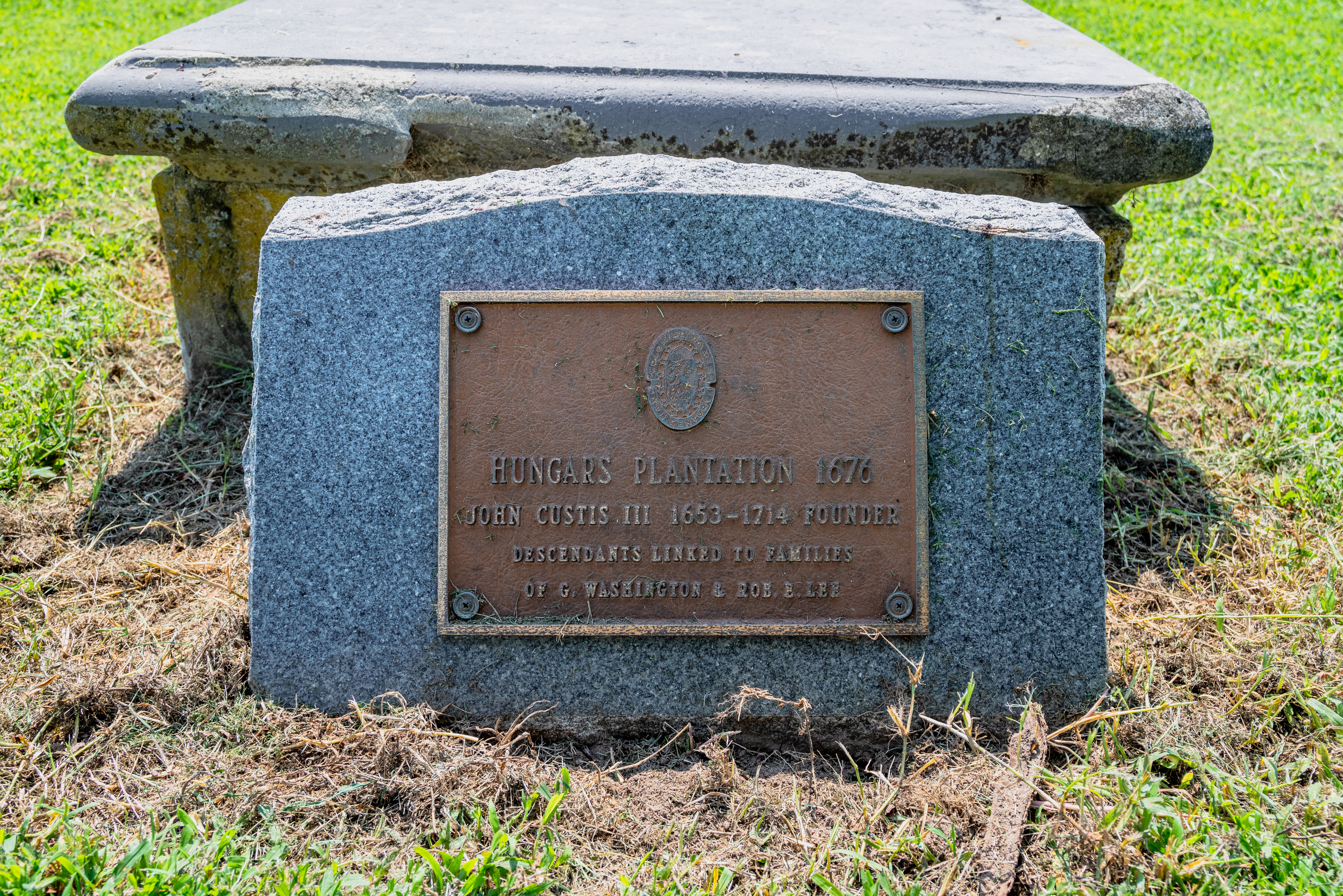
All families on the First Families list were involved across the world in one way or another, but arguably no one was more involved than the Custises.
Their family history is relatively short, but from their rather humble beginnings as Cliffes in England, they grew into important figures. The Cliffe name morphed into Custis, and then the Custis name spread to Ireland, Belgium, The Netherlands, the Caribbean, and Virginia.
Along the way, they mingled with royalty and aided some of history’s most famous people. Then, they became important and famous themselves. The main Virginia Custis line may have ended in the 1850s, but their accomplishments and landmarks endure, from the somewhat obscure Custis tombs to the hallowed Arlington National Cemetery. Indeed, without them, there wouldn’t be an Arlington.
In this pair of episodes, we take a look at the Custis family beginnings, and detail how they became the great family who played an important part in so much of Virginia’s history.
LINKS TO THE PODCAST:
Custis Episode Part 1Custis Episode Part 2
SOURCES:
Billings, Warren M.; Selby, John E.; and Tate, Thad W. Colonial Virginia: A History. White Plains, NY: KTO Press. 1986.
Jackson, Cordelia. “Tudor Place.” Records of the Columbia Historical Society, Washington, D.C., vol. 25, Historical Society of Washington, D.C., 1923, pp. 68–86, http://www.jstor.org/stable/40067401.
Jo Zuppan. “John Custis of Williamsburg, 1678-1749.” The Virginia Magazine of History and Biography, vol. 90, no. 2, Virginia Historical Society, 1982, pp. 177–97, http://www.jstor.org/stable/4248543.
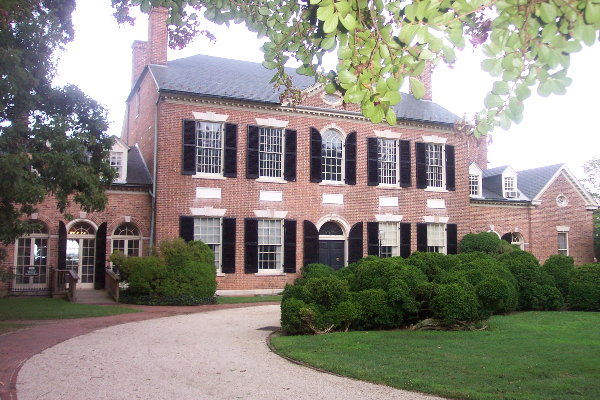
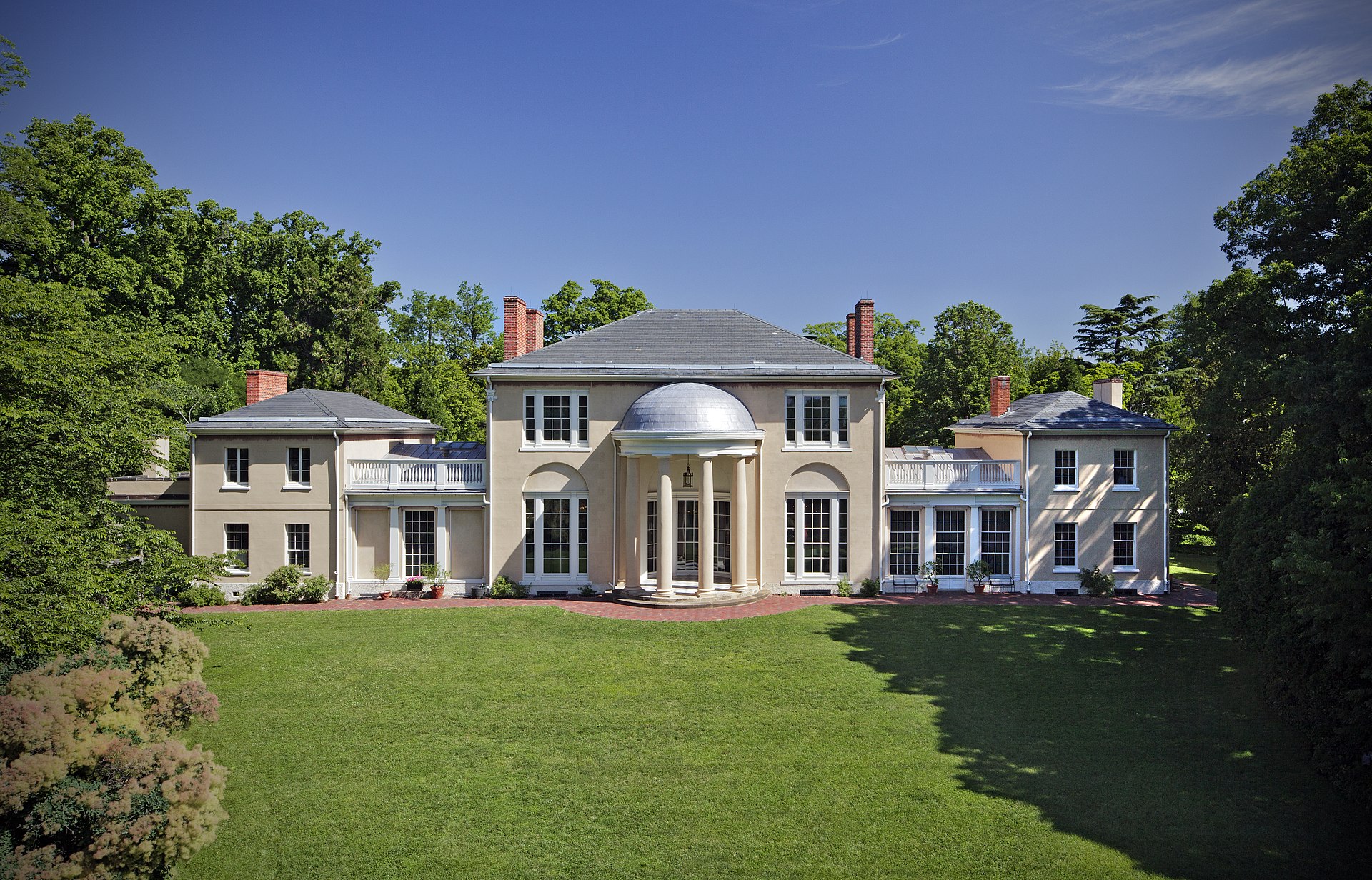
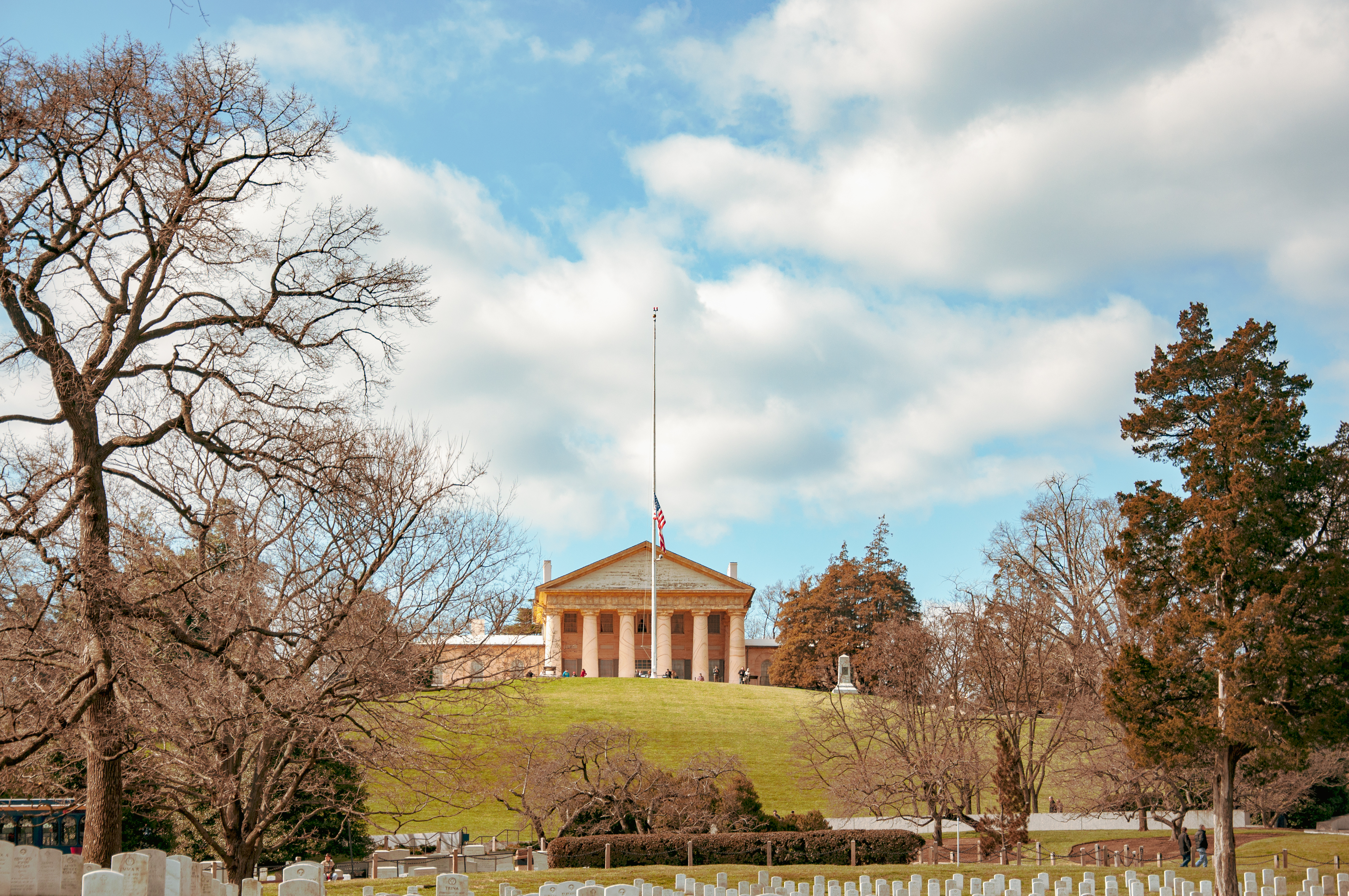
All photography used on this site is owned and copyrighted by the author unless otherwise noted. The Featured Image is of the Custis Family Crest. Woodlawn and the Tudor Place are both from Wikipedia. The Arlington Mansion sketch is from Northampton County.
Music used for the first episode – Louis Armstrong and the Mills Brothers,”Carry Me Back to Old Virginia” available on Apple Music, and “Waiting for Lightning” by The National Parks also available on Apple Music.
Music used for the second episode – Louis Armstrong and the Mills Brothers,”Carry Me Back to Old Virginia” available on Apple Music, and “Stubborn Love” by The Lumineers also available on Apple Music.
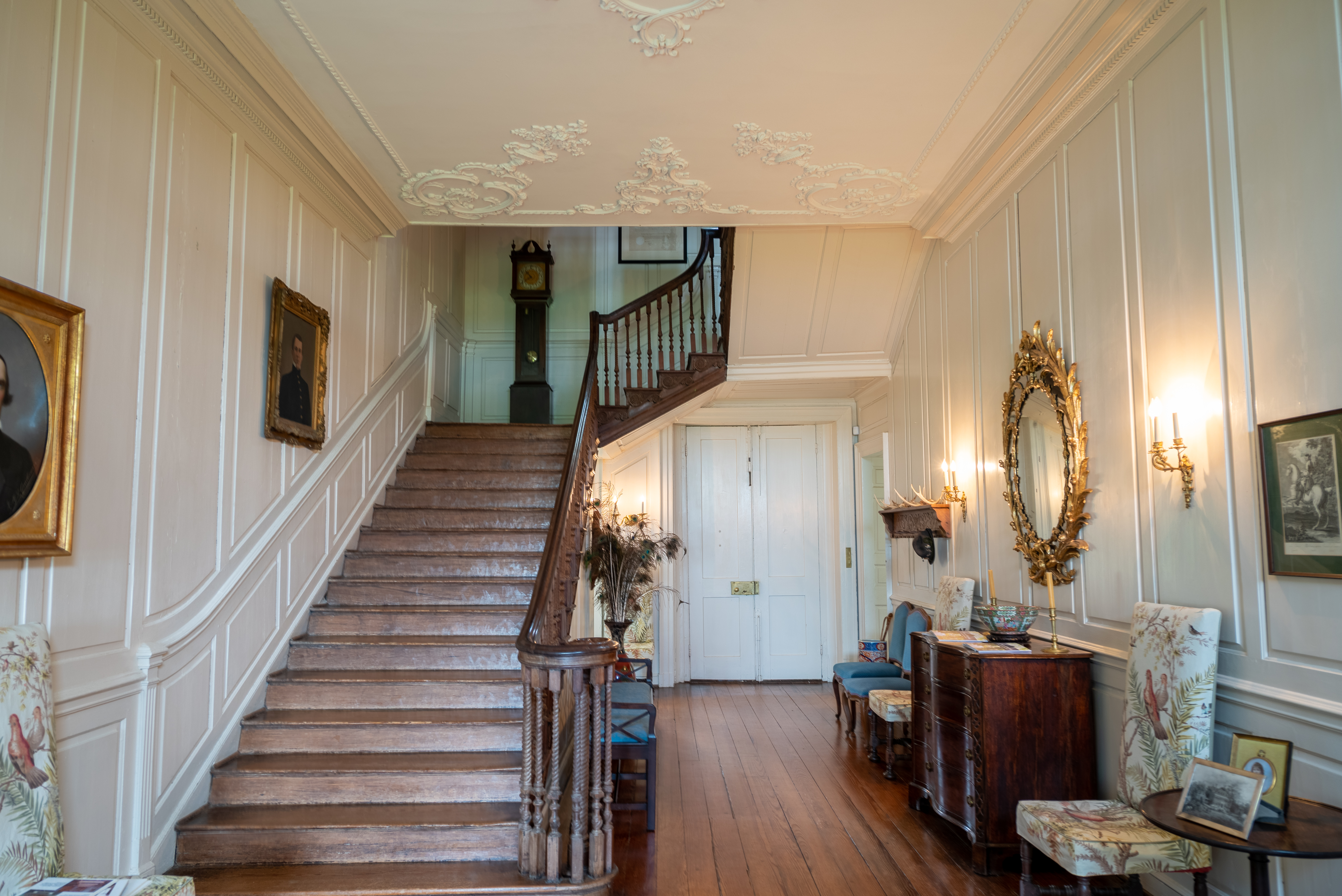
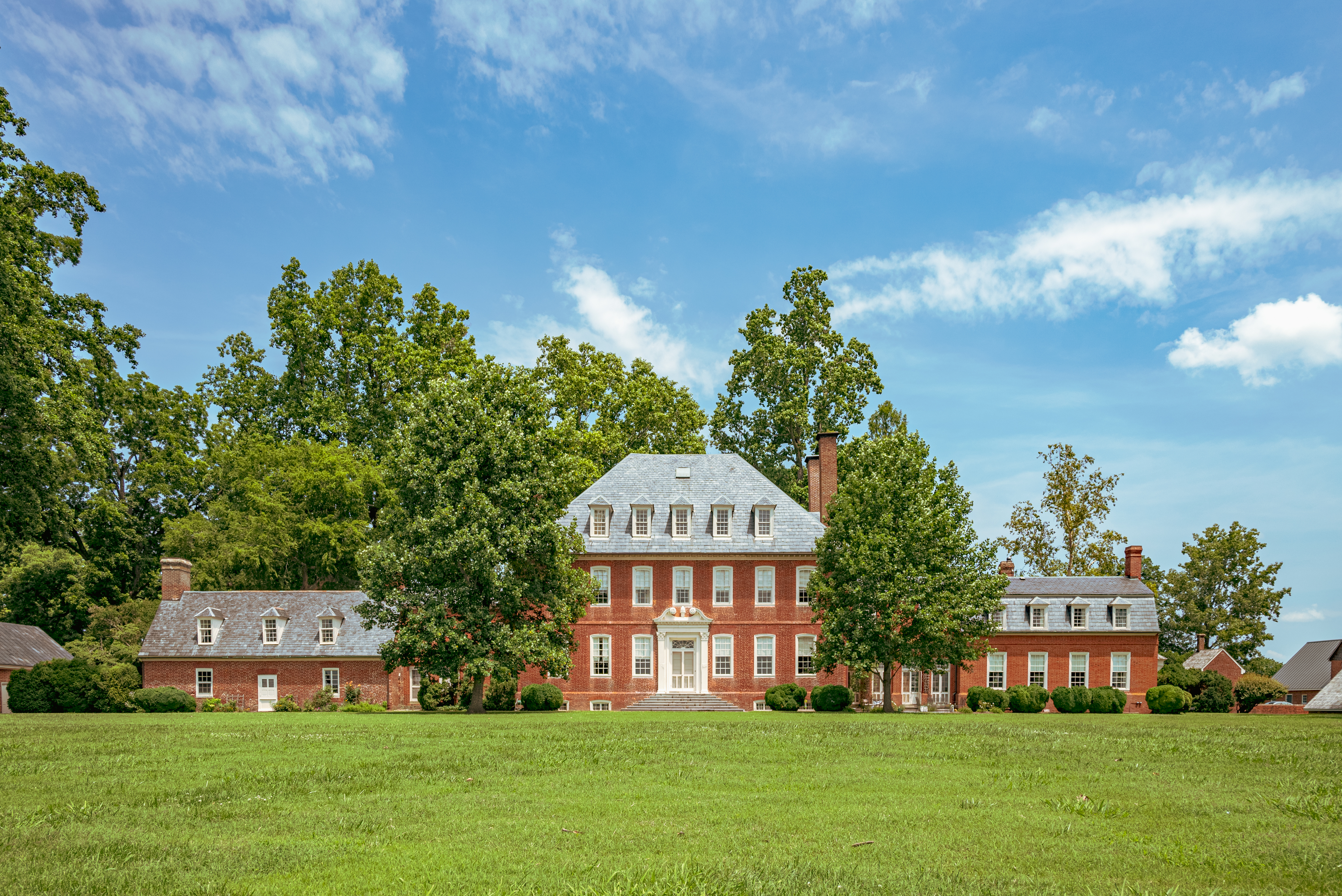
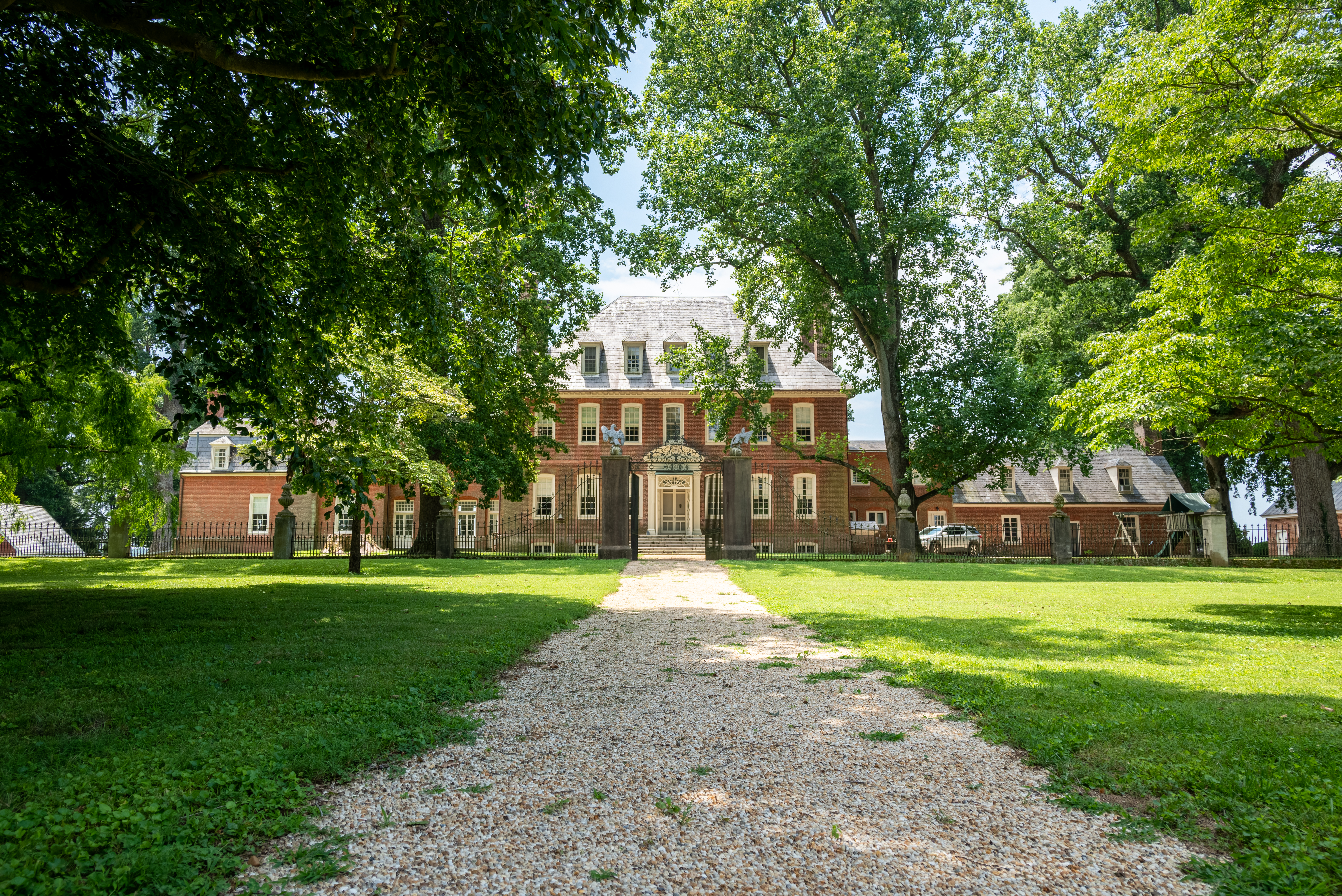
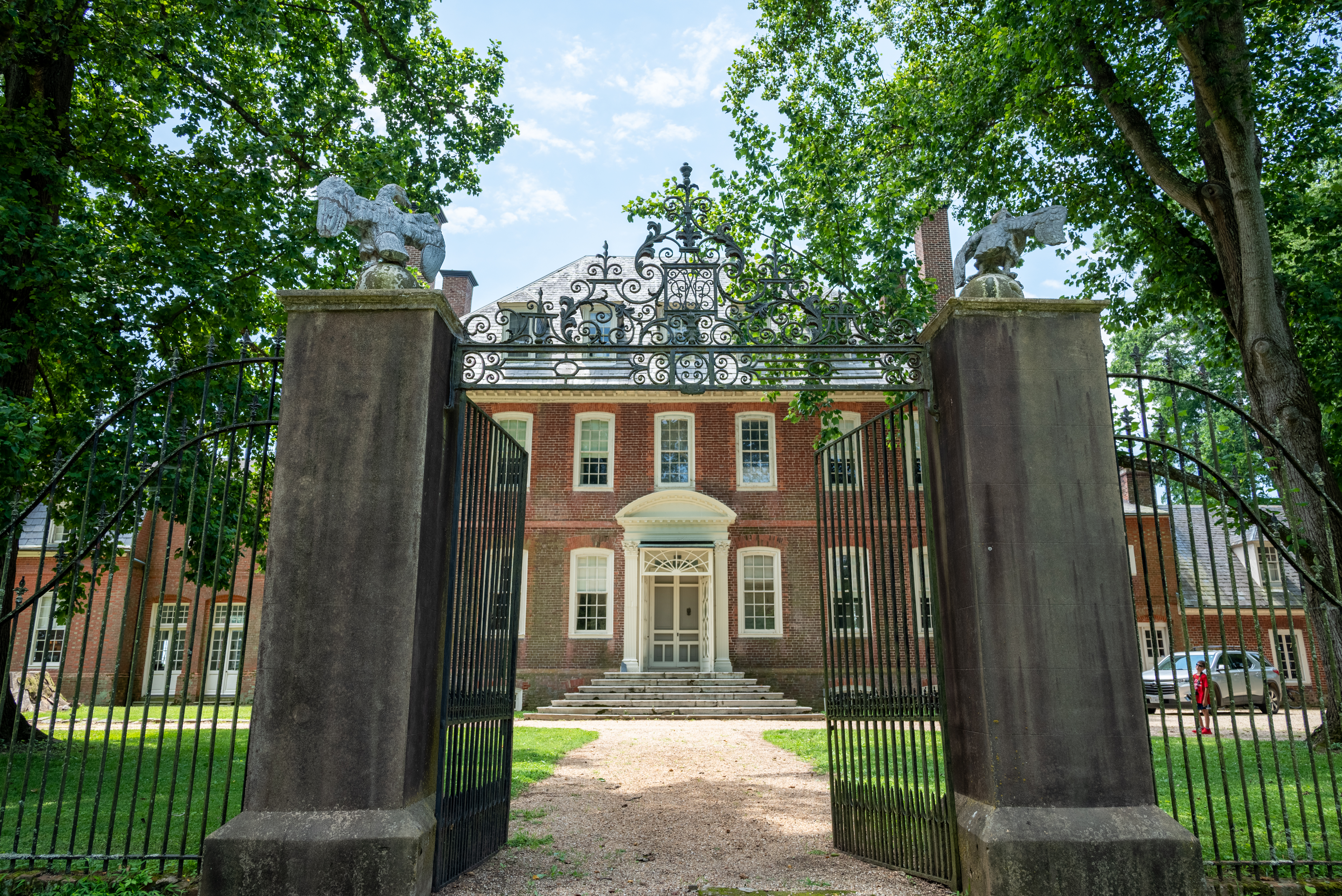
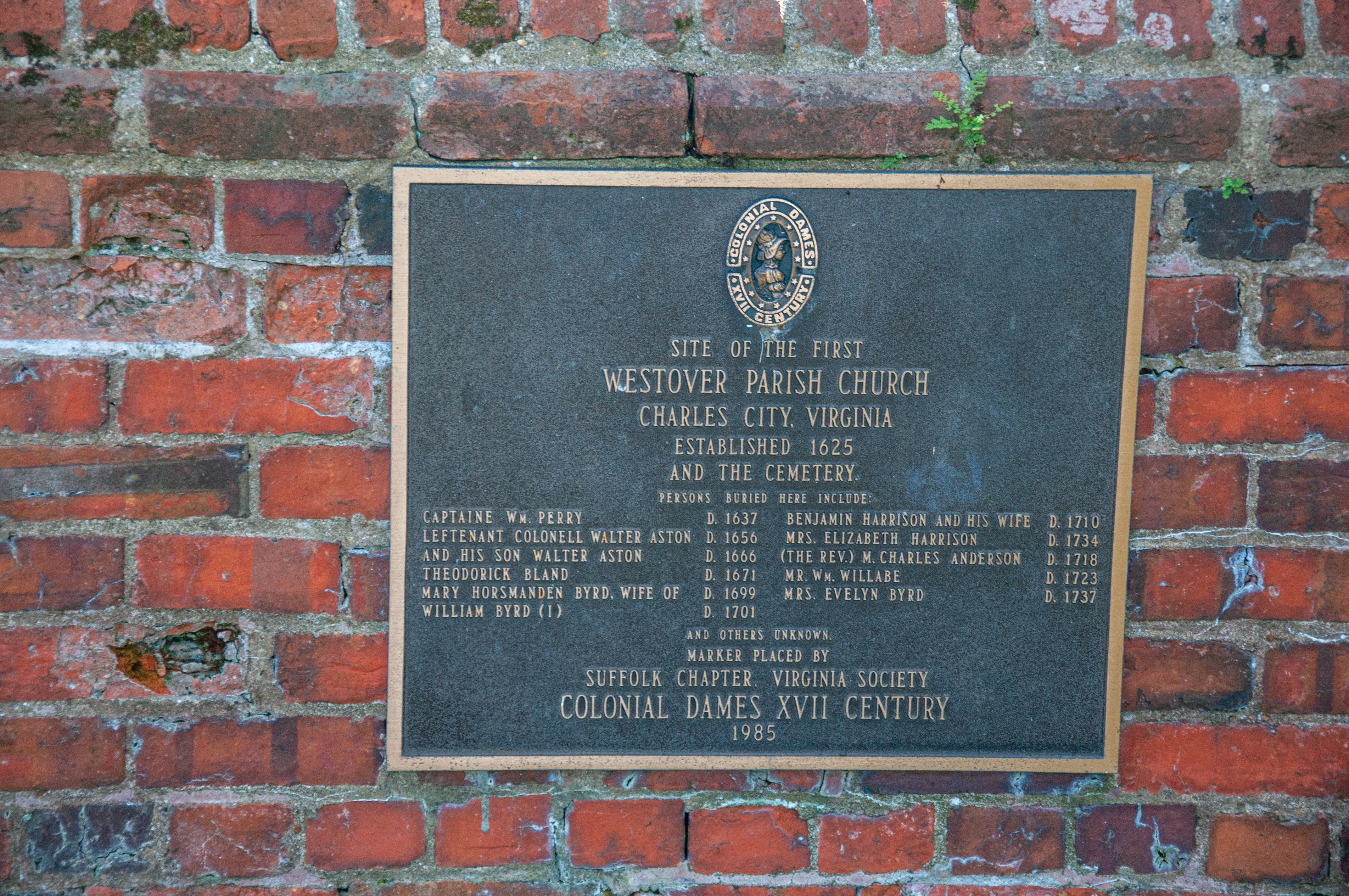
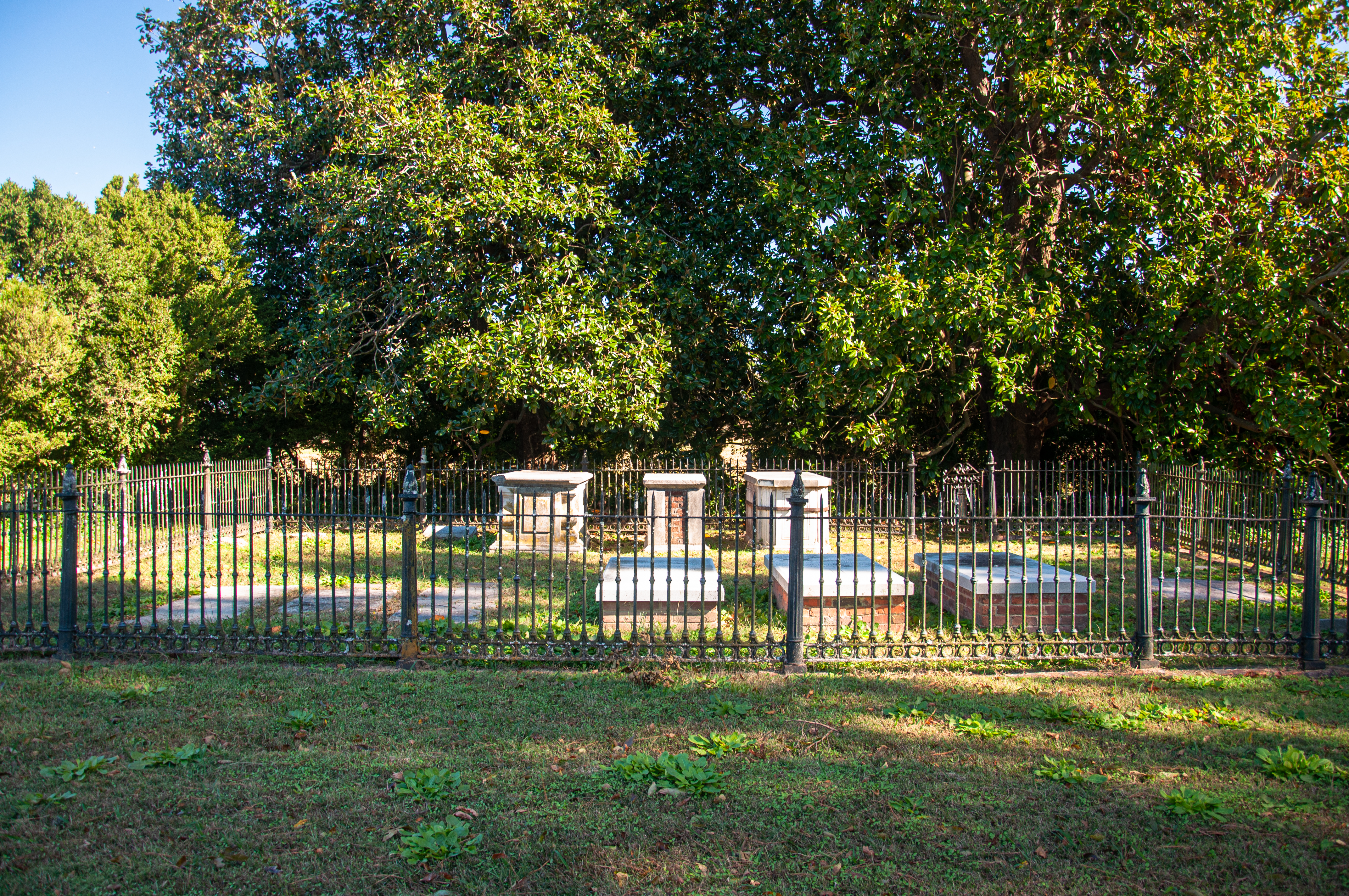
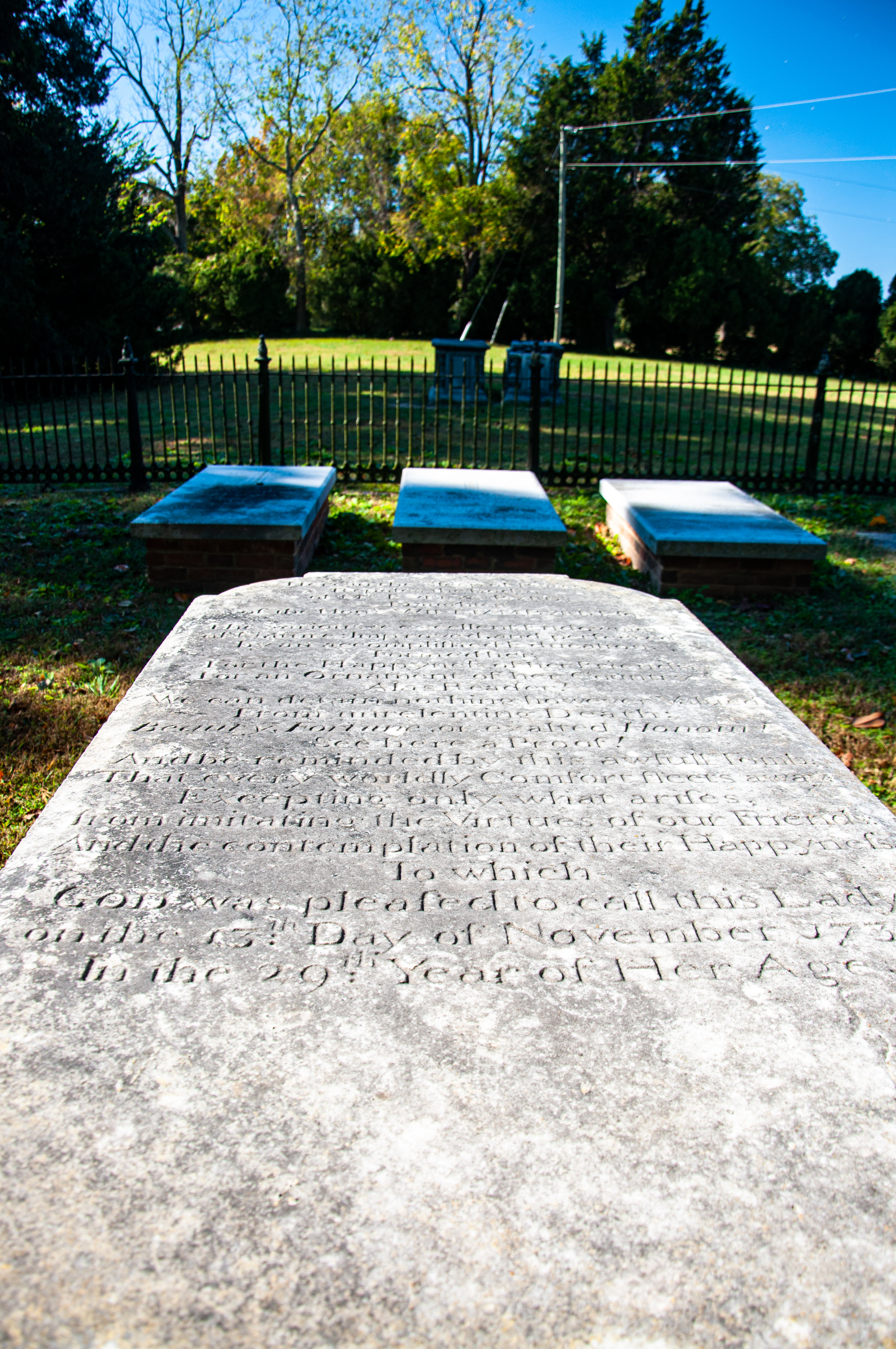
Westover is one of the great James River Plantation manor homes. After the Byrd family purchased the land, they undertook the spectacular monument meant to reflect their prestigious colonial position. The Byrd’s left their mark all over the land, from William Byrd II’s grave to powerful eagles adorning the carriage entrance gates. A nearby graveyard once attached to Westover Parish also contains Byrd family remains.
Beyond the tangible reminders, however, the Byrd’s left a much more ethereal, paranormal reminder behind. William Byrd II’s daughter Evelyn Byrd, the colonial beauty, who, according to tradition, caught King George I’s attention, causing him to comment about all of the beautiful birds in his Virginia colony, fell in love during her English visit. Her love choice, however, was not met with William’s pleasure. He demanded their separation, which sent Evelyn into despair.
Upon the Byrds’ return to Virginia, William became more detached and Evelyn fell into melancholy. She never married. She did cultivate at least one close friendship and that was with neighbor Anne Harrison. The pair made a pact stating that whoever died first would visit the other who remained alive.
That pact was put to the test just before Evelyn’s 30th birthday, she caught smallpox and died soon thereafter. Evelyn honored her agreement, and ever since that first meeting between ghost and living, Evelyn has been witnessed by many.
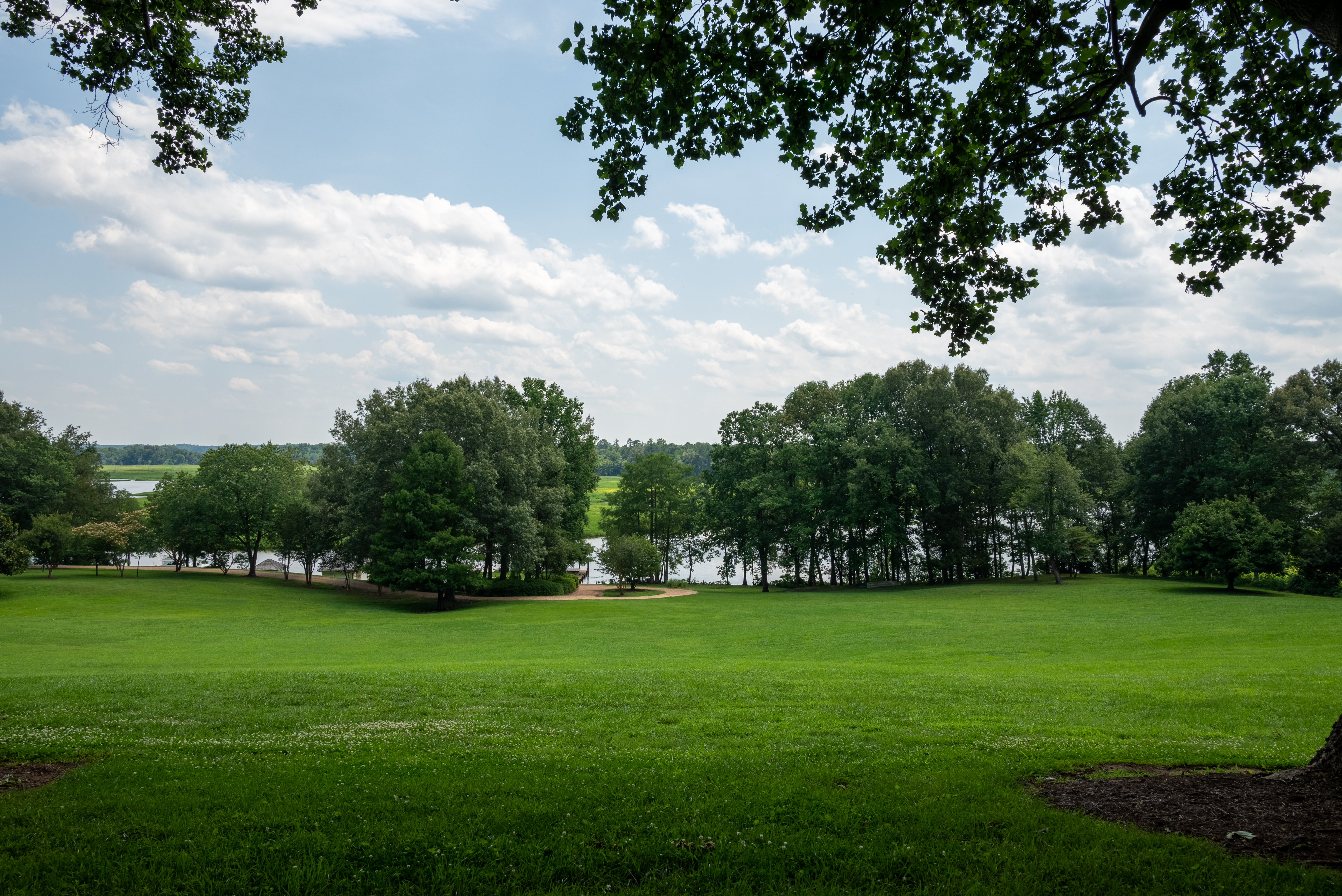
All photography used on this site is owned and copyrighted by the author unless otherwise noted. The featured image and subsequent images are from my various trips to Westover and Evelynton Plantations.
Music used for this episode – Louis Armstrong and the Mills Brothers,”Carry Me Back to Old Virginia” available on iTunes, and Kevin MacLeod “Vanished” found on Soundcloud.
Because The 1619 Project continues to impact current events through the way we view the past, I wanted to devote another episode to discussing the Project.
Dr. Mary Grabar joins me to discuss her new book Debunking the 1619 Project: Exposing the Plan to Divide America, in which she tackles the historical philosophy underpinning the Project. In addition, Dr. Grabar works to shed more light on the Project‘s historical misrepresentations.
If one is seeking to understand the philosophy driving The 1619 Project as well as the Project‘s goals, then Dr. Grabar’s work is a must read. I trust our discussion illustrates my claim, and that my listeners will get a copy of this important new book.
All photography used on this site is owned and copyrighted by the author unless otherwise noted. The Featured Image is Dr. Mary Grabar from the author’s website.
Music used for this episode – Louis Armstrong and the Mills Brothers,”Carry Me Back to Old Virginia” available on Apple Music, and Adagio for Strings by Samuel Barber, The New York Philharmonic conducted by Leonard Bernstein also available on Apple Music.
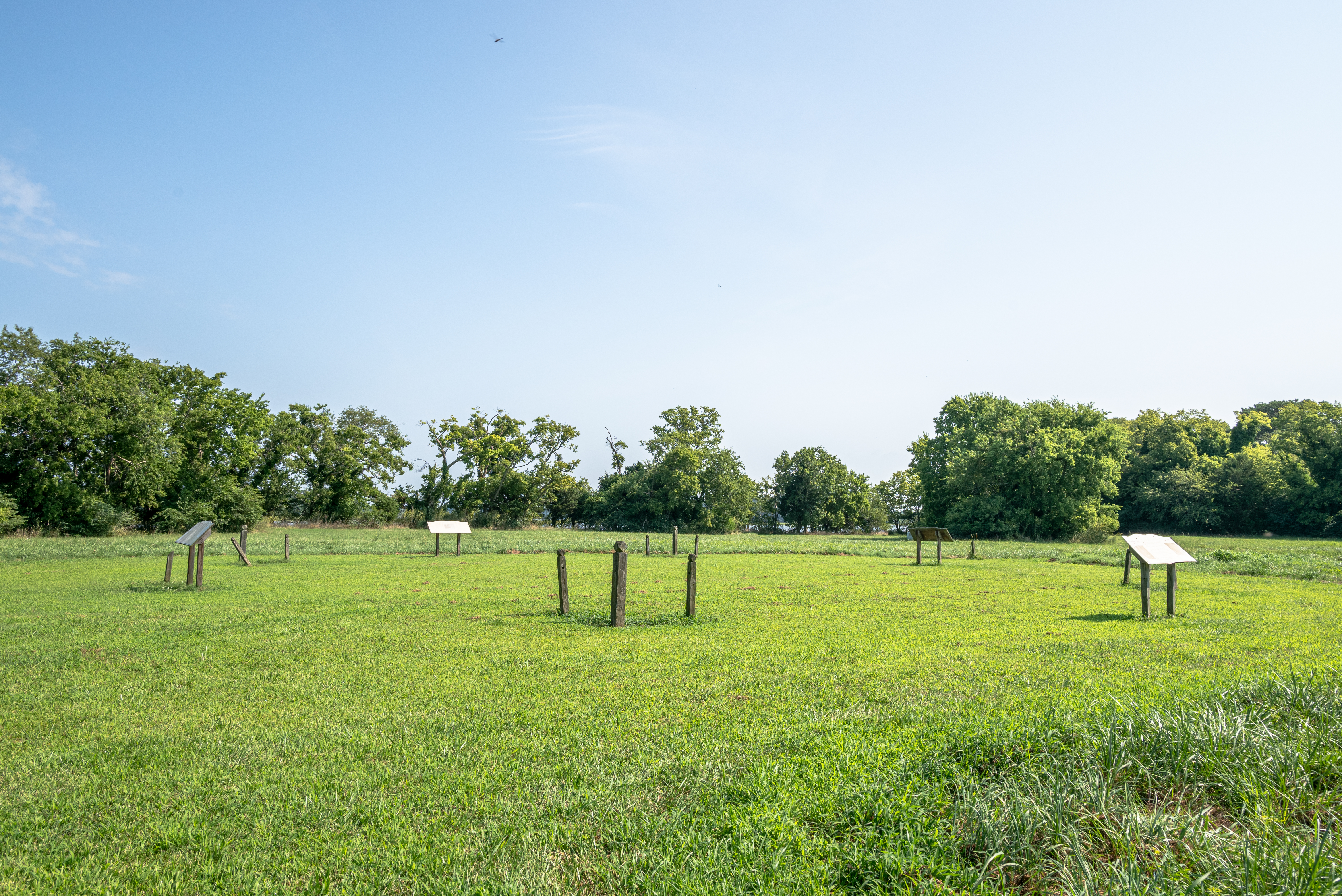
1619 was indeed a big year in Virginia’s history. In previous episodes we discussed many firsts that took place in the colony, but perhaps none of those firsts has drawn more attention than the “20 and odd’s” arrival.
In 2019 The New York Times published a series of articles highlighting that arrival. It was quite a publication with many goals, most of them political. Especially because of that political focus the 1619 Project received enormous scrutiny. It could be understood that one side of the political spectrum would attack the work, but both sides cried foul.
One of the leading critics, Dr. Phillip Magness began dissecting the work in a series of his own essays. Those essays became his book The 1619 Project: A Critique. In it, he discusses the Project’s shortcomings, while also highlighting some of what the series got right. As such, he, somewhat humorously, earned both praise and ire from Nikole Hannah-Jones, the Project’s lead editor.
His work is quite exhaustive, as you’ll hear in the interview. I’ve listed a few key links mentioned in the episode, but for further, in depth material, please, do purchase his book, The 1619 Project A Critique.
Understandably, I focus upon Virginia’s history with this podcast, and I intend to keep doing so. Because of the 1619 Project‘s continued influence, based upon it’s slavery claims reaching far back into Virginia’s history, I’ve come to believe that we needed to discuss the work in more detail, hence this episode.
There will be one more interview covering the Project’s work, but in my opinion, Dr. Magness’ scholarly expertise in this area is second to none. I trust as you listen to this episode, you’ll see why I hold him and his work in such high regard.
All photography used on this site is owned and copyrighted by the author unless otherwise noted. The Featured Image is Dr. Phillip W. Magness from aeir.org.
**Full disclosure, I re-uploaded the Dr. Magness interview tonight.One of my faithful listeners pointed out that I erred when mentioning that Teddy Roosevelt would not publicly meet with Booker T. Washington.
Though there is nuance to the comment, Roosevelt in fact did meet with Washington at the White House.Roosevelt received incredibly negative publicity for meeting with Washington after they shared dinner together. Making the situation more unclear, the White House, not necessarily Roosevelt, stated that they did not eat together. Then a few staff members commented on the meal, but said it was not dinner, but lunch instead.
Either way, I was incorrect in saying that Roosevelt did not meet with Washington, and that portion has been struck from the episode. This message is to publicly state the change.
As always, thanks for listening. I greatly appreciate the feedback! Robert.