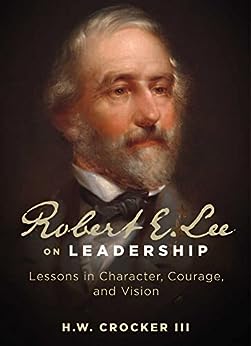
Arguably, the War Between the States might have ended much sooner than it did had men like Robert E. Lee not fought for the Confederacy.
For at least a century Lee’s position in the Pantheon of great American leaders went unchallenged, but that position has been increasingly questioned in more contemporary times. Historians, most notably Douglas Southall Freeman, did much to document Lee’s character and managerial style. But some have begun arguing that Freeman went too far to memorialize the Army of Northern Virginia general.
H.W. Crocker III is not one of those who worships the great leader as an untouchable figure, but he does argue that Lee’s leadership and personal discipline are worthy of study and emulation. As such, Mr. Crocker penned a fascinating work using Lee’s history in an effort to highlight leadership principles that may be used by anyone in any business. At it’s heart, the book is not so much a history book, though it uses historical events to illustrate key points. It’s more of a business/management work in that it uses history to offer insight to organization and team-building. For that reason, this book stands out among other business/management works, because the history is so captivating the reader wants to know and learn from each successive example.
After listening to this episode, get the book for the history, and enjoy the leadership education Mr. Crocker articulates from the life of one of America’s most interesting figures. You won’t be disappointed.
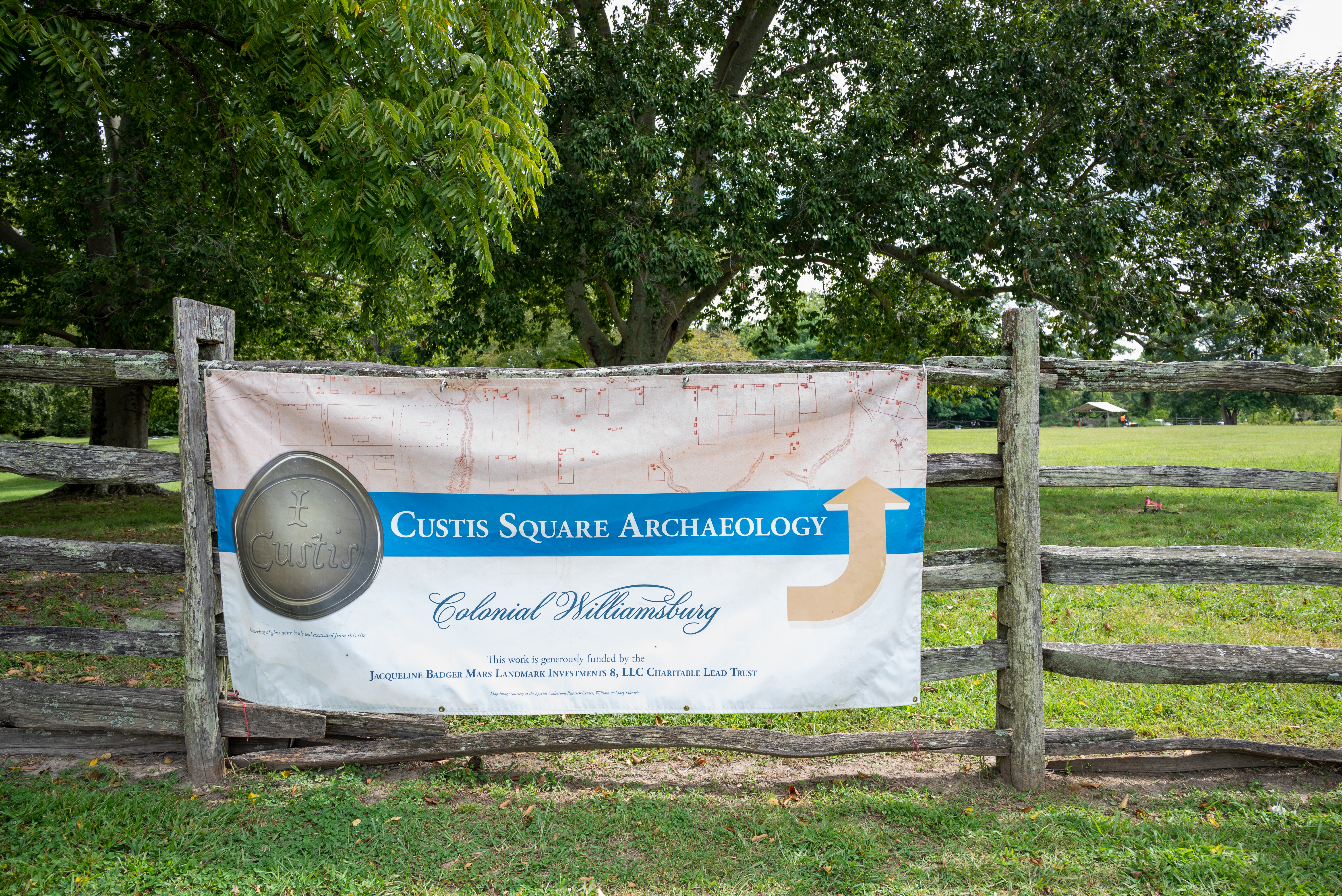
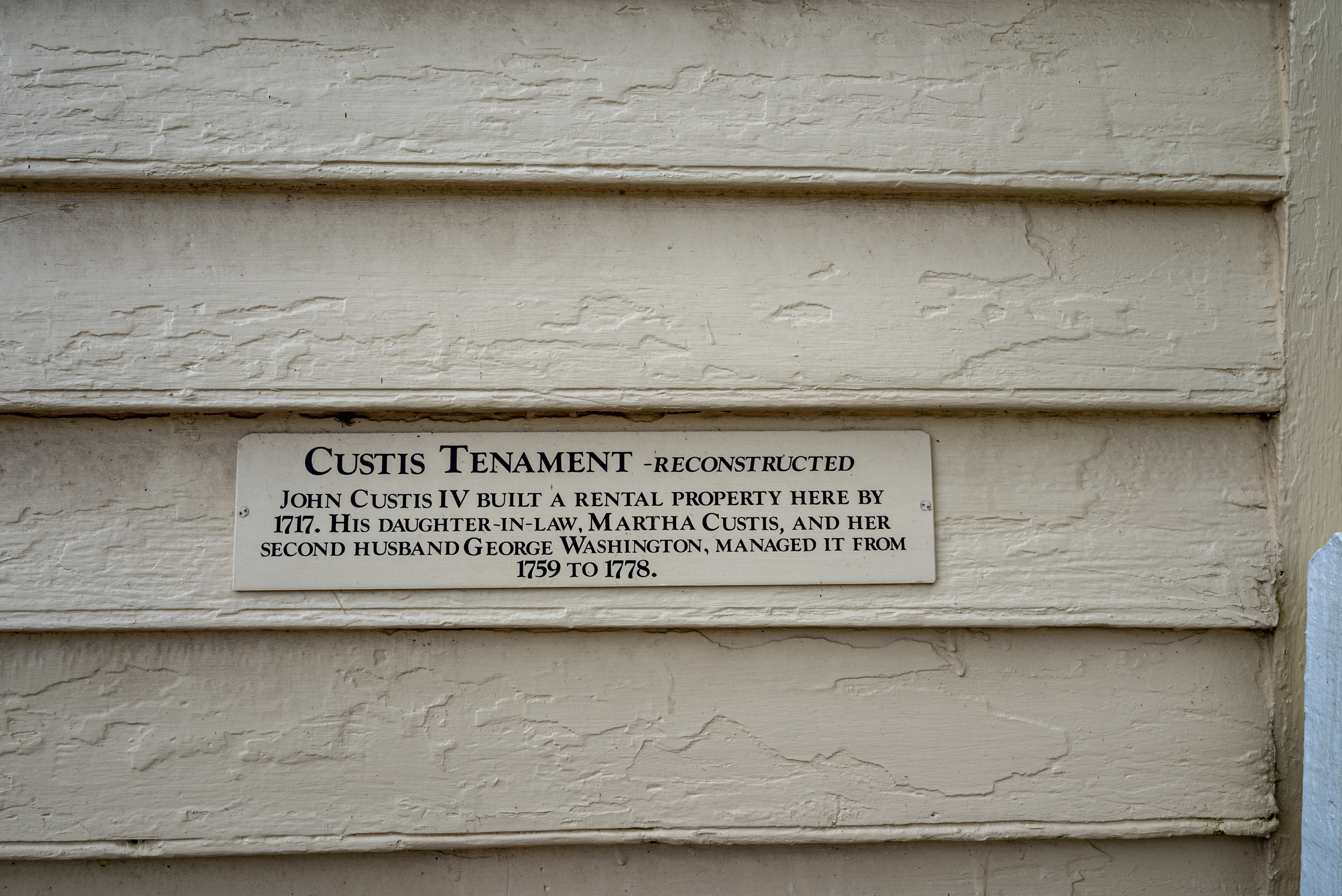
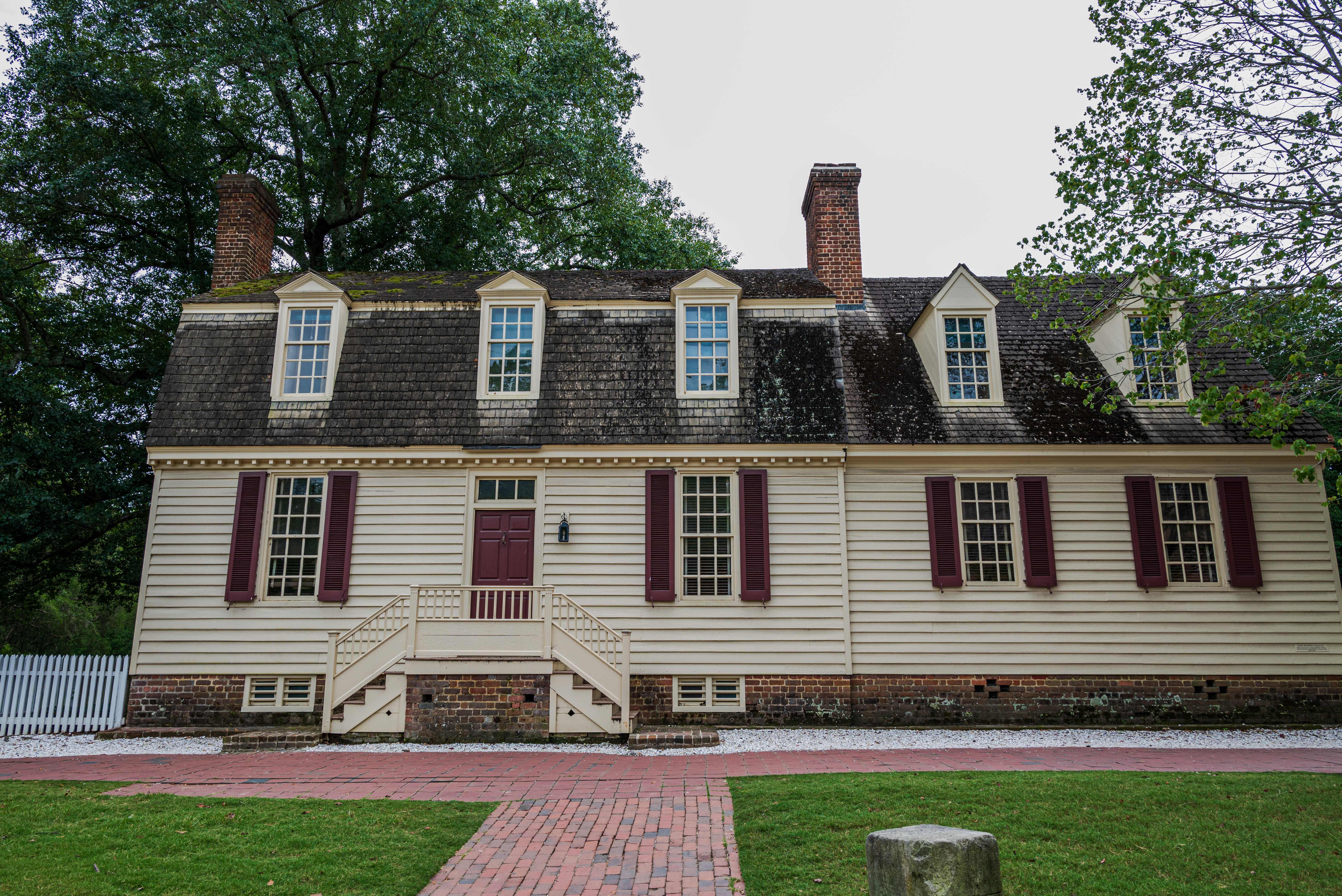
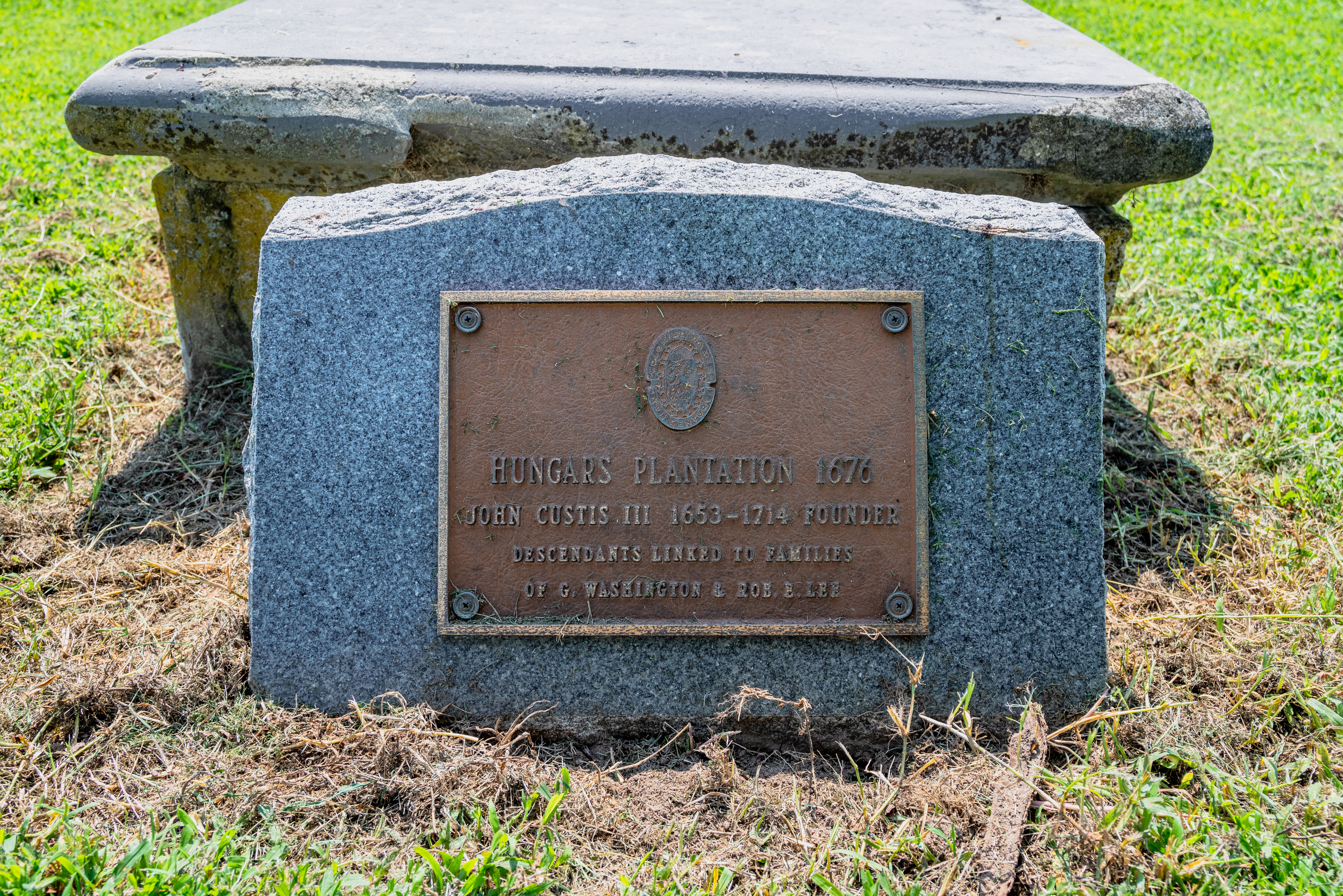
All families on the First Families list were involved across the world in one way or another, but arguably no one was more involved than the Custises.
Their family history is relatively short, but from their rather humble beginnings as Cliffes in England, they grew into important figures. The Cliffe name morphed into Custis, and then the Custis name spread to Ireland, Belgium, The Netherlands, the Caribbean, and Virginia.
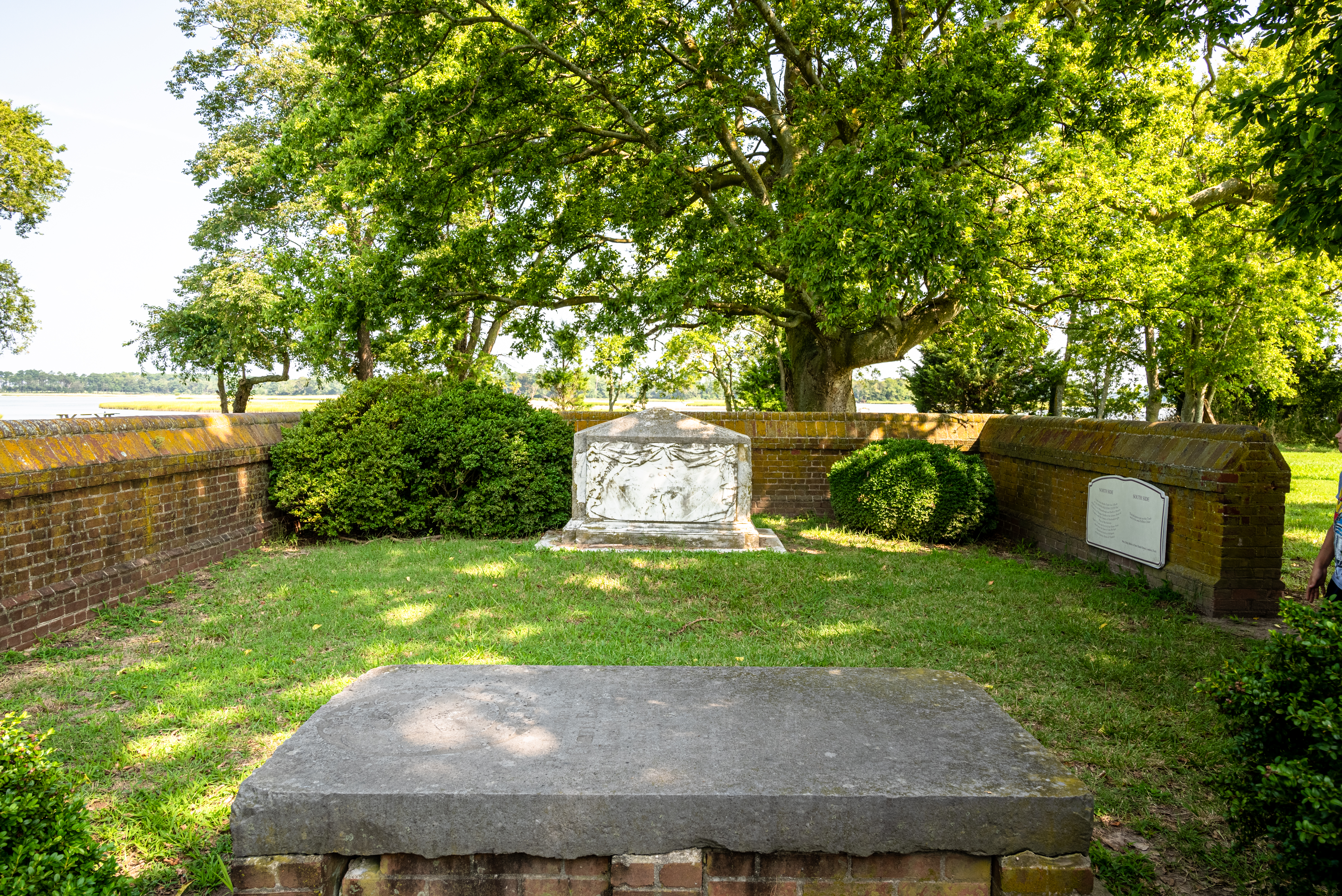
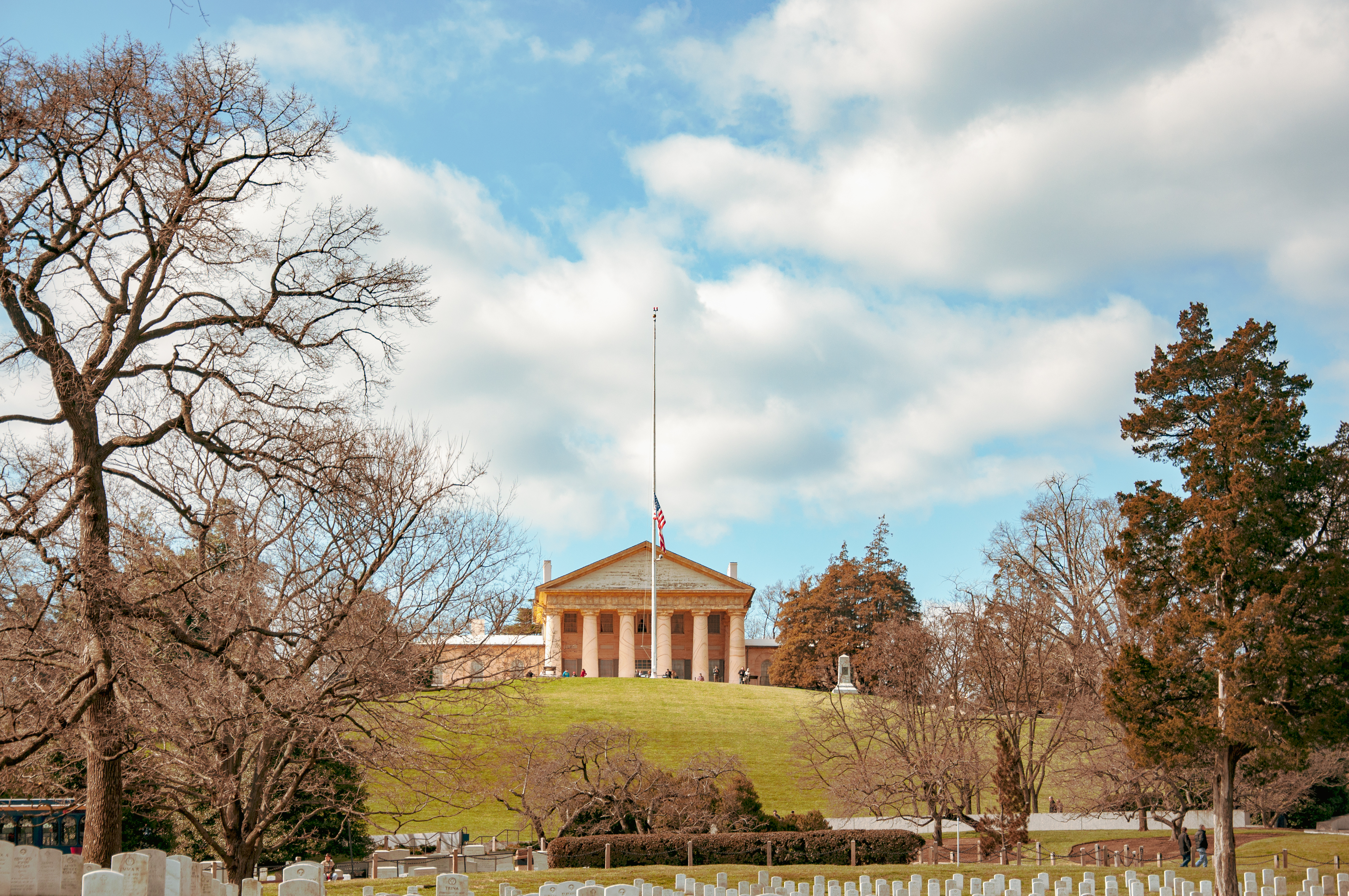
Along the way, they mingled with royalty and aided some of history’s most famous people. Then, they became important and famous themselves. The main Virginia Custis line may have ended in the 1850s, but their accomplishments and landmarks endure, from the somewhat obscure Custis tombs to the hallowed Arlington National Cemetery. Indeed, without them, there wouldn’t be an Arlington.
In this pair of episodes, we take a look at the Custis family beginnings, and detail how they became the great family who played an important part in so much of Virginia’s history.
LINKS TO THE PODCAST:
Custis Episode Part 1Custis Episode Part 2
SOURCES:
Billings, Warren M.; Selby, John E.; and Tate, Thad W. Colonial Virginia: A History. White Plains, NY: KTO Press. 1986.
Jackson, Cordelia. “Tudor Place.” Records of the Columbia Historical Society, Washington, D.C., vol. 25, Historical Society of Washington, D.C., 1923, pp. 68–86, http://www.jstor.org/stable/40067401.
Jo Zuppan. “John Custis of Williamsburg, 1678-1749.” The Virginia Magazine of History and Biography, vol. 90, no. 2, Virginia Historical Society, 1982, pp. 177–97, http://www.jstor.org/stable/4248543.
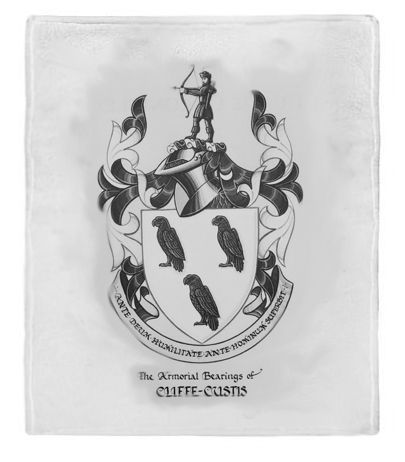
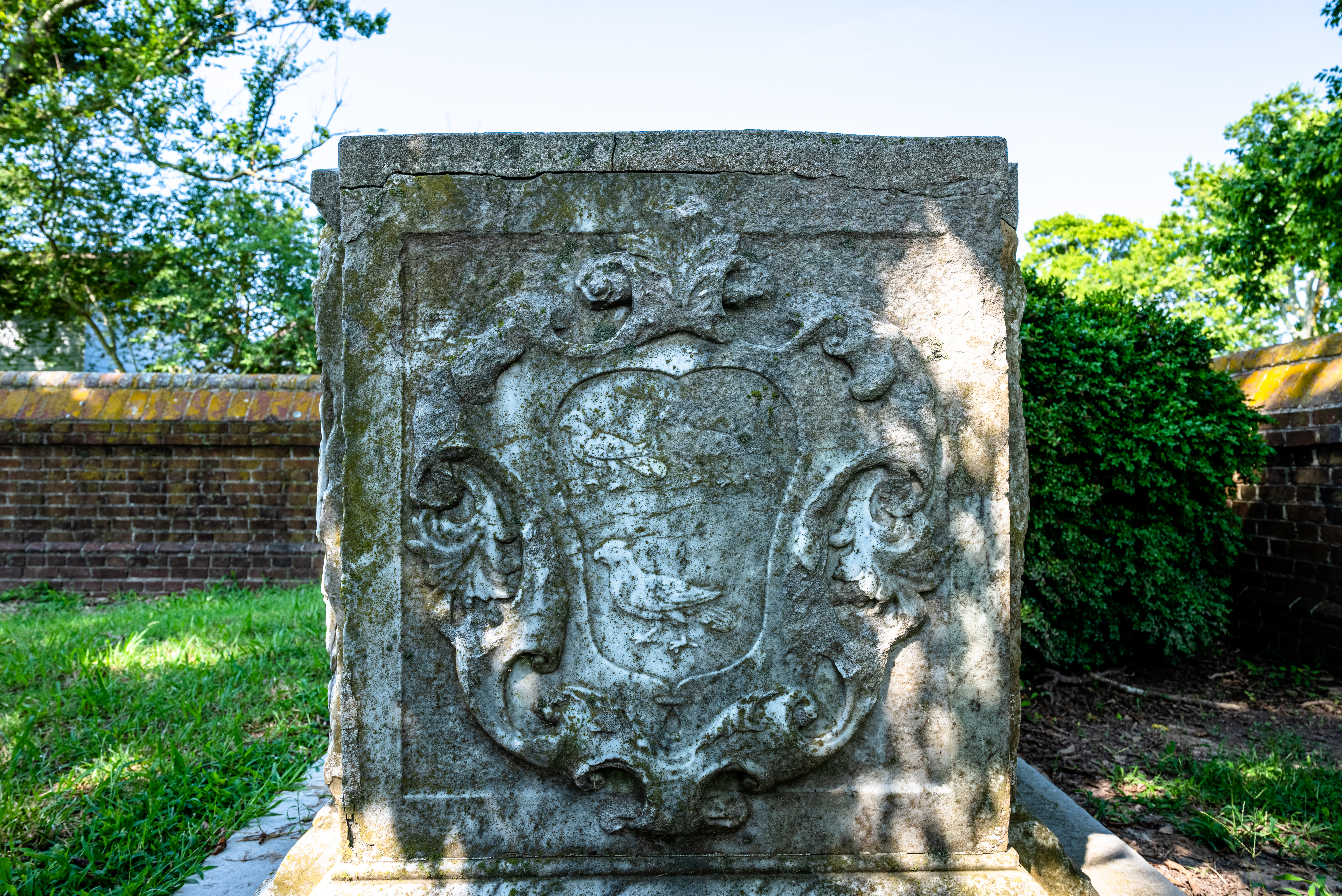
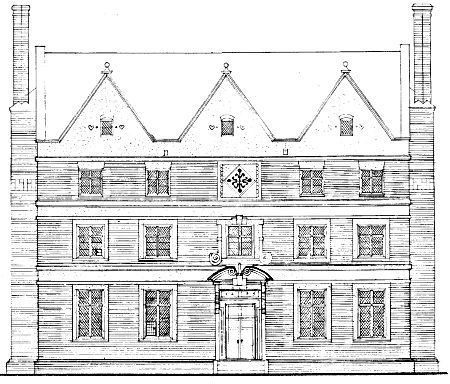
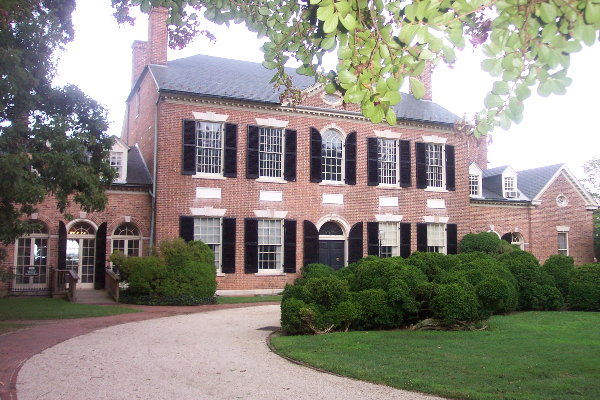
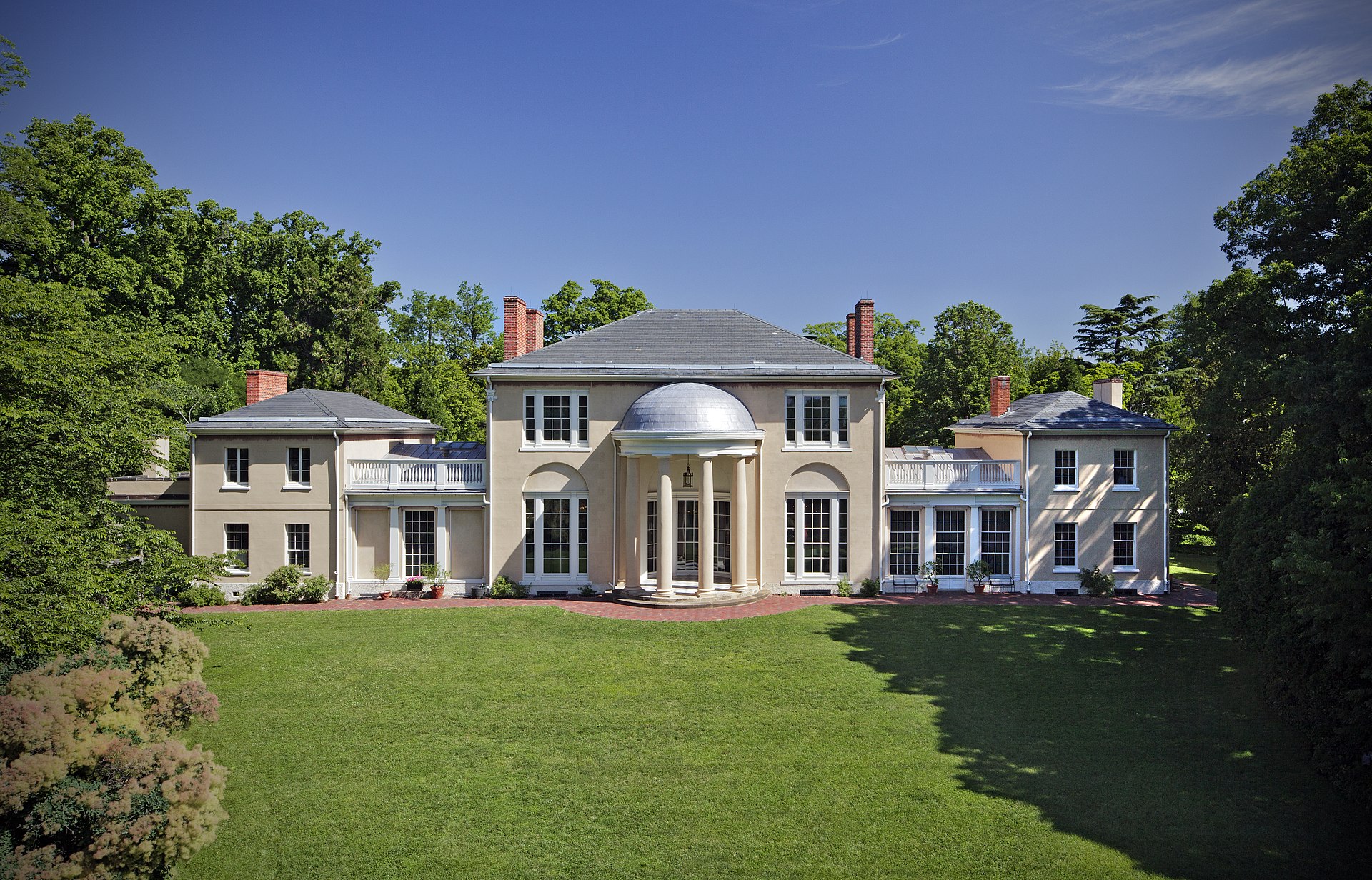
All photography used on this site is owned and copyrighted by the author unless otherwise noted. The Featured Image is of the Custis Family Crest. Woodlawn and the Tudor Place are both from Wikipedia. The Arlington Mansion sketch is from Northampton County.
Music used for the first episode – Louis Armstrong and the Mills Brothers,”Carry Me Back to Old Virginia” available on Apple Music, and “Waiting for Lightning” by The National Parks also available on Apple Music.
Music used for the second episode – Louis Armstrong and the Mills Brothers,”Carry Me Back to Old Virginia” available on Apple Music, and “Stubborn Love” by The Lumineers also available on Apple Music.
The Lee family impact upon Virginia’s history is undeniable. Richard I, “The Immigrant” had a seemingly boundless energy attached to a shrewd business sense. He used that combination to establish the Lee Dynasty from which foundational descendants sprang. He and his wife Anne (aka Anna) Constable Lee bore 10 children, of whom 9 survived infancy. Those 9 children, perhaps not as boundless as their patriarch, ensured Richard’s legacy within the Commonwealth lived beyond one generation.
Richard purchased vast lands, and left them to his children to build upon. They built enduring monuments to the Lee name such as Statford Hall, created tight bonds with other leading families of the day, and shaped Virginia’s future, while also taking part in America’s founding. But the Lee name didn’t stop there.
When Virginia’s First Family dominance seemed lost a Lee stepped forward in the twilight to give one last performance. In the end, the sun set on the Lee family as well as the First Families of Virginia, which in profound manner also influenced Virginia’s future. No longer a leader, Virginia became simply another contributing member of the United States, and the Lees, ever faithful continued to play their part.
Today debates abound, but what is not debatable is the Lee impact as trailblazers, innovators, country-builders, heroes, and sometime villains. Without them Virginia and the United States’ story, both good and bad, would not be the same, and their story begins with that brilliant family founder in 1639.
Tune in to this episode where we introduce this important family’s founding, while highlighting just a few of the Lee’s who impacted history.
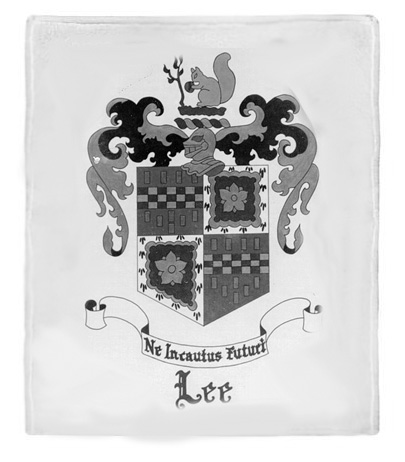
All photography used on this site is owned and copyrighted by the author unless otherwise noted. The Featured Image is of the Lee Family Crest.
Music used for this episode – Louis Armstrong and the Mills Brothers,”Carry Me Back to Old Virginia” available on iTunes, and “Haven” by We Banjo 3, also available on iTunes.
Freedom and Salvation was found at Fort Monroe for many former slaves.
I love traveling all over Virginia. Finding off the beaten path locations, eating at local dives, learning poignant stories combine to make each trip memorable. Sometimes, however, I don’t have to travel to experience all that Virginia has to offer. Sometimes it’s in my back yard. That’s the case with Fort Monroe.
Fort Monroe’s story spans more than 400 years, even longer if one includes what we know of the native Kecoughtan tribe. The original Jamestown colonists first met the Kecoughtans in Spring 1607 before the colonists sailed up river to establish Jamestown. The colonists came back, established friendly relations, and over time built a series of lookout posts that endured through some hardest struggles that the colonists suffered.
That colonial outpost became the port of entry for one of America’s great peoples. In 1619 “20 and odd negroes” from Angola arrived signaling the beginning of a new era in Virginia and America’s history. That history hasn’t always been laudable as those original settlers built new lives and saw their progeny forced into slavery by as early as the 1640s. Those slaves and their stories have left a deep imprint not only on Virginia’s historical landscape, but on her physical makeup as well.
Point Comfort and her early fortifications developed into more permanent bastions in the early 19th century, largely aided by slave labor. After the British marauded the Chesapeake Bay region and burned Washington DC during the War of 1812, the sorely embarrassed government undertook a series of forts built to ensure such an invasion would never happen again. Fort Monroe was the keystone in that military wall.
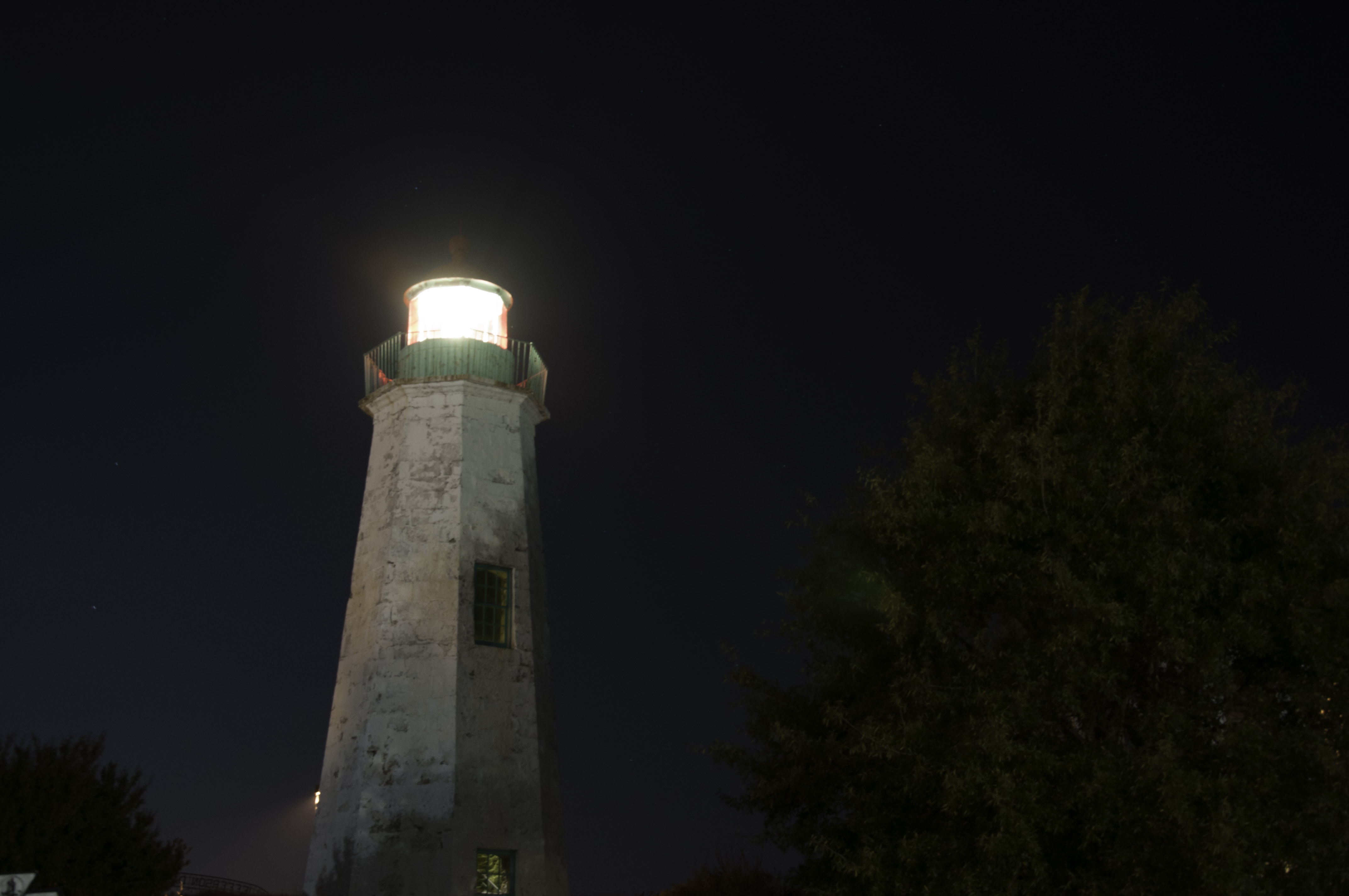
Old Point Comfort Lighthouse at night
The best military engineers of the day, including Robert E. Lee, descended upon Hampton to build the stone structure, as well as her sister fort known then as Fort Calhoun, but now known as Fort Wool, just off of Point Comfort’s coast.
These engineers were so successful that when the Civil War exploded onto history’s pages the Union maintained control of Fort Monroe, and never endured a serious threat to losing control of the strategic location.
Because the Union kept control they could use the fort as a starting point of major campaign thrusts toward Richmond. But the fort was also used for something else. Area slaves viewed Fort Monroe as potential salvation. Freedom.
On one May 1861 night three slaves tested their fate. They got into a skiff near Sewell’s Point, Norfolk, and rowed across the dangerous Hampton Roads waterway to reach Fort Monroe.
The Fort’s commanding officer, Benjamin Butler, had just been installed a day earlier, and now he had a decision to make. Butler was a lawyer from Massachusetts. He knew full well the law stating that runaway slaves were to be returned to their masters under the Fugitive Slave Law, but in a history changing decision, Butler decided to keep the runaway slaves as “contrabands of war.”
Word of Butler’s decision spread, and many more slaves poured into “Freedom’s Fortress” throughout the war.
After the Civil War ended, the region’s blacks largely remained. They started schools, notably built upon Mary Peake’s pioneering work, some of which was done in Fort Monroe before her 1862 death.
The American Missionary Association brought black and white leaders together in 1868 to formalize education by starting the Hampton Normal and Agricultural Institute, today’s Hampton University. Their mission was to teach and train freed black slaves, which attracted attention far and wide, perhaps most famously, Booker T. Washington.
Because of new opportunities, America’s black history, beginning in 1619, could now be seen as beginning anew in the 1860s, and it still centered at Point Comfort. The shining monument to that storied history is Fort Monroe, “Freedom’s Fortress.”
1619 was the beginning of Black History in English North America. That history began here at Point Comfort.
Lee’s Quarters, as seen from Fort Monroe’s South Wall
Lee’s Quarters
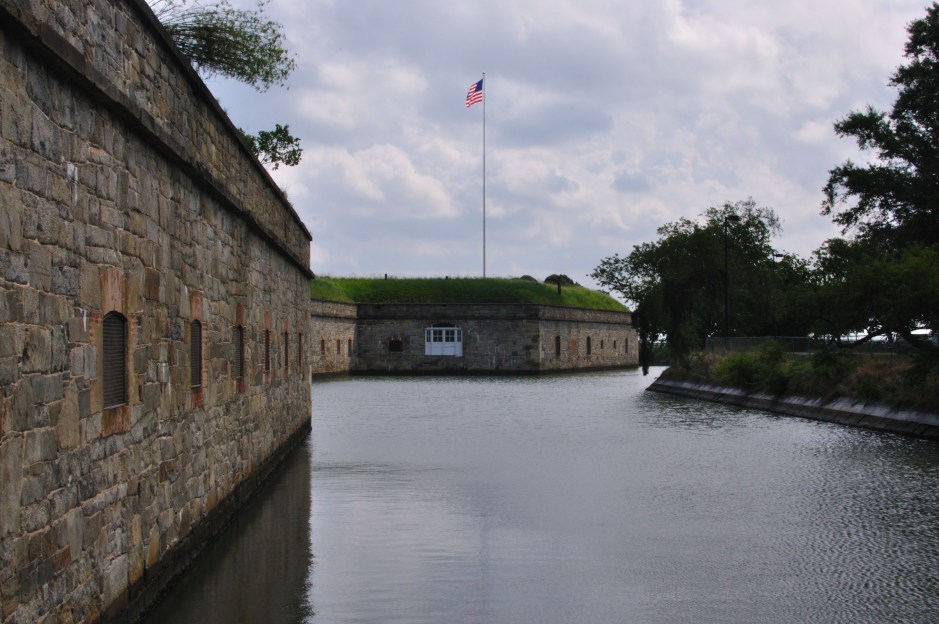
Fort Monroe’s Southeastern wall and moat
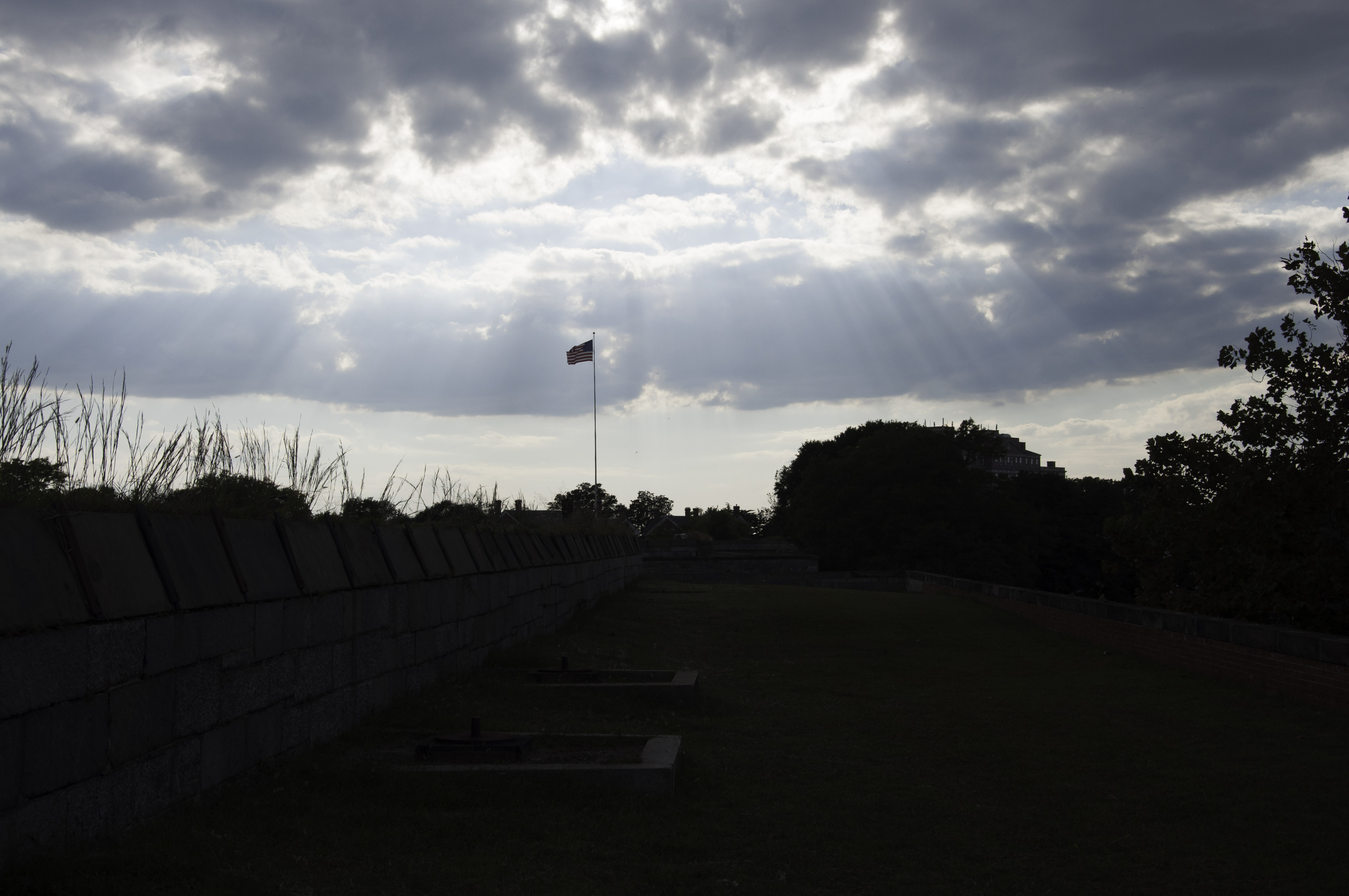
Gun emplacements atop Fort Monroe
Quarter’s #1, where Lincoln stayed while visiting Fort Monroe
The “Lincoln” gun
Entrance to Fort Monroe’s Casemate Museum
Casemate Museum at Fort Monroe
Harriet Tubman honored at Fort Monroe
Edgar Allan Poe at Fort Monroe
Inside Fort Monroe’s Casemate Museum
Jefferson Davis Park
The Jefferson Davis Exhibit at Fort Monroe’s Casemate Museum
Jefferson Davis Jail Cell at Fort Monroe
Inside Jefferson Davis Jail Cell at Fort Monroe
Examples of the types of shells used at Fort Monroe
A recreated watering hole at Fort Monroe’s Casemate Museum
A cargo ship passes Fort Monroe and her outer defenses at Hampton Roads
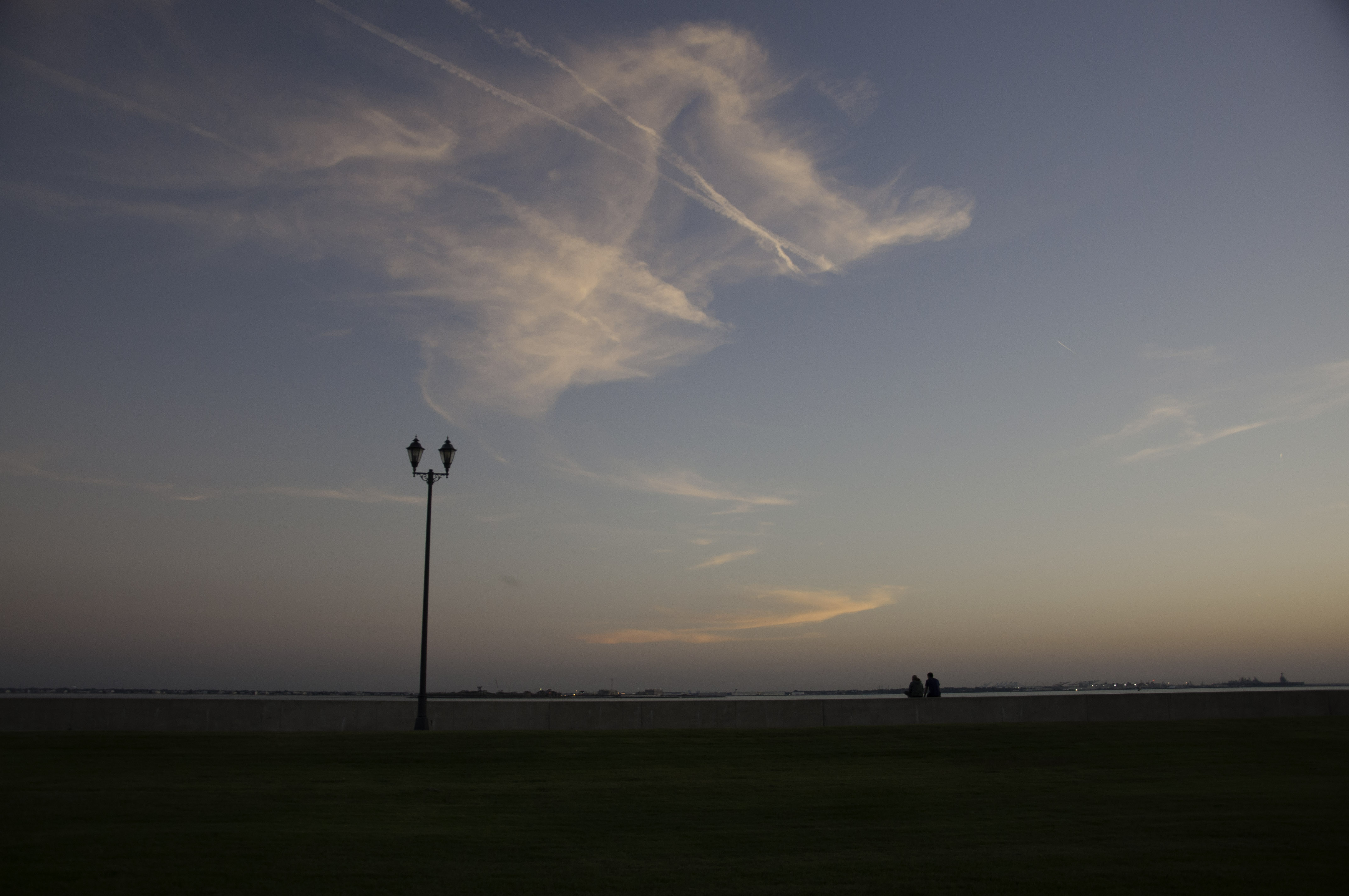
Couples enjoying the boardwalk outside of Fort Monroe’s walls
All photography used on this site is owned and copyrighted by the author. The featured image is of Fort Monroe as seen from the North Sallyport.
Music used for this episode – Louis Armstrong and the Mills Brothers,”Carry Me Back to Old Virginia” available on iTunes, and “Egmont Overture” by Ludwig von Beethoven, performed by the Chicago Symphony.










 Virginia History Podcast