Berkley’s 1662 Return and Slavery’s Legal Introduction

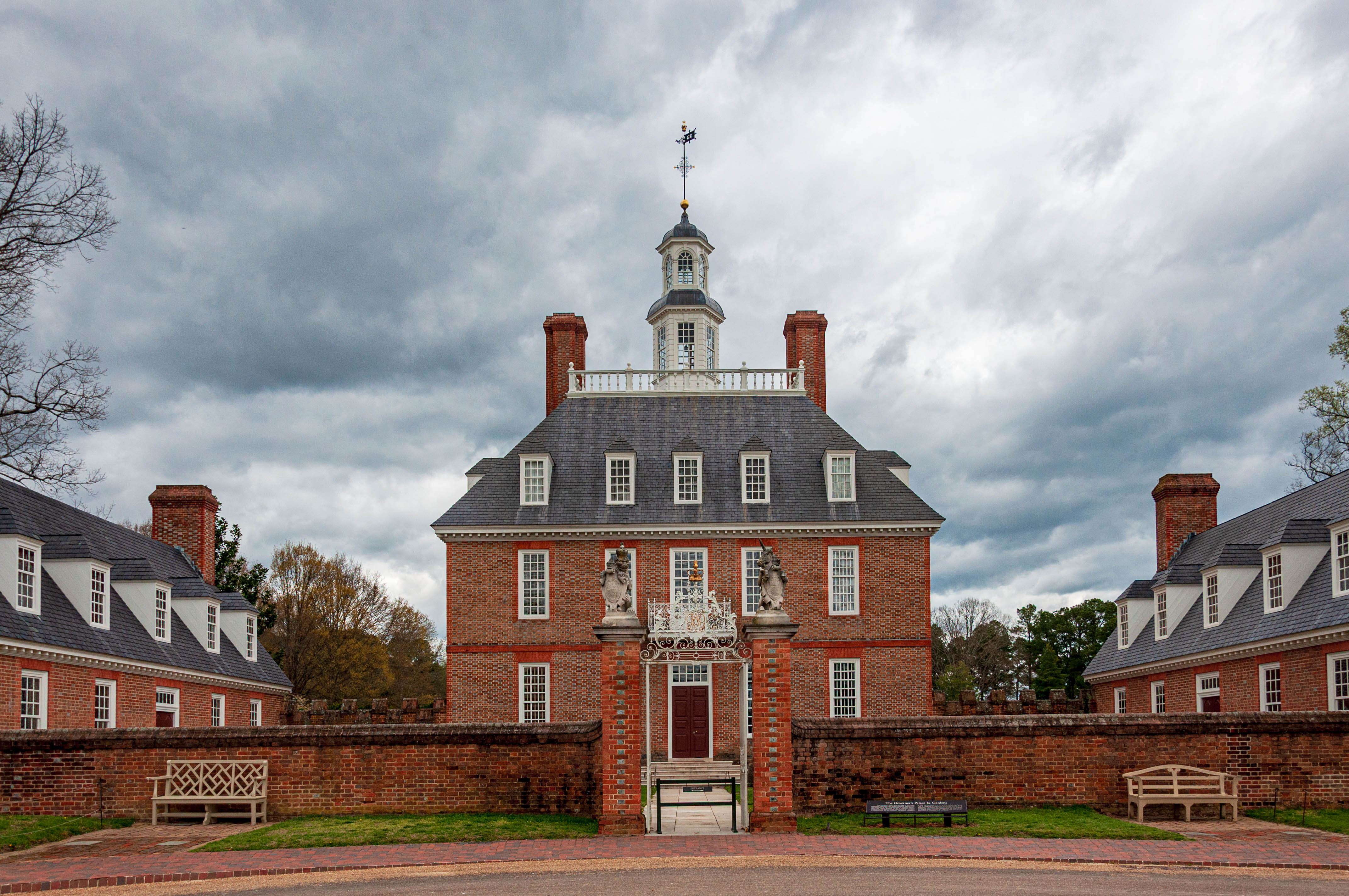
A number of key issues followed Governor Berkeley back into Virginia after his 1662 visit to England. He was to enforce the Navigation Acts, build new towns, and enact new taxes. Arguably, however, an issue had been brewing in the Old Dominion for some time before he returned to power – slavery.

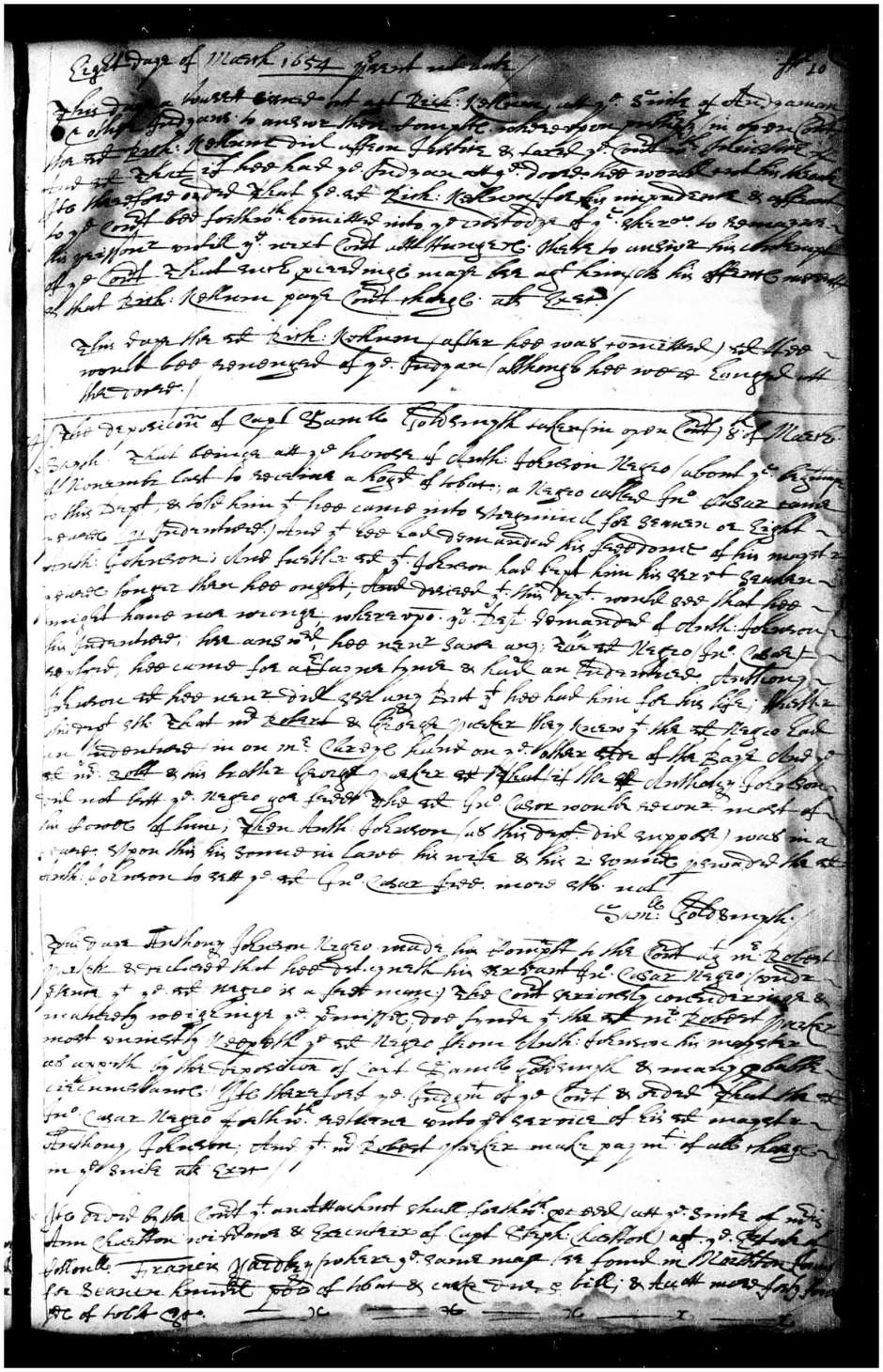
Slavery had not been codified legally, though it had existed in many forms for decades. Two important court cases set the Commonwealth on the pathway toward eventual chattel slavery in 1705. The first case involved Antony Johnson, who’s servant, John Casor, had fled Johnson’s Eastern Shore plantation. Johnson sued Casor, and Casor’s protector. Casor lost, and was ordered to return to Johnson’s control in perpetuity. In all of Virginia’s remaining records, this was the first mention of the term slavery.

The second case, which involved one Elizabeth Key, served to help define who could be considered a slave from birth. Key ultimately won her case, but the laws serving to free her were changed thereafter and soon harmed future generations for centuries.

LINKS TO THE PODCAST:

SOURCES:

  1. Billings, Warren M.; Selby, John E.; and Tate, Thad W. Colonial Virginia: A History. White Plains, NY: KTO Press. 1986.
  2. Billings, Warren M. Sir William Berkeley and the Forging of Colonial Virginia. Baton Rouge, LA: LSU Press, 2004.
  3. Billings, Warren. A Little Parliament: The Virginia General Assembly in the Seventeenth Century. Richmond, VA: Library of Virginia, 2004.
  4. Breen, T.H. and Innes, Stephen. Myne Owne Ground: Race & Freedom on Virginia’s Eastern Shore, 1640-1676. New York: Oxford University Press, 1980.
  5. Craven, Wesley Frank. White, Red, and Black: The Seventeenth Century Virginian. Charlottesville, VA: University of Virginia Press, 1977.
  6. Craven, Wesley Frank. The Southern Colonies in the Seventeenth Century: 1607-1689. LSU Press, 1949.
  7. Dabney, Virginius. Virginia: The New Dominion, A History from 1607 to the Present. Charlottesville, VA: University of Virginia Press, 1971.
  8. Genovese, Eugene. Roll, Jordan, Roll: The World the Slaves Made. New York: Vintage, 1976.
  9. Horn, James. Adapting to A New World: English Society in the Seventeenth-Century Chesapeake. Chapel Hill, NC: University of North Carolina Press, 1994.
  10. Mapp, Alfred J. Virginia Experiment: The Old Dominion’s Role in the Making of America, 1607-1781Lincoln, NE: iUniverse, Inc., 2006.
  11. Neill, Edward D. Virginia Carolorum: The Colony under the Rule of Charles The First and Second, A.D. 1625-A.D. 1685. Albany, NY: Joel Munsell’s and Sons, 1886.
  12. Rothbard, Murray N. Conceived in Liberty. Auburn, AL: Ludwig Von Mises Institute, 1999.
  13. Tyler, Lyon Gardiner. The Cradle of the Republic: Jamestown and the James River. Richmond, VA: The Hermitage Press, 1906.
  14. Wallenstein, Peter. Cradle of America: Four Centuries of Virginia History. Lawrence, KS: University Press of Kansas, 2007.
  15. Walsh, Lorena S. Motives of Honor, Pleasure, and Profit: Plantation Management in the Colonial Chesapeake, 1607-1763. Chapel Hill, NC: University of North Carolina Press, 2010.
  16. Washburn, Wilcomb E. Virginia Under Charles I and Cromwell 1625-1660. Kindle Edition.
  17. Wertenbaker, Thomas Jefferson. Virginia Under the Stuarts: 1607-1688. New York: Russell and Russell, 1959.
  18. Wertenbaker, Thomas Jefferson. The Planters of Colonial Virginia. Kindle Edition.
  19. Wise, Jennings Cropper. Ye Kingdom Of Accawmacke: Or The Eastern Shore Of Virginia In The Seventeenth Century. Richmond, VA: The Bell Book and Stationary, CO. 1911.
  20. The Navigation Act of 1651 (Act passed by Rump Parliament and spurned by Berkeley).
  21. The Navigation Act of 1660 (This is the Act that concerned Virginians before Charles II’s Restoration).
  22. The Navigation Act of 1663 (Argued previous to July 1663 ratification, after Berkeley had returned to Virginia).
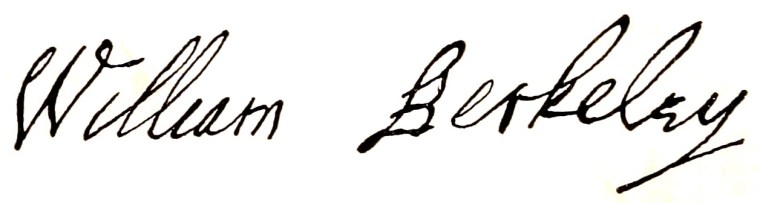
Berkeley Signature


All photography used on this site is owned and copyrighted by the author unless otherwise noted. The featured image is of “Court Ruling on Anthony Johnson and His Servant” found in the Northampton County Deeds, Wills, Etc., March 8, 1654/5, 7 (1655–1668), fol. 10 – from the Encyclopedia Virginia.

Music used for this episode – Louis Armstrong and the Mills Brothers,”Carry Me Back to Old Virginia” available on Apple Music, and “Hurricane” by Needtobreathe also available on Apple Music.

Longstreet – Elizabeth Varon Interview

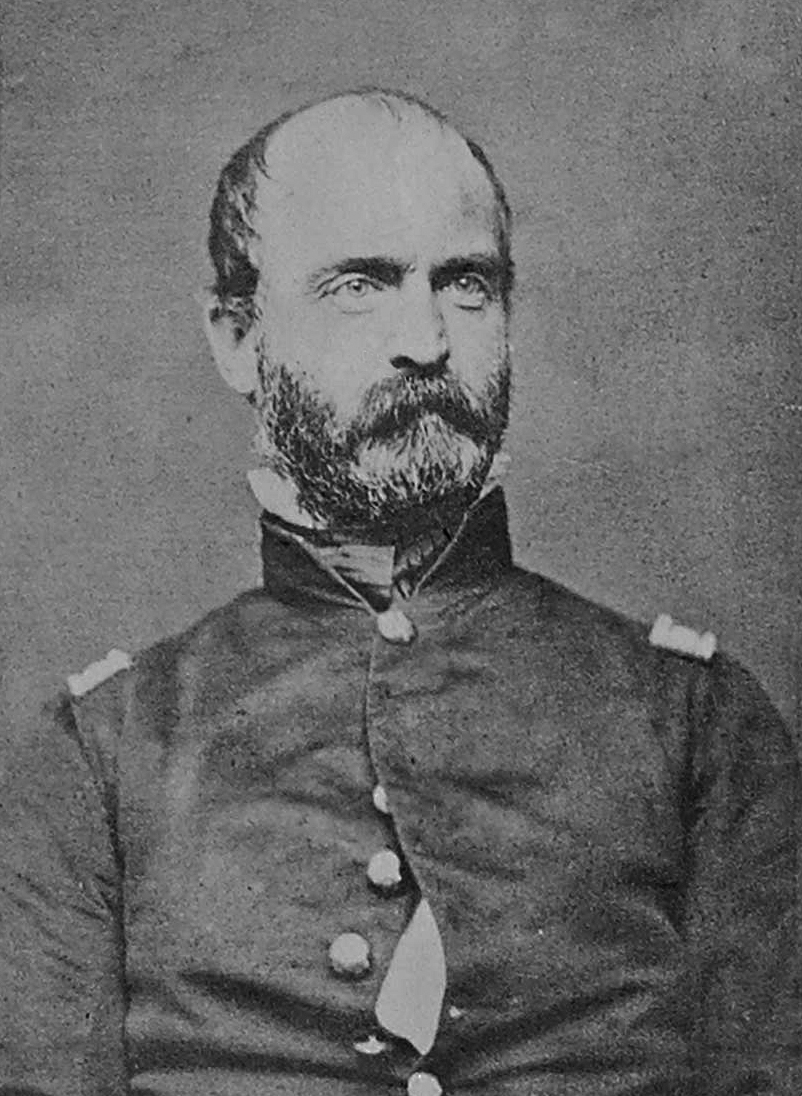
General James A. Longstreet is one of the most interesting figures emerging from the Civil War. He was Robert E. Lee’s “Warhorse” turned Gettysburg scapegoat. Longstreet was a staunch defender of the southern cause, who seemingly turned against the South after the War’s end. Because of his changed viewpoint, Longstreet was frowned upon by most of the South after the War.

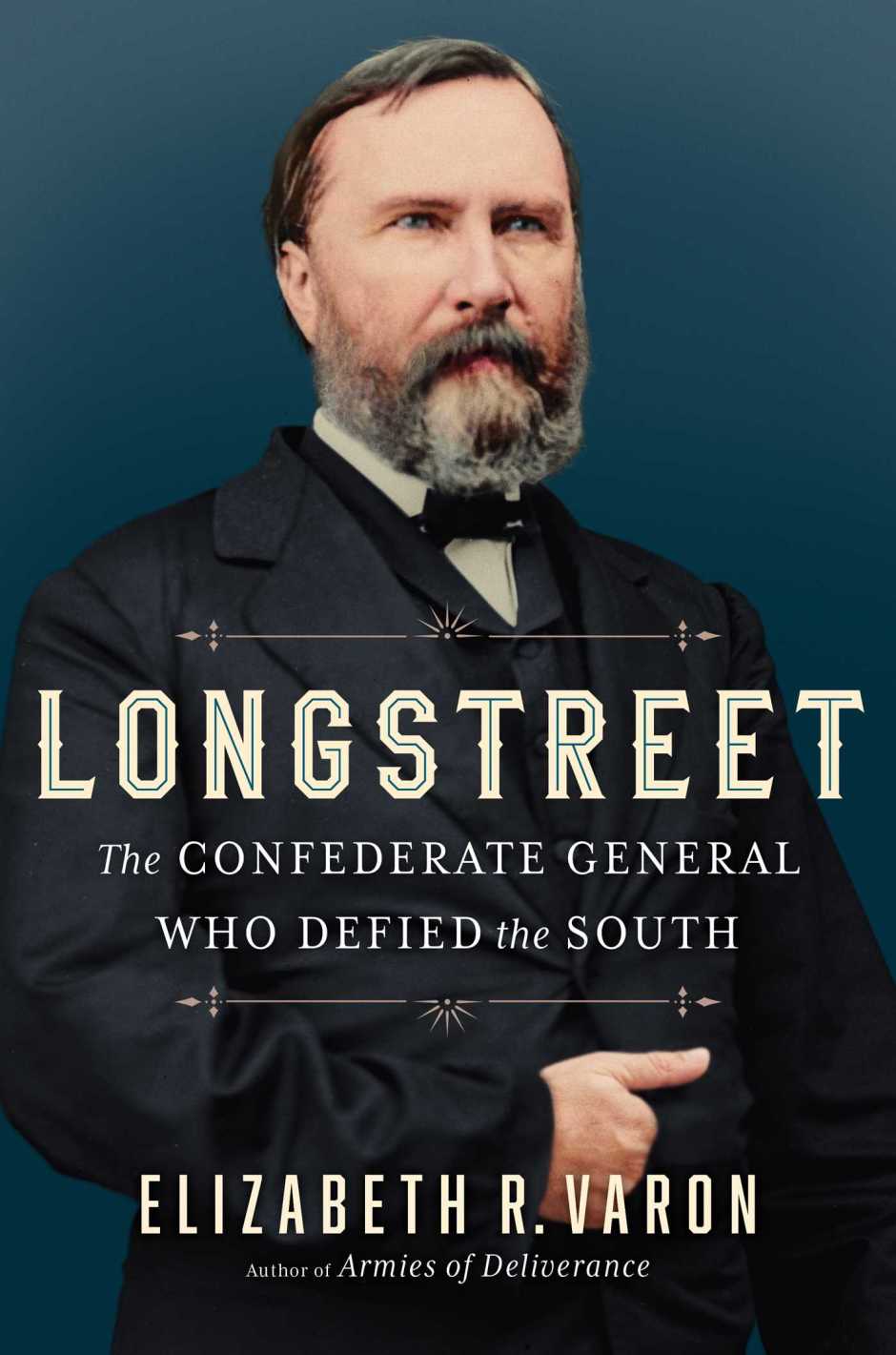
Dr. Varon’s new book, Longstreet: The Confederate General Who Defied the South, focuses upon the important General’s life after the Civil War. She briefly illustrates Longstreet’s foundational years through his illustrious military career. Most Longstreet biographies tend to center most of their attention upon his four years serving as a General in the Confederate Army, understandably so. But as Dr. Varon mentions in our discussion, he had forty more years of life after the War’s end. What did he do with that time?

I trust you’ll find Dr. Varon’s answers to be as interesting as Longstreet’s life.

LINKS TO THE PODCAST:

Elizabeth Varon Books:

  • Longstreet: The Confederate General Who Defied the South. New York: Simon and Schuster, 2023.
  • Southern Lady, Yankee Spy: The True Story of Elizabeth Van Lew, a Union Agent in the Heart of the Confederacy. New York: Oxford University Press, 2005.
  • Armies of Deliverance: A New History of the Civil War. New York: Oxford University Press, 2019.
  • Disunion!: The Coming of the American Civil War, 1789-1859 (Littlefield History of the Civil War Era). Chapel Hill, NC: UNC Press, 2008.
  • Appomattox: Victory, Defeat, and Freedom at the End of the Civil War. New York: Oxford University Press, 2013.
  • We Mean to Be Counted: White Women and Politics in Antebellum Virginia (Gender and American Culture). Chapel Hill, NC: UNC Press, 1998.


All photography used on this site is owned and copyrighted by the author unless otherwise noted. The Featured Image is of Longstreet: The Confederate General Who Defied the South.

Music used for this episode – Louis Armstrong and the Mills Brothers,”Carry Me Back to Old Virginia” available on Apple Music, and Selections from Symphony No. 10 in E Minor, Op. 93: II. Allegro by Dmitri Schostakovich performed by London Symphony Orchestra & Mstislav Rostropovich, also on Apple Music.

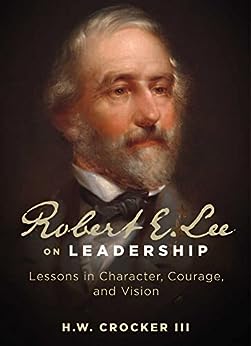
Robert E. Lee on Leadership – H.W. Crocker III Interview

Arguably, the War Between the States might have ended much sooner than it did had men like Robert E. Lee not fought for the Confederacy.

For at least a century Lee’s position in the Pantheon of great American leaders went unchallenged, but that position has been increasingly questioned in more contemporary times. Historians, most notably Douglas Southall Freeman, did much to document Lee’s character and managerial style. But some have begun arguing that Freeman went too far to memorialize the Army of Northern Virginia general.

H.W. Crocker III is not one of those who worships the great leader as an untouchable figure, but he does argue that Lee’s leadership and personal discipline are worthy of study and emulation. As such, Mr. Crocker penned a fascinating work using Lee’s history in an effort to highlight leadership principles that may be used by anyone in any business. At it’s heart, the book is not so much a history book, though it uses historical events to illustrate key points. It’s more of a business/management work in that it uses history to offer insight to organization and team-building. For that reason, this book stands out among other business/management works, because the history is so captivating the reader wants to know and learn from each successive example.

After listening to this episode, get the book for the history, and enjoy the leadership education Mr. Crocker articulates from the life of one of America’s most interesting figures. You won’t be disappointed.

LINKS TO THE PODCAST:

H.W. Crocker III Books:


All photography used on this site is owned and copyrighted by the author unless otherwise noted. The Featured Image is of Robert E. Lee on Leadership: Lessons in Character, Courage, and Vision.

Music used for this episode – Louis Armstrong and the Mills Brothers,”Carry Me Back to Old Virginia” available on Apple Music, and Selections from the “The Planets: Op. 32 – Mars: The Bringer of War” by Gustav Holst, performed by the London Symphony Orchestra, conducted by Sir Colin Davis.

First Families of Virginia – The Carters, Part 3

The Carter legacy is second to none. Because they were involved in so many ventures, economic, political, and religious alike, their influence remains to be seen today.

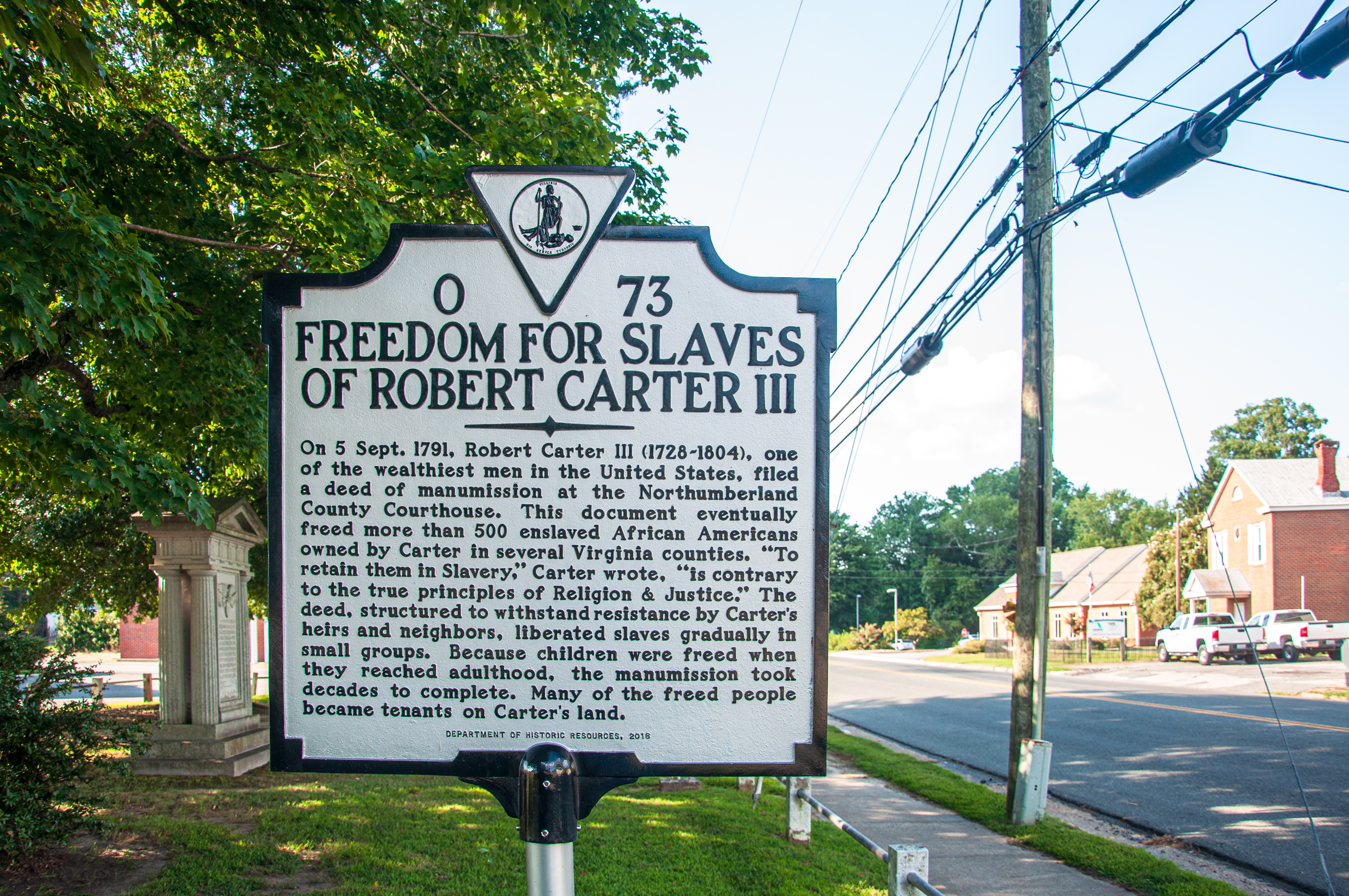
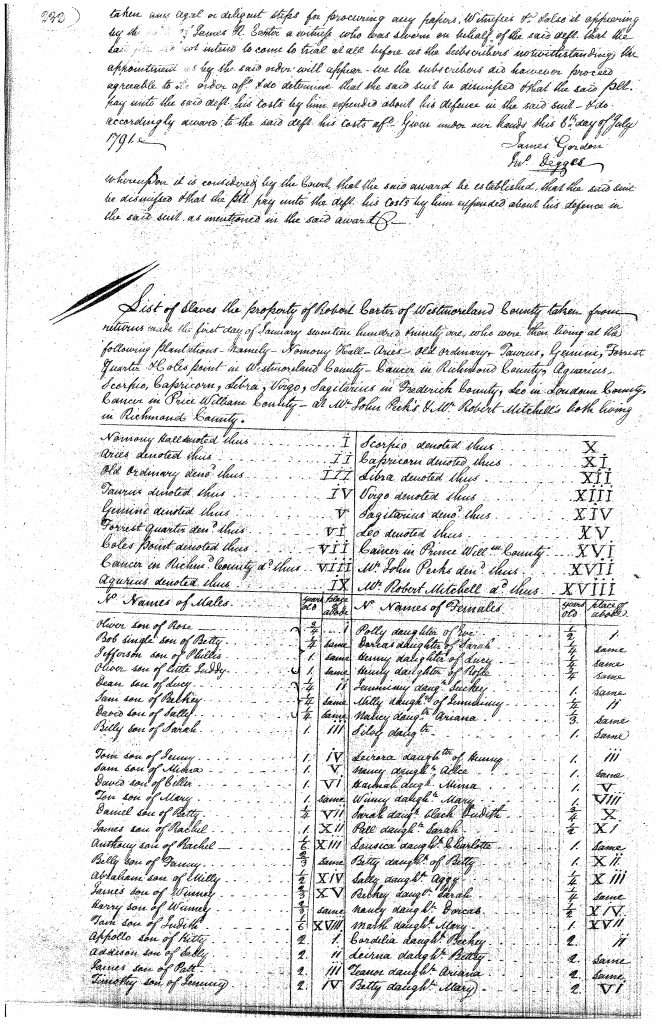
John Carter’s descendants became titans of Virginia’s colonial and early American history. They inhabited, funded, and built major businesses that served to drive Virginia’s progression from a struggling outpost into a wealthy colony. Ironically, one Robert Carter used slave labor to build his wealth, while another Robert Carter used his wealth to free his slaves, such is the Carter complexity.

Because of that complexity, the Carter’s are a fascinating study for anyone. They were staunch Crown supporters, until the Crown appeared to harm them. They were slavers, until religious convictions haunted some. They were leading statesmen, until the new Country seemed to pass them by. But because they were so wealthy, and so familialy connected, the Carters would never vanish. The Commonwealth and indeed United States was built largely upon Carter thought and wealth, and as such earned their place at the top of Virginia’s First Family list.

LINKS TO THE PODCAST:

SOURCES:

  1. Billings, Warren M.; Selby, John E.; and Tate, Thad W. Colonial Virginia: A History. White Plains, NY: KTO Press. 1986.
  2. Billings, Warren M. Sir William Berkeley and the Forging of Colonial Virginia. Baton Rouge, LA: LSU Press, 2004.
  3. Billings, Warren. A Little Parliament: The Virginia General Assembly in the Seventeenth Century. Richmond, VA: Library of Virginia, 2004.
  4. Brown, Katherine L. Robert “King” Carter: Builder of Christ Church. Irvington, VA: Historic Christ Church Heritage Books, 2001.
  5. Bruce, Phillip Alexander. Social Life of Virginia in the Seventeenth Century: An Inquiry into the Origin of the Higher Planting Class. New York: JP Bell Company, 1927.
  6. Carter, Robert III. A Man Named Robert: Lessons from the Life of America’s First Great Emancipator. Austin, TX: Cartier and Beaufort Press, 2022.
  7. Currer-Briggs, Noel. The Carters of Virginia: Their English Ancestry. Shopwyke Hall, Chichester, Sussex, England: Phillimore, 1979.
  8. Dabney, Virginius. Virginia: The New Dominion, A History from 1607 to the Present. Charlottesville, VA: University of Virginia Press, 1971.
  9. Dowdey, Clifford. The Virginia Dynasties: The Emergence of “King” Carter and the Golden Age. New York: Bonanza Books, 1969.
  10. Dowdey, Clifford. The Golden Age: A Climate for Greatness, 1732-1775. New York: Little Brown, 1970.
  11. Evans, Emory G. A “Topping People”: The Rise and Decline of Virginia’s Old Political Elite, 1680-1790. Charlottesville, VA: UVA Press, 2009.
  12. Fischer, David Hackett. Albion’s Seed: Four British Folkways in America (America: a cultural history). Oxford: Oxford University Press, 1989.
  13. Freeman, Douglas Southall. George Washington: A Biography. New York: Charles Scribners, 1957. (Specifically Volume 1).
  14. Horn, James. Adapting to A New World: English Society in the Seventeenth-Century Chesapeake. Chapel Hill, NC: University of North Carolina Press, 1994.
  15. Isaac, Rhys. Landon Carter’s Uneasy Kingdom: Revolution and Rebellion on a Virginia Plantation. Oxford: Oxford University Press, 2004.
  16. Isaac, Rhys. The Transformation of Virginia, 1740-1790. Chapel Hill, NC: UNC Press, 1999.
  17. Levy, Andrew. The First Emancipator: The Forgotten Story of Robert Carter, the Founding Father Who Freed His Slaves. New York: Random House, 2005.
  18. Mapp, Alfred J. Virginia Experiment: The Old Dominion’s Role in the Making of America, 1607-1781Lincoln, NE: iUniverse, Inc., 2006.
  19. McCartney, Martha W. Virginia Immigrants and Adventurers: A Biographical Dictionary, 1607-1635. Baltimore, MD: Genealogical Publishing Co., 2007.
  20. Meade, William. Old Churches, Ministers and Families of Virginia. in Two Volumes. Philadelphia: J.B. Lippincott, 1891.
  21. Neill, Edward D. Virginia Carolorum: The Colony under the Rule of Charles The First and Second, A.D. 1625-A.D. 1685. Albany, NY: Joel Munsell’s and Sons, 1886.
  22. Pecquet du Bellet, Louise. Some Prominent Virginia Families, 4 Volumes. Lynchburg, VA:  J.P. Bell Company, 1907.
  23. Rothbard, Murray N. Conceived in Liberty. Auburn, AL: Ludwig Von Mises Institute, 1999.
  24. Tyler, Lyon Gardiner. The Cradle of the Republic: Jamestown and the James River. Richmond, VA: The Hermitage Press, 1906.
  25. Wallace, George Selden. The Carters of Blenheim: A Genealogy of Edward and Sarah Champe Carter of “Blenheim” Albemarle County, Virgnia. Richmond, VA: Garrett and Massie, Inc., 1955.
  26. Walsh, Lorena S. Motives of Honor, Pleasure, and Profit: Plantation Management in the Colonial Chesapeake, 1607-1763. Chapel Hill, NC: University of North Carolina Press, 2010.
  27. Washburn, Wilcomb E. Virginia Under Charles I and Cromwell 1625-1660. Kindle Edition.
  28. Wertenbaker, Thomas Jefferson. Virginia Under the Stuarts: 1607-1688. New York: Russell and Russell, 1959.
  29. Wertenbaker, Thomas Jefferson. The Planters of Colonial Virginia. Kindle Edition.
  30. Captain Thomas Carter and His Descendants: By One of Them, Dr. Joseph Lyon Miller, Thomas, West Virginia.” The William and Mary Quarterly 17, no. 4 (1909): 275–85.
  31. Carter Ancestry.The William and Mary Quarterly 9, no. 1 (1900): 34–37.
  32. Miller, Lyon. “Carter Genealogy.The William and Mary Quarterly 18, no. 1 (1909): 47–58.
  33. Miller, Lyon. “Carter Genealogy.The William and Mary Quarterly 18, no. 2 (1909): 89–103.
  34. Jos. Lyon Miller. “Carter Genealogy.The William and Mary Quarterly 18, no. 4 (1910): 235–43.
  35. Jos. L. Miller. “Carter Genealogy.The William and Mary Quarterly 19, no. 2 (1910): 116–37.
  36. Miller, Joseph L. “Carter Genealogy.The William and Mary Quarterly 19, no. 3 (1911): 184–94.
  37. Jos. L. Miller. “Carter Genealogy.The William and Mary Quarterly 20, no. 1 (1911): 38–51.
  38. The Fairfax Granthttp://www.vaplaces.org
  39. The Proprietors of the Northern Neck: Leeds Castlehttp://www.culpepperconnections.com

SPECIAL LINKS:

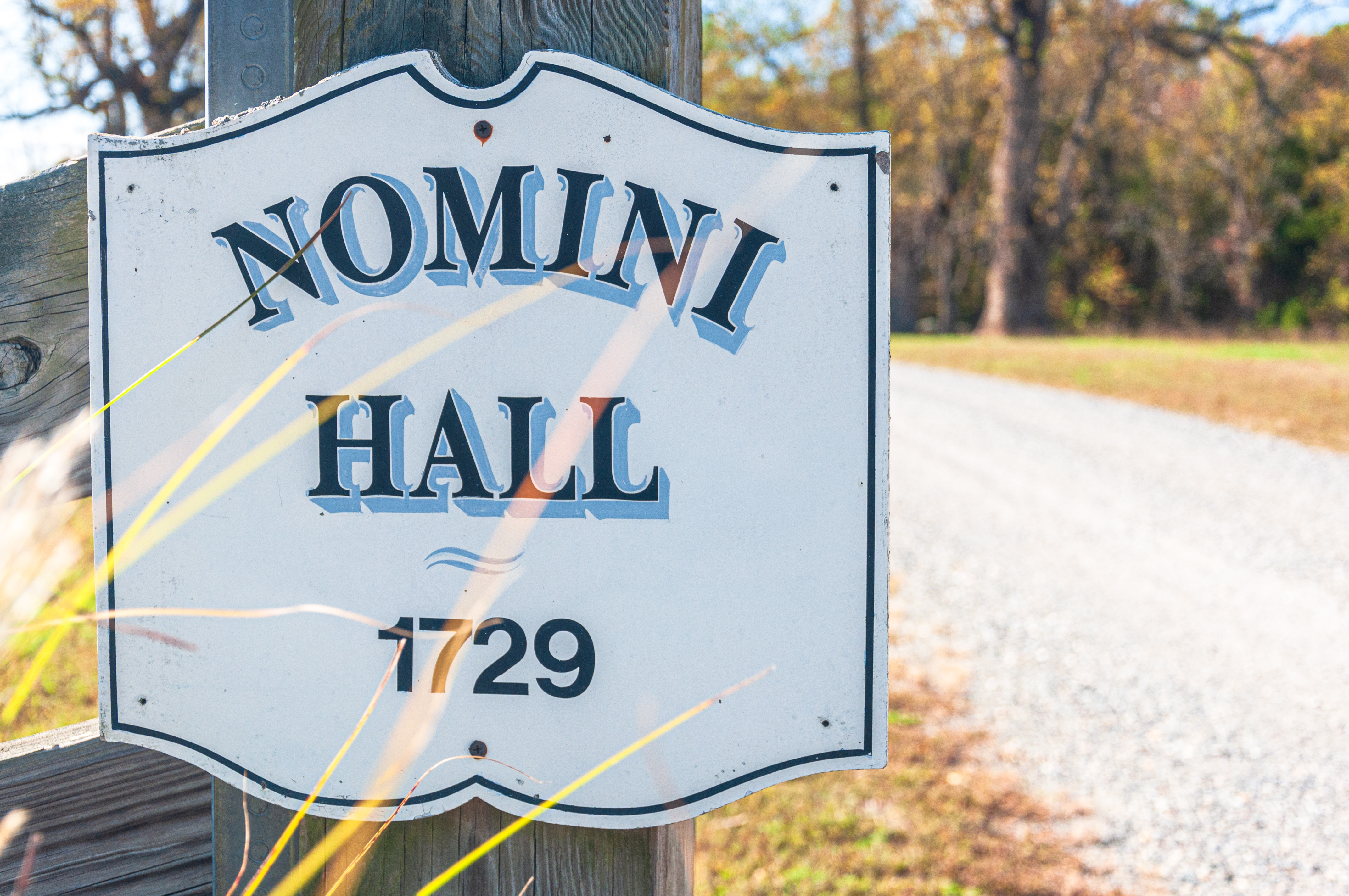
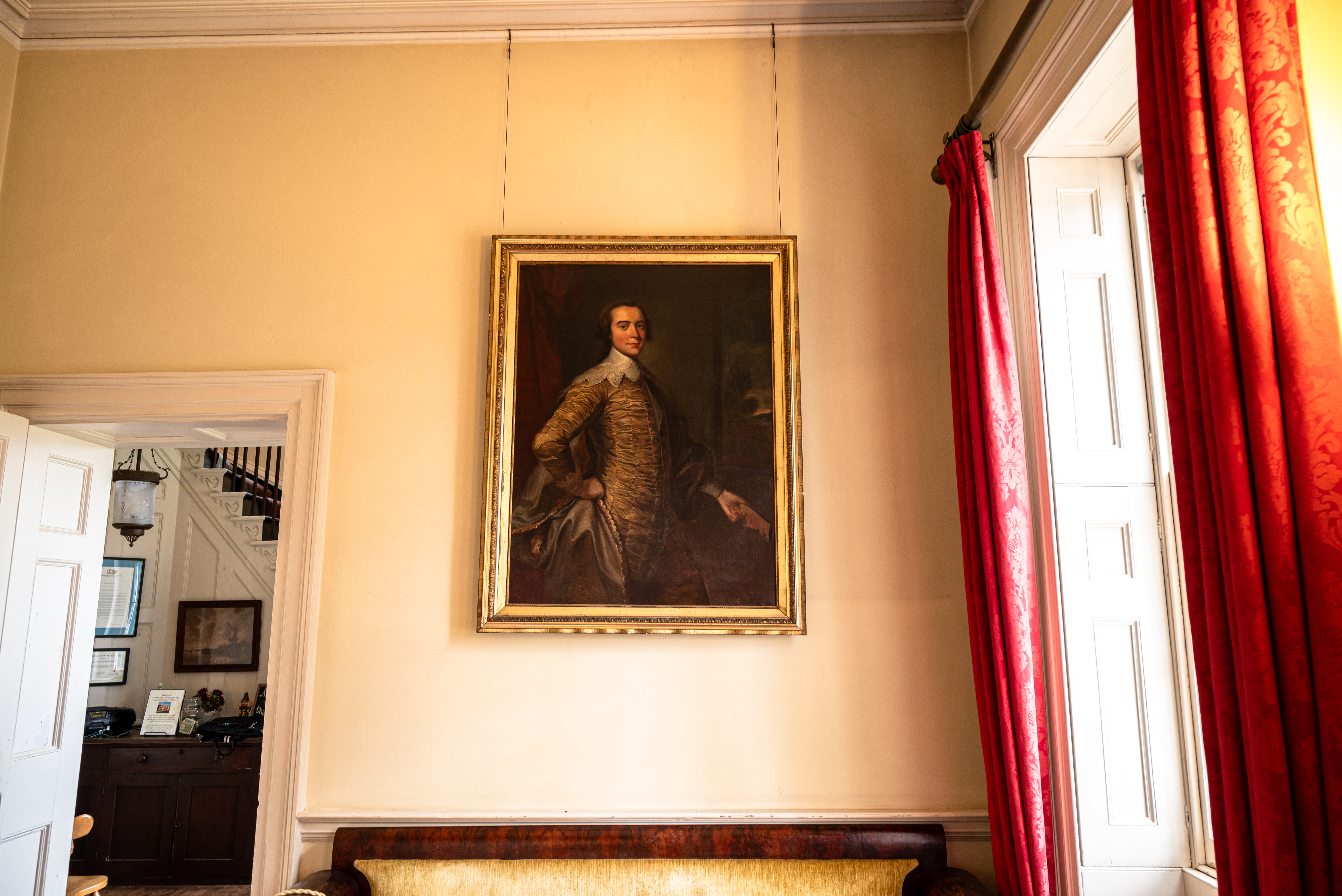
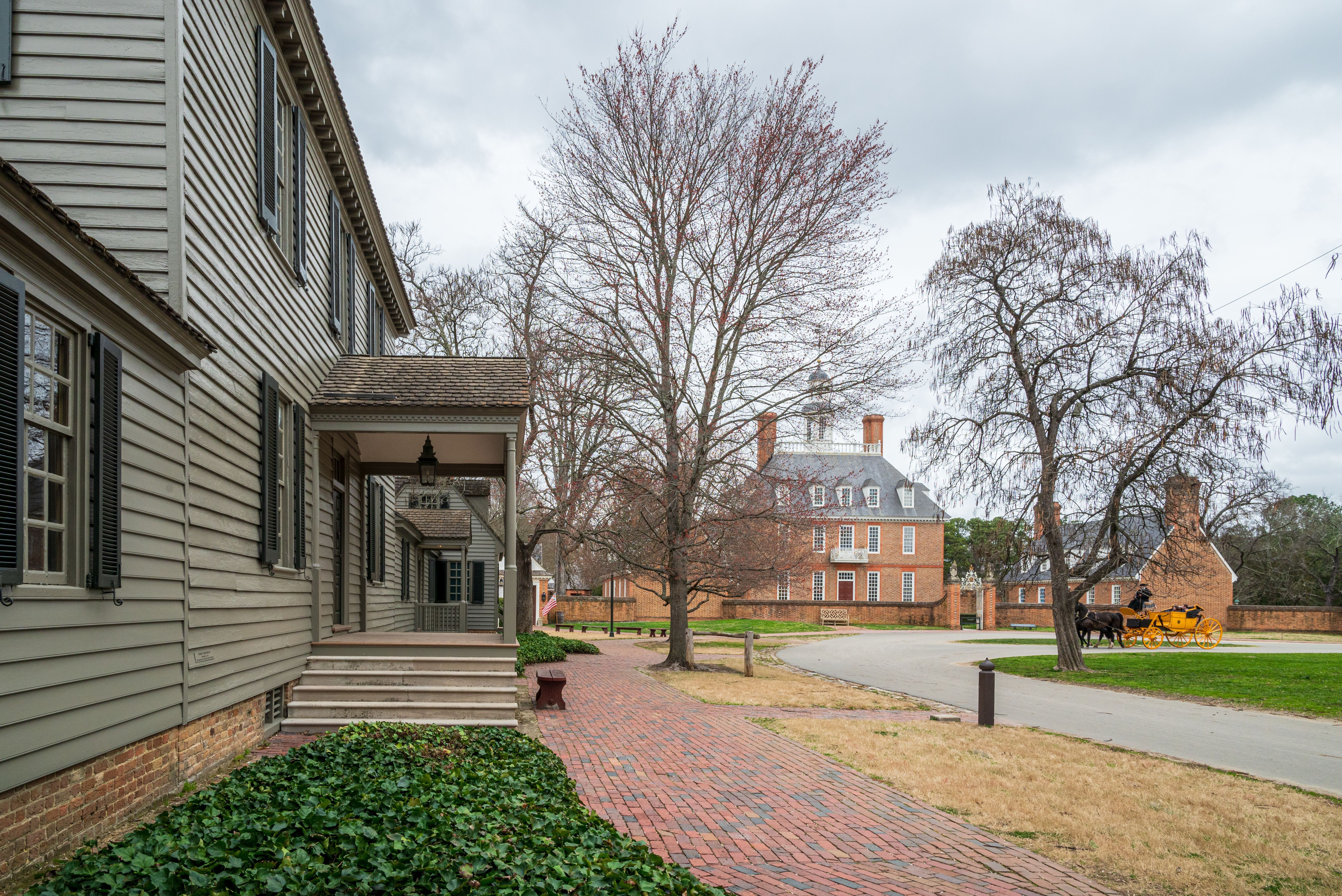
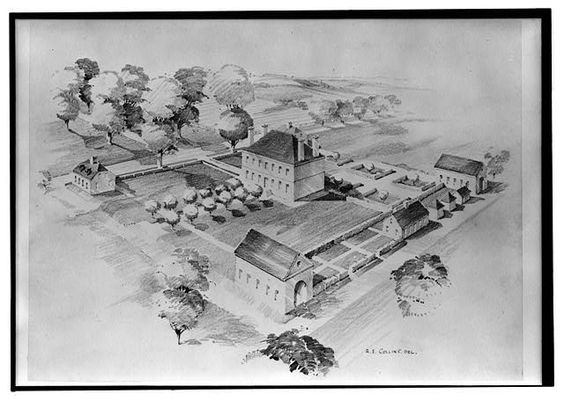
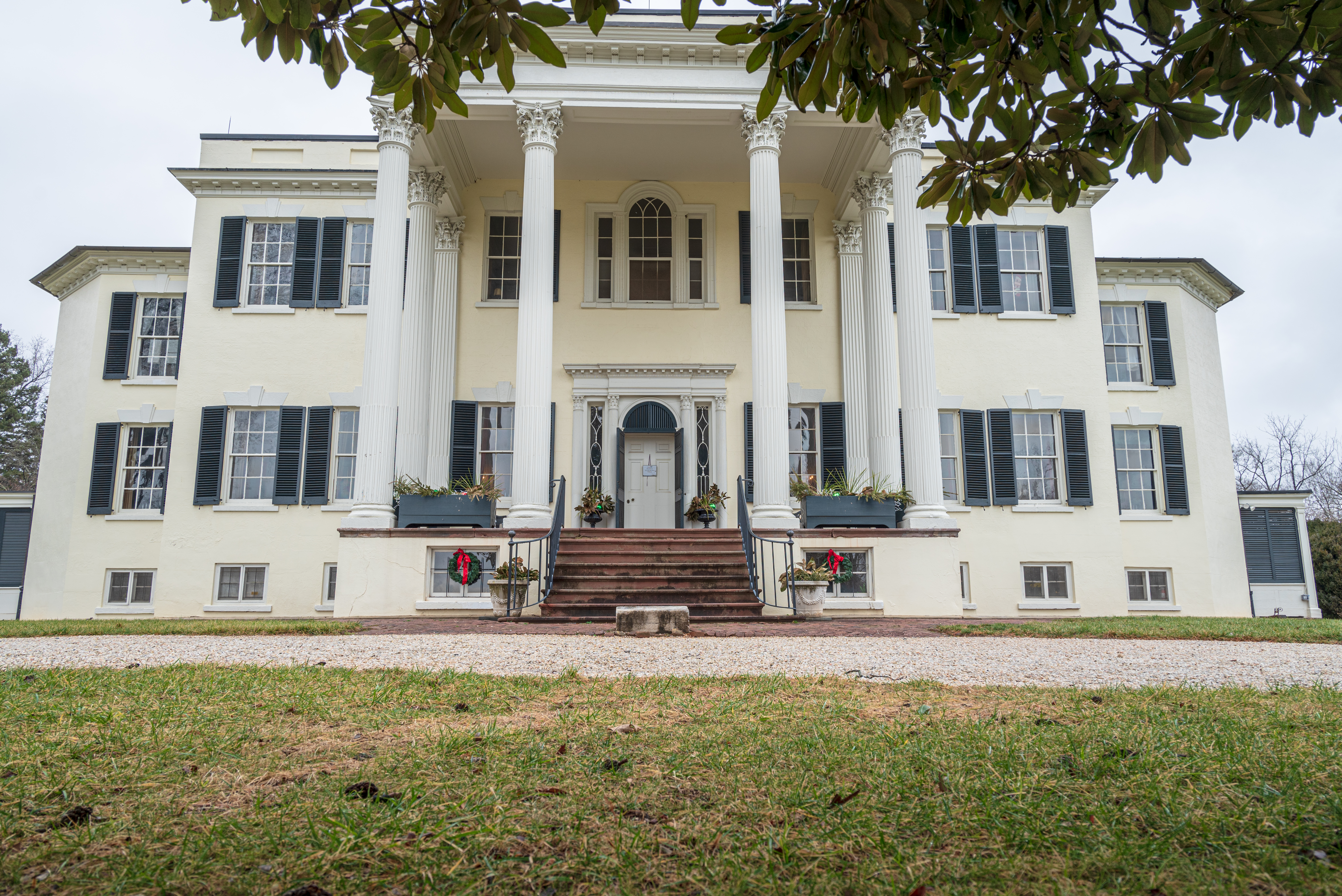
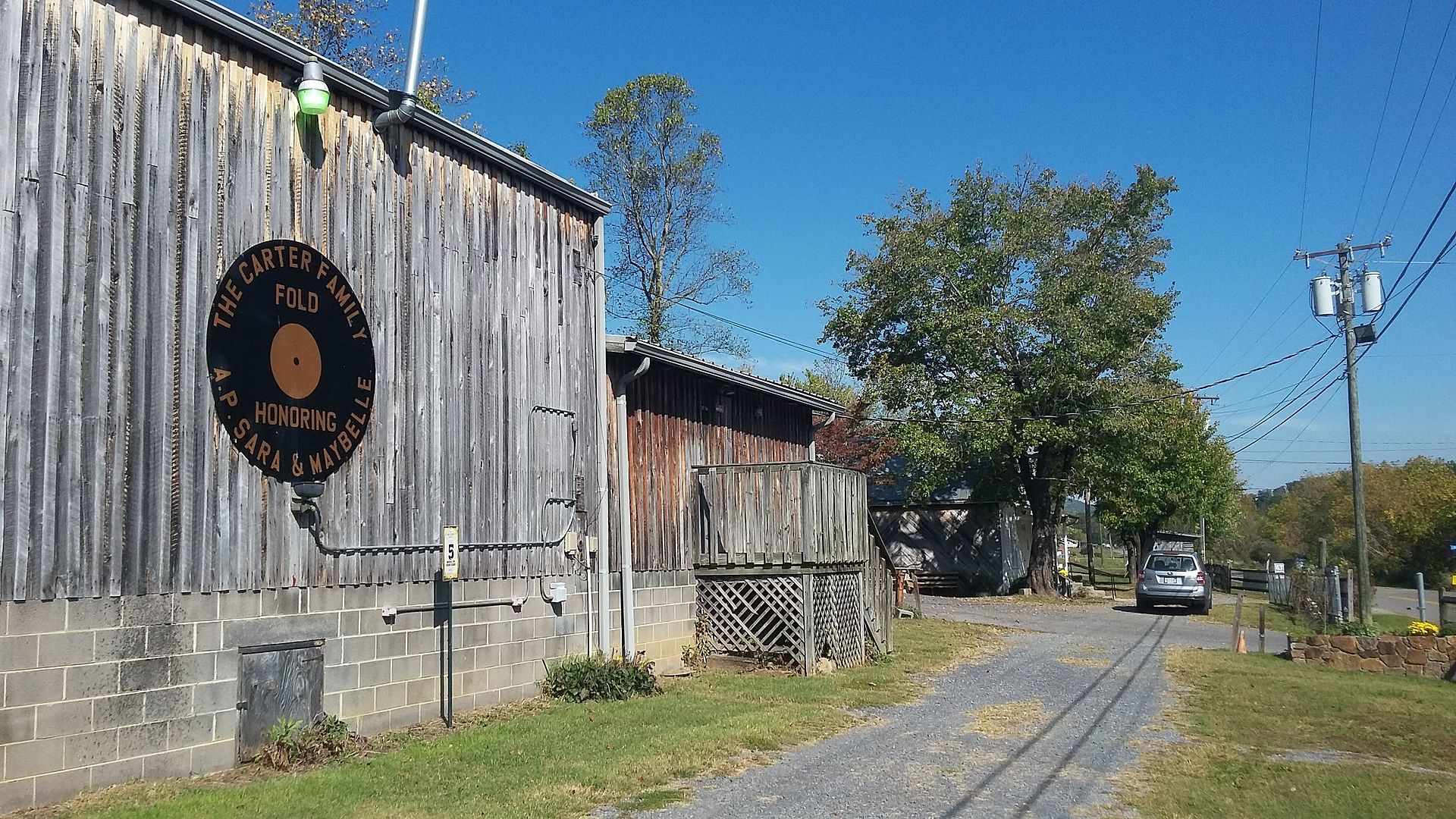
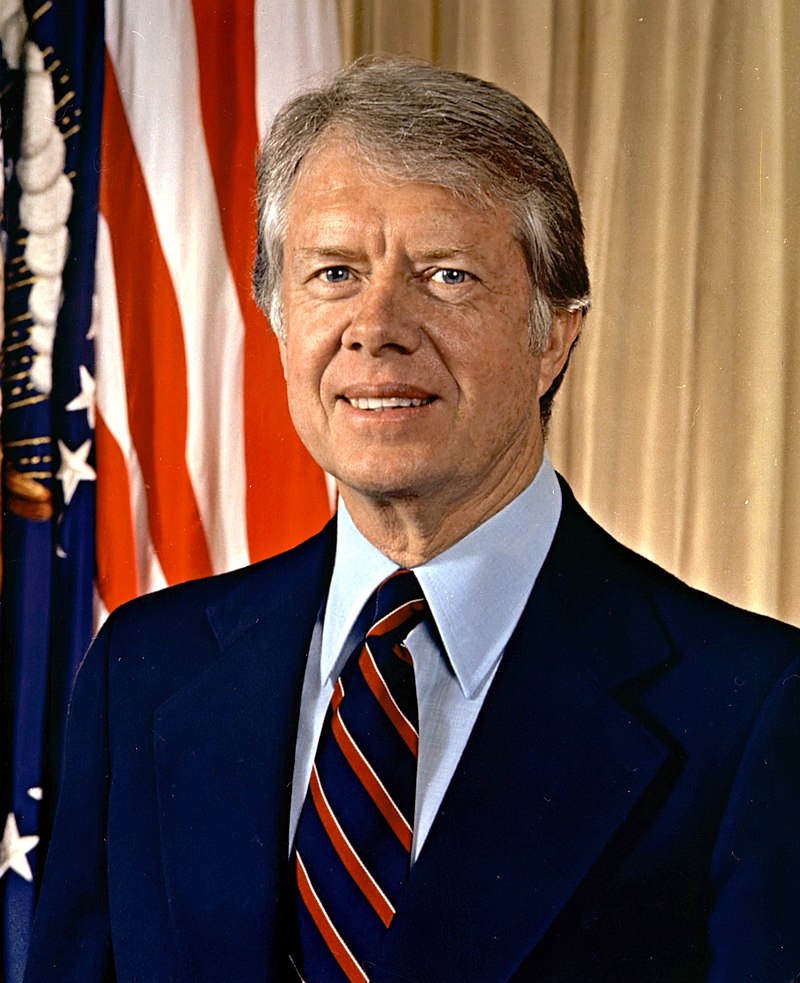
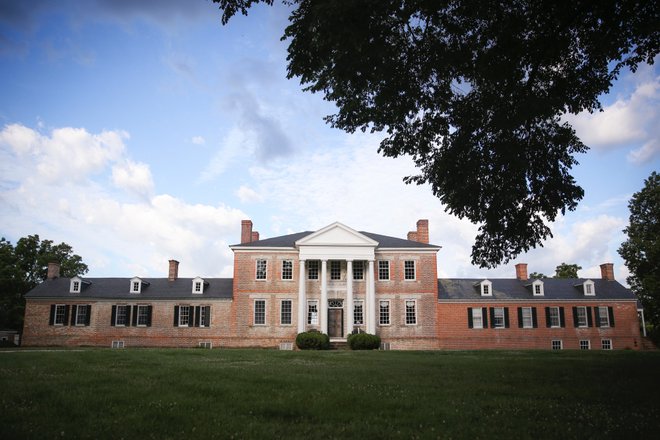
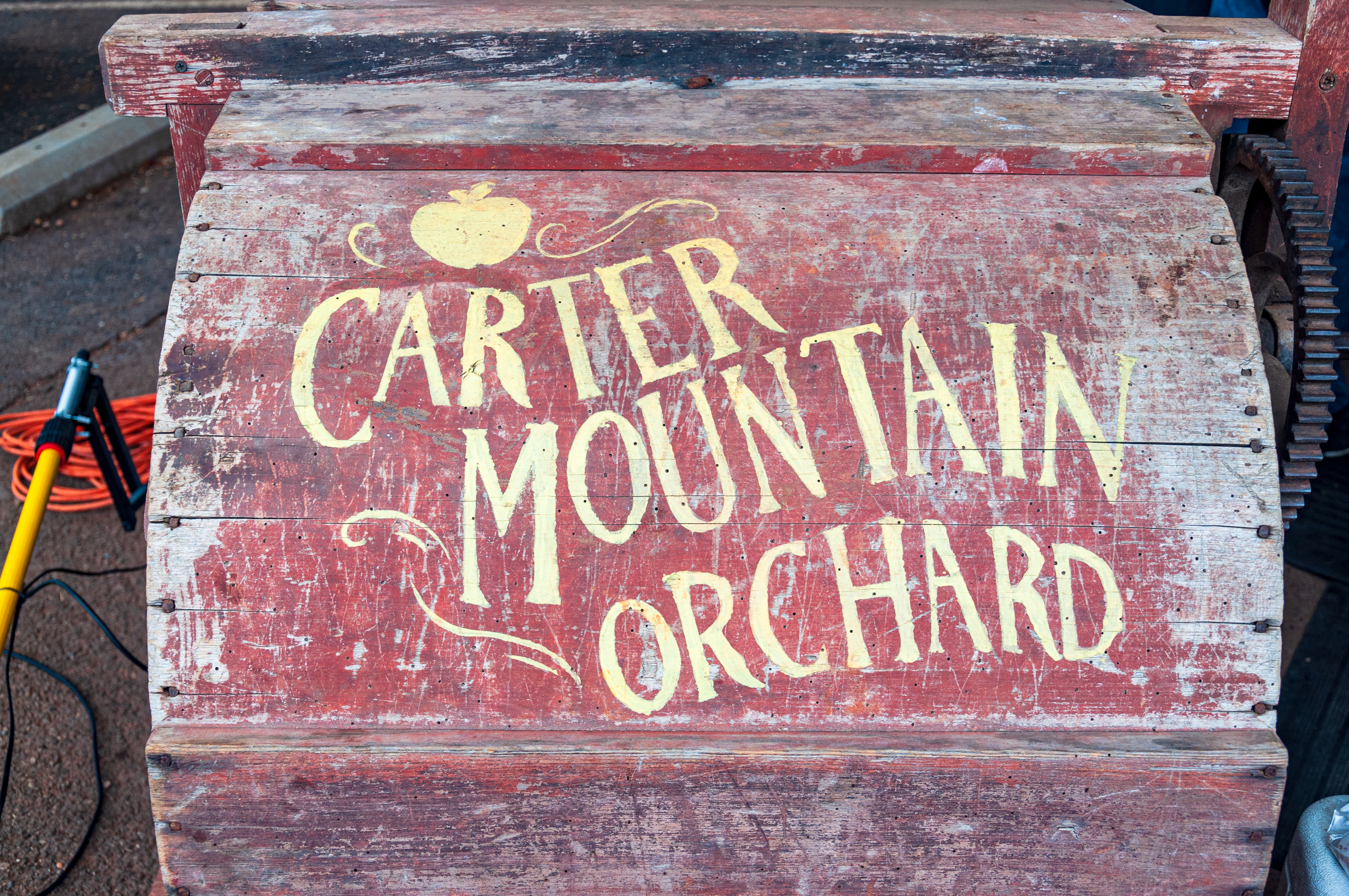
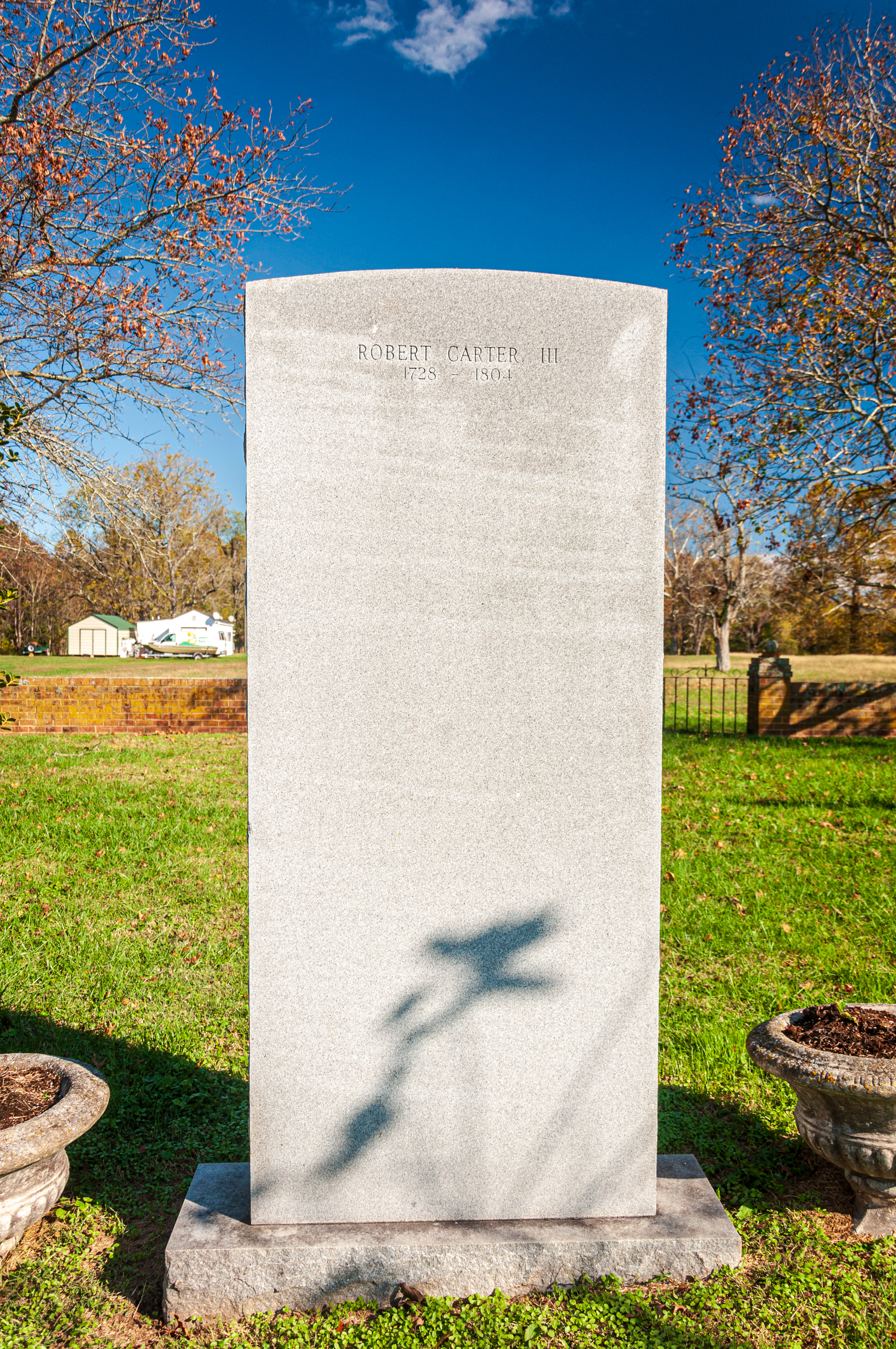
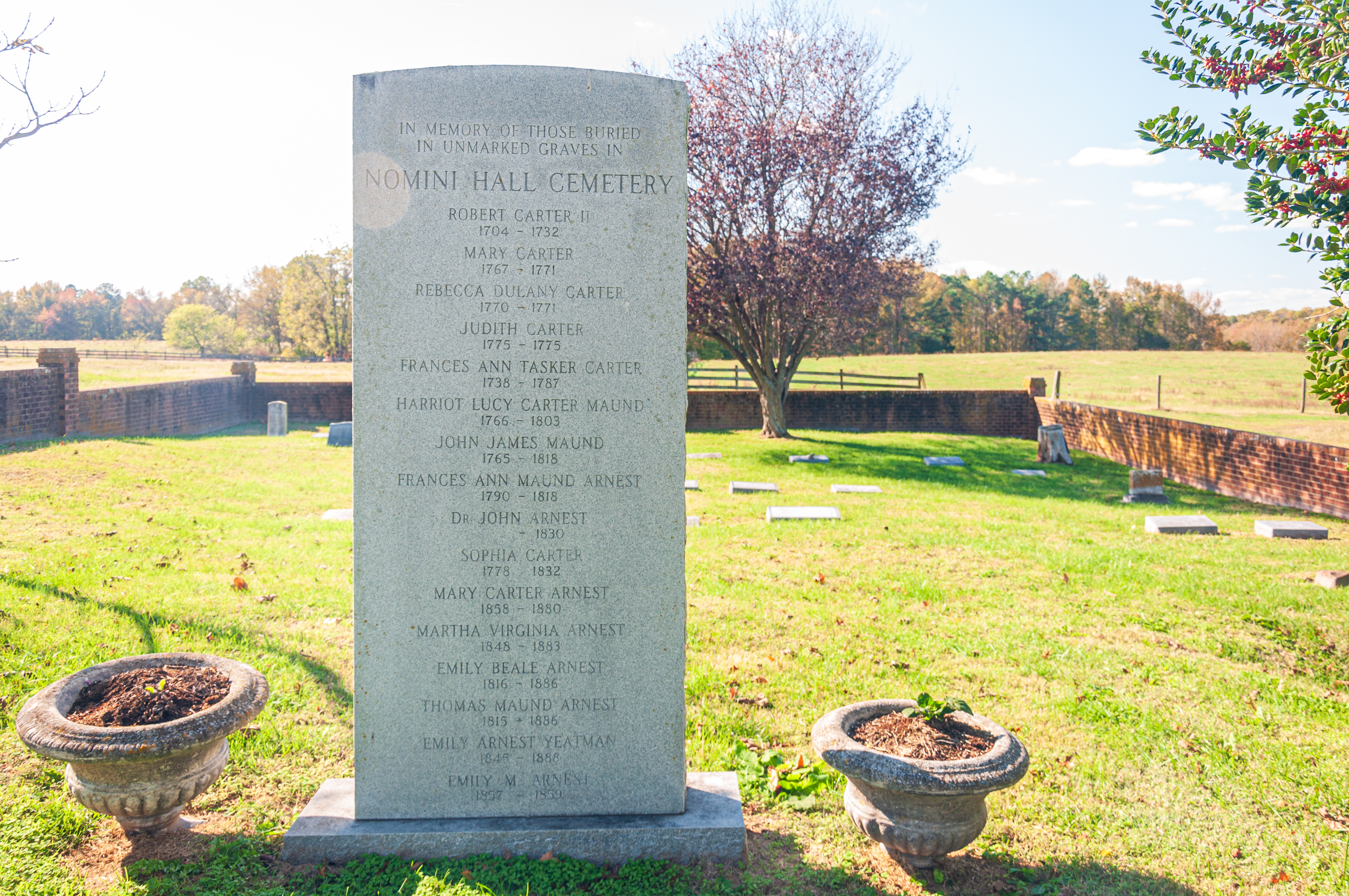
All photography used on this site is owned and copyrighted by the author unless otherwise noted. The Featured Image is of the Carter Family Crest. The gallery from top left to bottom right – 1. Robert Carter III Gravestone at Nomini Hall 2. Carter Family Marker at Nomini Hall 3. Nomini Hall Marker 4. Historic Marker at Heathsville commemorating Carter’s Deed of Gift 5. Robert Carter III Portrait at Oatlands 6. Carter’s Deed of Gift 7. Carter’s Grove Plantation 8. Robert Carter III House at Colonial Williamsburg 9. George and Elizabeth Carter Portraits at Oatlands 10. Nomini Hall Sketch 11. Historic Oatlands Plantation 12. Carter Family Fold 13. President Jimmy Carter 14. Blenheim Vineyards 15. Nanzatico 16. Sabine Hall 17. Carter Mountain 18. Shirley Plantation


Music used for this episode – Louis Armstrong and the Mills Brothers,”Carry Me Back to Old Virginia” available on Apple Music, and “Keep on the Sunny Side” by The Carter Family, also available on Apple Music.

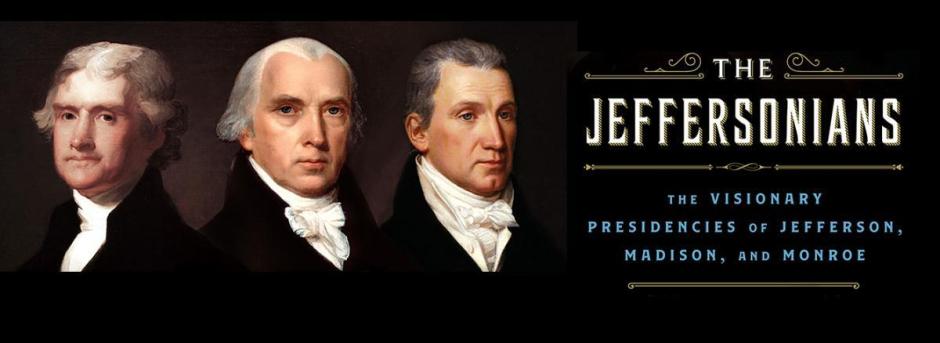
The Jeffersonians – Dr. Kevin Gutzman Interview

Few eras, if any, were more influential in American History than the period between 1800 and 1824. Dr. Kevin Gutzman focuses upon this period in his newest book, The Jeffersonians: The Visionary Presidencies of Jefferson, Madison, and Monroe.

Most writers separate this period at least into two sections, 1800-1815, and then 1815-1824. Even more historians chop the era into 3 separate chunks based upon each presidential administration. In so doing, those works focus largely upon the man occupying the Presidential office, but Dr. Gutzman has a different focus in his work.

The Jeffersonians were more than just the three Presidents dominating this era. They were followers of a visionary ideal set forth from a list of principles largely derived from Thomas Jefferson’s First Inaugural Address. Those principles governed domestic, foreign, economic, and judicial policies during the only era in which three men from the same party were elected to two successive terms each.

Such was the Jeffersonian dominance that the main political opposition, the Federalist Party, ceased to exist before the era ended. But the Jeffersonian era wasn’t without controversy. Most opposition to the Jeffersonian vision came from judicial review. Madison’s administration, however, added economic and foreign policy debacles that should have at the very least undone his tenure. Still, opinion remained rather favorable even when opposition arose from the Hartford Convention that formed in order to address Madison’s mismanagement.

Favor turned into the Era of Good Feelings as Monroe’s administration was called. The young United States grew, people were genuinely happy with Monroe’s leadership, and his political appointments executed their respective jobs with aplomb. Yet, when Monroe’s time ended, so too did the Jeffersonian era. Perhaps that is not correct, given that successive generations still viewed the Jeffersonian vision admirably, but with Monroe’s retirement, an era most definitely ended.

Soon, some of the old Federalists morphed into new political parties, chief of whom were the Whigs, and many from the Jeffersonian camp were supplanted by Jackson’s newer vision. All of the movers involved in this post-Jeffersonian Era, however, found their beginning during the 24 year period dominated by the close-knit Virginian Presidents. As such, they all had been influenced by the Jeffersonians. For this reason and so many others the Jeffersonian Era is vitally important to American understanding, and Dr. Gutzman’s work illustrates the period with prescient skill, making his book a must read for scholars and enthusiasts alike.

LINKS TO THE PODCAST:

Dr. Gutzman’s Books:

Special Links:


All photography used on this site is owned and copyrighted by the author unless otherwise noted. The Featured Image is of The Jeffersonians.

Music used for this episode – Louis Armstrong and the Mills Brothers,”Carry Me Back to Old Virginia” available on Apple Music, and Selections from the “Appalachian Spring Suite” by Aaron Copeland, performed by the New York Philharmonic, conducted by Leonard Bernstein.

First Families of Virginia – The Carters, Part 2

No one dominated Virginia between Governor Berkeley and the American War for Independence more completely than Robert “King” Carter. His presence could be felt in every facet.

Carter reigned supreme economically in that he purchased and sold more land than anyone else. He used that land not only for tobacco, but also many other ventures including agriculture, mining, and other schemes. These projects were so successful that after Carter’s death, his proprietor, Lord Fairfax, decided that he had to move to Virginia himself and take over the family business.

Politically, few rivaled Carter, and none save perhaps James Blair, reigned supreme for so long. Carter won most of his battles, and in the end even served to write and rewrite many of Virginia’s laws. Those who dared to oppose him often lost in spectacular ways, such as when Governor ran afoul of many leading colonists. Carter’s heavy influence certainly helped sway the Crown’s decision in removing the erstwhile Nicholson.

As dominant as Carter was both economically and politically, he left a far more enduring legacy with his large family. Robert married twice, fathered 15 children, and more than 60 grandchildren. Carter made sure that this vast progeny married well and received desirable bequests from his more than 60 page will. Those bequests set his descendants in high positions of influence for many generations, even influencing the United States still today. Such was the vast shadow that Carter cast that in some instances it can still be felt, both good and bad, today.

LINKS TO THE PODCAST:

SOURCES:

  1. Billings, Warren M.; Selby, John E.; and Tate, Thad W. Colonial Virginia: A History. White Plains, NY: KTO Press. 1986.
  2. Billings, Warren M. Sir William Berkeley and the Forging of Colonial Virginia. Baton Rouge, LA: LSU Press, 2004.
  3. Billings, Warren. A Little Parliament: The Virginia General Assembly in the Seventeenth Century. Richmond, VA: Library of Virginia, 2004.
  4. Brown, Katherine L. Robert “King” Carter: Builder of Christ Church. Irvington, VA: Historic Christ Church Heritage Books, 2001.
  5. Bruce, Phillip Alexander. Social Life of Virginia in the Seventeenth Century: An Inquiry into the Origin of the Higher Planting Class. New York: JP Bell Company, 1927.
  6. Currer-Briggs, Noel. The Carters of Virginia: Their English Ancestry. Shopwyke Hall, Chichester, Sussex, England: Phillimore, 1979.
  7. Dabney, Virginius. Virginia: The New Dominion, A History from 1607 to the Present. Charlottesville, VA: University of Virginia Press, 1971.
  8. Dowdey, Clifford. The Virginia Dynasties: The Emergence of “King” Carter and the Golden Age. New York: Bonanza Books, 1969.
  9. Dowdey, Clifford. The Golden Age: A Climate for Greatness, 1732-1775. New York: Little Brown, 1970.
  10. Evans, Emory G. A “Topping People”: The Rise and Decline of Virginia’s Old Political Elite, 1680-1790. Charlottesville, VA: UVA Press, 2009.
  11. Fischer, David Hackett. Albion’s Seed: Four British Folkways in America (America: a cultural history). Oxford: Oxford University Press, 1989.
  12. Freeman, Douglas Southall. George Washington: A Biography. New York: Charles Scribners, 1957. (Specifically Volume 1).
  13. Horn, James. Adapting to A New World: English Society in the Seventeenth-Century Chesapeake. Chapel Hill, NC: University of North Carolina Press, 1994.
  14. Mapp, Alfred J. Virginia Experiment: The Old Dominion’s Role in the Making of America, 1607-1781Lincoln, NE: iUniverse, Inc., 2006.
  15. McCartney, Martha W. Virginia Immigrants and Adventurers: A Biographical Dictionary, 1607-1635. Baltimore, MD: Genealogical Publishing Co., 2007.
  16. Meade, William. Old Churches, Ministers and Families of Virginia. in Two Volumes. Philadelphia: J.B. Lippincott, 1891.
  17. Neill, Edward D. Virginia Carolorum: The Colony under the Rule of Charles The First and Second, A.D. 1625-A.D. 1685. Albany, NY: Joel Munsell’s and Sons, 1886.
  18. Pecquet du Bellet, Louise. Some Prominent Virginia Families, 4 Volumes. Lynchburg, VA:  J.P. Bell Company, 1907.
  19. Rothbard, Murray N. Conceived in Liberty. Auburn, AL: Ludwig Von Mises Institute, 1999.
  20. Tyler, Lyon Gardiner. The Cradle of the Republic: Jamestown and the James River. Richmond, VA: The Hermitage Press, 1906.
  21. Walsh, Lorena S. Motives of Honor, Pleasure, and Profit: Plantation Management in the Colonial Chesapeake, 1607-1763. Chapel Hill, NC: University of North Carolina Press, 2010.
  22. Washburn, Wilcomb E. Virginia Under Charles I and Cromwell 1625-1660. Kindle Edition.
  23. Wertenbaker, Thomas Jefferson. Virginia Under the Stuarts: 1607-1688. New York: Russell and Russell, 1959.
  24. Wertenbaker, Thomas Jefferson. The Planters of Colonial Virginia. Kindle Edition.
  25. Captain Thomas Carter and His Descendants: By One of Them, Dr. Joseph Lyon Miller, Thomas, West Virginia.” The William and Mary Quarterly 17, no. 4 (1909): 275–85.
  26. Carter Ancestry.The William and Mary Quarterly 9, no. 1 (1900): 34–37.
  27. Miller, Lyon. “Carter Genealogy.The William and Mary Quarterly 18, no. 1 (1909): 47–58.
  28. Miller, Lyon. “Carter Genealogy.The William and Mary Quarterly 18, no. 2 (1909): 89–103.
  29. Jos. Lyon Miller. “Carter Genealogy.The William and Mary Quarterly 18, no. 4 (1910): 235–43.
  30. Jos. L. Miller. “Carter Genealogy.The William and Mary Quarterly 19, no. 2 (1910): 116–37.
  31. Miller, Joseph L. “Carter Genealogy.The William and Mary Quarterly 19, no. 3 (1911): 184–94.
  32. Jos. L. Miller. “Carter Genealogy.The William and Mary Quarterly 20, no. 1 (1911): 38–51.
  33. The Fairfax Granthttp://www.vaplaces.org
  34. The Proprietors of the Northern Neck: Leeds Castlehttp://www.culpepperconnections.com

SPECIAL LINKS:

All photography used on this site is owned and copyrighted by the author unless otherwise noted. The Featured Image is of the Carter Family Crest.

Music used for this episode – Louis Armstrong and the Mills Brothers,”Carry Me Back to Old Virginia” available on Apple Music, and “The Storms Are on the Ocean” by The Carter Family, also available on Apple Music.

Virginia’s Important Ghost Stories – Dr. Alena Pirok Interview

Halloween brings out a series of ghost tours throughout Virginia from Colonial Williamsburg to Alexandria, Fredericksburg, Portsmouth, and so on. But such tours have only become popular recently. They’re popular, and draw large crowds to Virginia’s many famous sites, but why were such tours frowned upon for so long?

Dr. Alena Pirok joins me to discuss Ghost Stories and their importance to Colonial Williamsburg as well as Virginia. She details how Ghost Stories influenced Colonial Williamsburg’s founding, as well as how Virginian’s have viewed ghosts historically. Her new book reveals just how important those stories were and still are to the Commonwealth. Without them, Virginia’s tourist industry would never be the same. In fact, those frowned upon stories paved the way for the largest history museum in the world’s creation. They might even ensure that such places continue to endure well into the future.

LINKS TO THE PODCAST:

LINKS TO DR. PIROK’S WORK:

VISIT CW:


All photography used on this site is owned and copyrighted by the author unless otherwise noted. The featured image is Dr. Pirok’s new book.

Music used for this episode – Louis Armstrong and the Mills Brothers,”Carry Me Back to Old Virginia” available on iTunes, and Kevin MacLeod “Vanished” found on Soundcloud.

First Families of Virginia – The Wormeleys

SOURCES:

  1. Billings, Warren M.; Selby, John E.; and Tate, Thad W. Colonial Virginia: A History. White Plains, NY: KTO Press. 1986.
  2. Billings, Warren M. Sir William Berkeley and the Forging of Colonial Virginia. Baton Rouge, LA: LSU Press, 2004.
  3. Billings, Warren. A Little Parliament: The Virginia General Assembly in the Seventeenth Century. Richmond, VA: Library of Virginia, 2004.
  4. Bruce, Phillip Alexander. Social Life of Virginia in the Seventeenth Century: An Inquiry into the Origin of the Higher Planting Class. New York: JP Bell Company, 1927.
  5. Dabney, Virginius. Virginia: The New Dominion, A History from 1607 to the Present. Charlottesville, VA: University of Virginia Press, 1971.
  6. Evans, Emory G. A “Topping People”: The Rise and Decline of Virginia’s Old Political Elite, 1680-1790. Charlottesville, VA: UVA Press, 2009.
  7. Fischer, David Hackett. Albion’s Seed: Four British Folkways in America (America: a cultural history). Oxford: Oxford University Press, 1989.
  8. Freeman, Douglas Southall. George Washington: A Biography. New York: Charles Scribners, 1957. (Specifically Volume 1).
  9. Graves, Donet D. “An Early Black Family’s Life in Lafayette Park.” White House Historical Association, June 5, 2020.
  10. Horn, James. Adapting to A New World: English Society in the Seventeenth-Century Chesapeake. Chapel Hill, NC: University of North Carolina Press, 1994.
  11. Mapp, Alfred J. Virginia Experiment: The Old Dominion’s Role in the Making of America, 1607-1781Lincoln, NE: iUniverse, Inc., 2006.
  12. McCartney, Martha W. Virginia Immigrants and Adventurers: A Biographical Dictionary, 1607-1635. Baltimore, MD: Genealogical Publishing Co., 2007.
  13. Meade, William. Old Churches, Ministers and Families of Virginia. in Two Volumes. Philadelphia: J.B. Lippincott, 1891.
  14. Neill, Edward D. Virginia Carolorum: The Colony under the Rule of Charles The First and Second, A.D. 1625-A.D. 1685. Albany, NY: Joel Munsell’s and Sons, 1886.
  15. Pecquet du Bellet, Louise. Some Prominent Virginia Families, 4 Volumes. Lynchburg, VA:  J.P. Bell Company, 1907.
  16. Poston, Jonathan H. Ralph Wormeley V of Rosegill: A Deposed Virginia Aristocrat, 1774-1781. Master’s Thesis. Williamsburg, VA: College of William and Mary, 1979.
  17. Rothbard, Murray N. Conceived in Liberty. Auburn, AL: Ludwig Von Mises Institute, 1999.
  18. Tyler, Lyon Gardiner. The Cradle of the Republic: Jamestown and the James River. Richmond, VA: The Hermitage Press, 1906.
  19. Walsh, Lorena S. Motives of Honor, Pleasure, and Profit: Plantation Management in the Colonial Chesapeake, 1607-1763. Chapel Hill, NC: University of North Carolina Press, 2010.
  20. Washburn, Wilcomb E. Virginia Under Charles I and Cromwell 1625-1660. Kindle Edition.
  21. Wertenbaker, Thomas Jefferson. Virginia Under the Stuarts: 1607-1688. New York: Russell and Russell, 1959.
  22. Wertenbaker, Thomas Jefferson. The Planters of Colonial Virginia. Kindle Edition.
  23. Wormley, Nick and Wormley, Kevin. Wormley Family History. Online Book and Database.
  24. “The Wormeley Family.” The Virginia Magazine of History and Biography 35, no. 4 (1927): 455–56. http://www.jstor.org/stable/4244177.
  25. “The Wormeley Family (Continued).” The Virginia Magazine of History and Biography 36, no. 1 (1928): 98–101. http://www.jstor.org/stable/4244188.
  26. “The Wormeley Family (Continued).” The Virginia Magazine of History and Biography 36, no. 3 (1928): 283–93. http://www.jstor.org/stable/4244221.
  27. “The Wormeley Family (Continued).” The Virginia Magazine of History and Biography 36, no. 4 (1928): 385–88. http://www.jstor.org/stable/4244233.
  28. “The Wormeley Family (Concluded).” The Virginia Magazine of History and Biography 37, no. 1 (1929): 82–86. http://www.jstor.org/stable/4244250.
  29. Wormley Family. Papers, 1773-1991 (bulk 1880-1960). Accession 42649. Personal papers collection, The Library of Virginia, Richmond, VA 23219.

All photography used on this site is owned and copyrighted by the author unless otherwise noted. The Featured Image is of the Wormeley Family Crest.

Music used for this episode – Louis Armstrong and the Mills Brothers,”Carry Me Back to Old Virginia” available on Apple Music, and “Shadow of a Man” by Neulore, also available on Apple Music.
First Families of Virginia – The Armisteads


SOURCES:

  1. Appleton, William S. The Family of Armistead of Virginia. Boston: Press of David Clapp and Son, 1899.
  2. Barnhart, Becky F. “Hesse Research” Compiled for Matthews County Historical Society Inc. March, 2006. Unpublished.
  3. Billings, Warren M.; Selby, John E.; and Tate, Thad W. Colonial Virginia: A History. White Plains, NY: KTO Press. 1986.
  4. Billings, Warren M. Sir William Berkeley and the Forging of Colonial Virginia. Baton Rouge, LA: LSU Press, 2004.
  5. Billings, Warren. A Little Parliament: The Virginia General Assembly in the Seventeenth Century. Richmond, VA: Library of Virginia, 2004.
  6. Billings, Warren, and Dictionary of Virginia Biography. “John Armistead (fl. 1650s–1690s)” Encyclopedia Virginia. Virginia Humanities, (22 Dec. 2021).
  7. Bruce, Phillip Alexander. Social Life of Virginia in the Seventeenth Century: An Inquiry into the Origin of the Higher Planting Class. New York: JP Bell Company, 1927.
  8. Dabney, Virginius. Virginia: The New Dominion, A History from 1607 to the Present. Charlottesville, VA: University of Virginia Press, 1971.
  9. Dozier, Graham. “Lewis A. Armistead (1817–1863)” Encyclopedia Virginia. Virginia Humanities, (22 Dec. 2021).
  10. Evans, Emory G. A “Topping People”: The Rise and Decline of Virginia’s Old Political Elite, 1680-1790. Charlottesville, VA: UVA Press, 2009.
  11. Fischer, David Hackett. Albion’s Seed: Four British Folkways in America (America: a cultural history). Oxford: Oxford University Press, 1989.
  12. Freeman, Douglas Southall. George Washington: A Biography. New York: Charles Scribners, 1957. (Specifically Volume 1).
  13. Garber, Virginia Armistead. The Armistead Family: 1635-1910. Richmond, VA: Whittet and Shepperson Printers, 1910.
  14. Horn, James. Adapting to A New World: English Society in the Seventeenth-Century Chesapeake. Chapel Hill, NC: University of North Carolina Press, 1994.
  15. James, Clifford. “Battles That Saved America: North Point and Baltimore 1814” The National Museum of the United States Army.
  16. Mapp, Alfred J. Virginia Experiment: The Old Dominion’s Role in the Making of America, 1607-1781Lincoln, NE: iUniverse, Inc., 2006.
  17. McCartney, Martha W. Virginia Immigrants and Adventurers: A Biographical Dictionary, 1607-1635. Baltimore, MD: Genealogical Publishing Co., 2007.
  18. Meade, William. Old Churches, Ministers and Families of Virginia. in Two Volumes. Philadelphia: J.B. Lippincott, 1891.
  19. Neill, Edward D. Virginia Carolorum: The Colony under the Rule of Charles The First and Second, A.D. 1625-A.D. 1685. Albany, NY: Joel Munsell’s and Sons, 1886.
  20. Pecquet du Bellet, Louise. Some Prominent Virginia Families, 4 Volumes. Lynchburg, VA:  J.P. Bell Company, 1907.
  21. Rothbard, Murray N. Conceived in Liberty. Auburn, AL: Ludwig Von Mises Institute, 1999.
  22. Salmon, John, and Dictionary of Virginia Biography. “James Lafayette (ca. 1748–1830)” Encyclopedia Virginia. Virginia Humanities, (22 Dec. 2021).
  23. Tyler, Lyon Gardiner. The Cradle of the Republic: Jamestown and the James River. Richmond, VA: The Hermitage Press, 1906.
  24. Walsh, Lorena S. Motives of Honor, Pleasure, and Profit: Plantation Management in the Colonial Chesapeake, 1607-1763. Chapel Hill, NC: University of North Carolina Press, 2010.
  25. Washburn, Wilcomb E. Virginia Under Charles I and Cromwell 1625-1660. Kindle Edition.
  26. Wertenbaker, Thomas Jefferson. Virginia Under the Stuarts: 1607-1688. New York: Russell and Russell, 1959.
  27. Wertenbaker, Thomas Jefferson. The Planters of Colonial Virginia. Kindle Edition.
  28. “Armistead Family.” The William and Mary Quarterly 6, no. 1 (1897): 31–33. https://www.jstor.org/stable/1914798
  29. “Armistead Family.” The William and Mary Quarterly 6, no. 2 (1897): 97–102. https://www.jstor.org/stable/1915366
  30. “Armistead Family.” The William and Mary Quarterly 6, no. 3 (1898): 164–71. https://www.jstor.org/stable/1914603
  31. “Armistead Family.” The William and Mary Quarterly 6, no. 4 (1898): 226–34. https://www.jstor.org/stable/1915886
  32. “Armistead Family (Continued from Vol.VI p.226).” The William and Mary Quarterly 7, no. 1 (1898): 17–24. https://www.jstor.org/stable/1919906
  33. “Armistead Family.” The William and Mary Quarterly 7, no. 3 (1899): 181–86. https://www.jstor.org/stable/1923246
  34. “Armistead Family.” The William and Mary Quarterly 8, no. 1 (1899): 63–70. https://www.jstor.org/stable/1915807
  35. Armistead, Constance. “Armistead Family.” The William and Mary Quarterly 11, no. 2 (1902): 144–45. https://www.jstor.org/stable/1915166
  36. “Armistead Family.” The William and Mary Quarterly 14, no. 4 (1906): 282–85. https://www.jstor.org/stable/1916230
  37. “Armistead Family.” The William and Mary Quarterly 17, no. 2 (1908): 145–46. https://www.jstor.org/stable/1916059
  38. “Armistead Family.” The William and Mary Quarterly 22, no. 1 (1913): 64–67. https://www.jstor.org/stable/1915076
  39. “Armistead Family.” The William and Mary Quarterly 25, no. 2 (1916): 117–23. https://www.jstor.org/stable/1915194

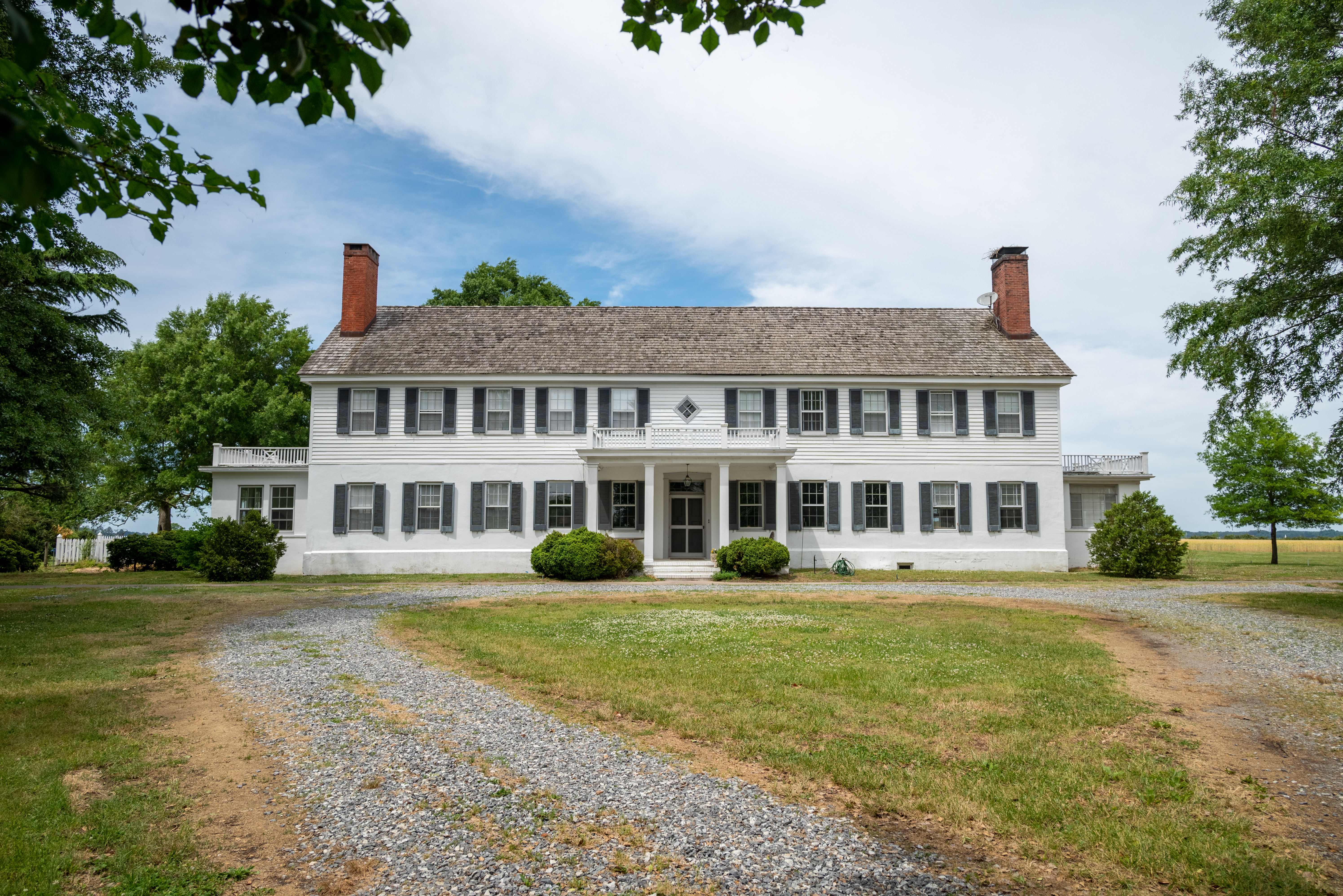
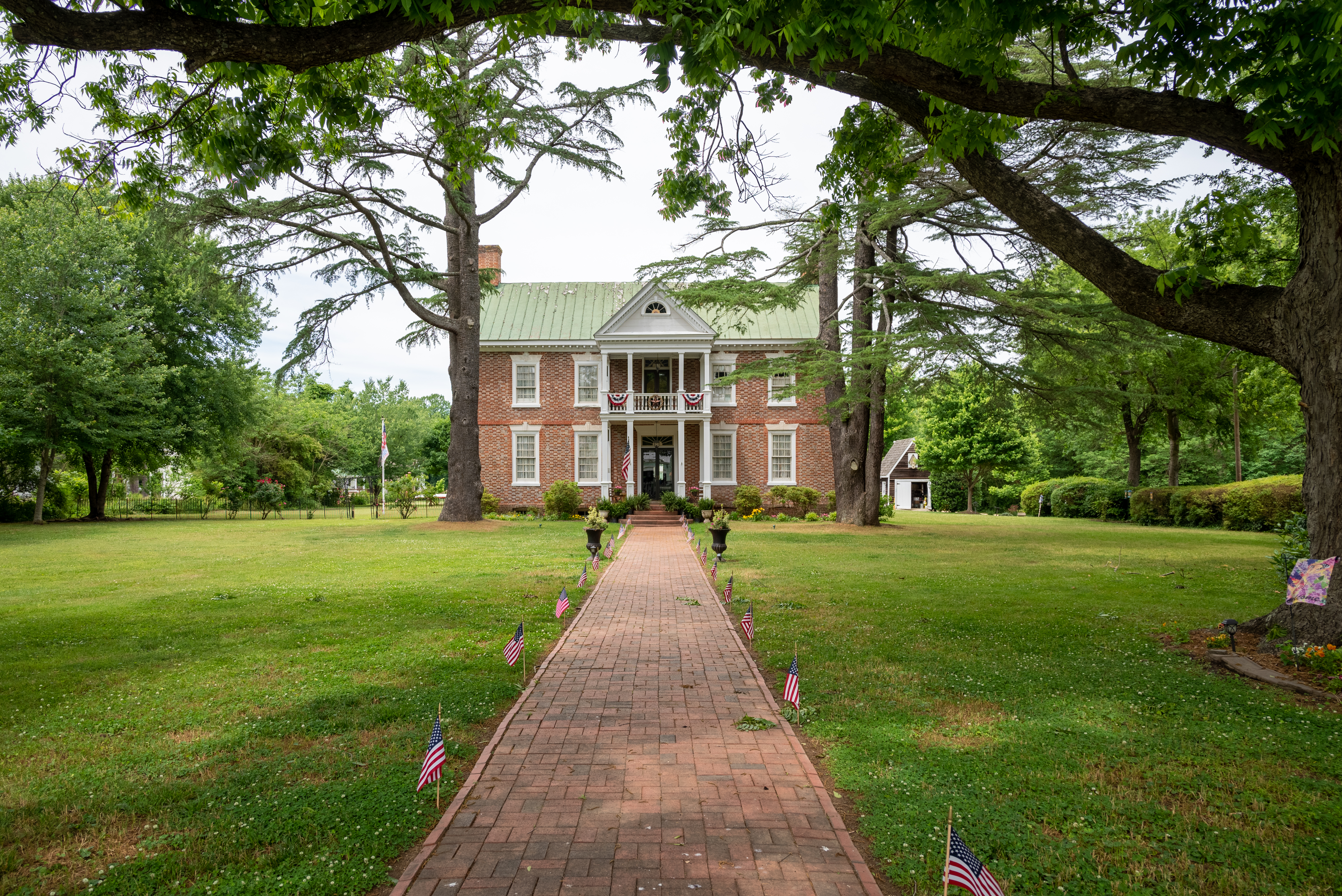
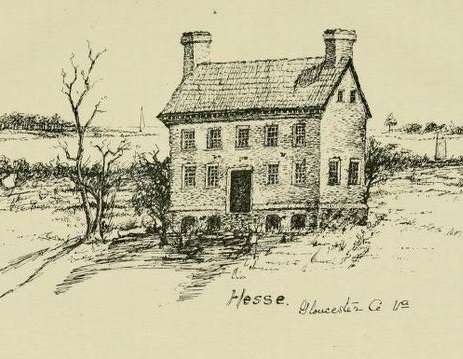
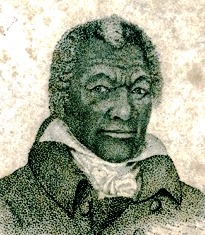
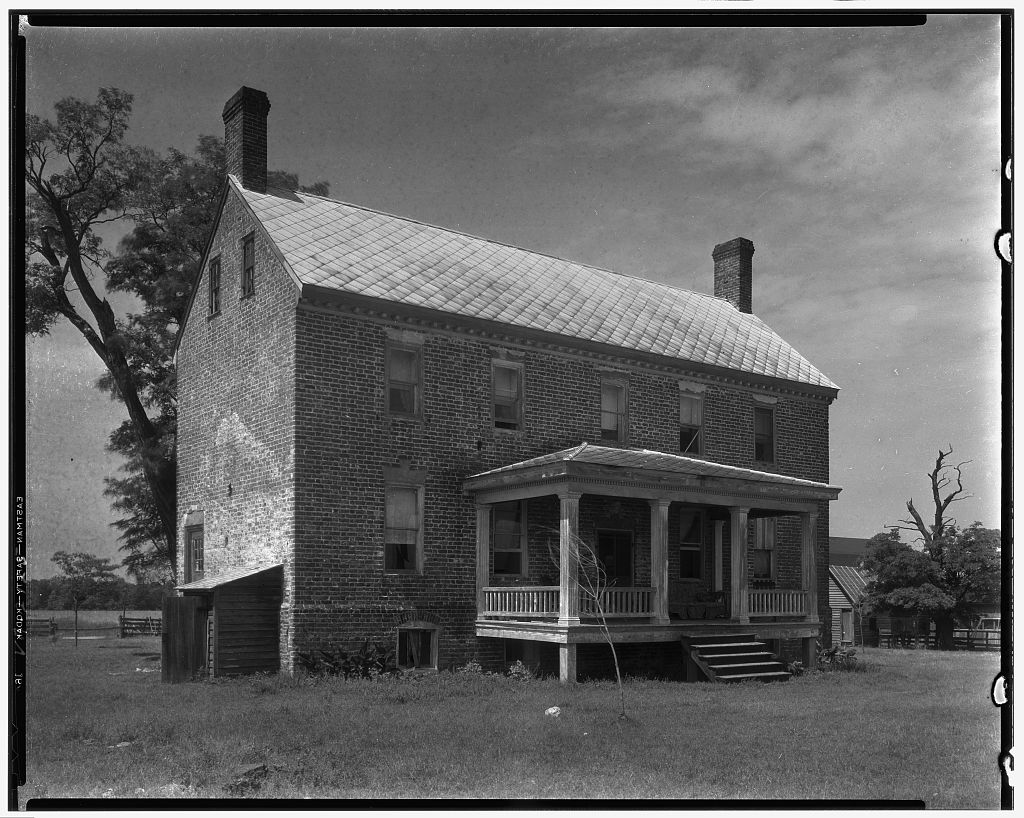
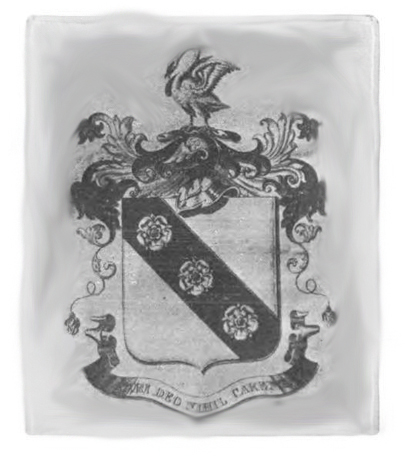
All photography used on this site is owned and copyrighted by the author unless otherwise noted. The Featured Image is of the Armistead Family Crest. Photographs from top left to bottom right – Original Hesse Drawing, James Armistead Lafayette, Hesse Plantation – 1983 Lewis Addison Armistead, Hesse Plantation 1935.

Music used for the first episode – Louis Armstrong and the Mills Brothers,”Carry Me Back to Old Virginia” available on Apple Music, and “The Crossing” performed by The East Pointers, also available on Apple Music.
First Families of Virginia – The Nelsons

It’s hard to think about Yorktown, VA without the Nelson family. In fact, one could say it another way – It’s hard to think about the Nelson family without Yorktown. They were so instrumental in creating the once prominent port city that they’ve often been called the city’s founders. Whether they were or not is debatable, but what is not debatable is that Yorktown as we know it would not have existed.

“Scotch Tom” emigrated to Virginia in the early 18th Century, began many businesses, and established a solid foundation for his descendants in the process.

Those descendants became major figures that shaped Virginia and then the United State’s History. Undoubtedly that history would be quite different had this important family not existed, which is why the Nelson’s must be discussed.


SOURCES:

  1. Billings, Warren M.; Selby, John E.; and Tate, Thad W. Colonial Virginia: A History. White Plains, NY: KTO Press. 1986.
  2. Billings, Warren M. Sir William Berkeley and the Forging of Colonial Virginia. Baton Rouge, LA: LSU Press, 2004.
  3. Billings, Warren. A Little Parliament: The Virginia General Assembly in the Seventeenth Century. Richmond, VA: Library of Virginia, 2004.
  4. Bruce, Phillip Alexander. Social Life of Virginia in the Seventeenth Century: An Inquiry into the Origin of the Higher Planting Class. New York: JP Bell Company, 1927.
  5. Dabney, Virginius. Virginia: The New Dominion, A History from 1607 to the Present. Charlottesville, VA: University of Virginia Press, 1971.
  6. Evans, Emory G. A “Topping People”: The Rise and Decline of Virginia’s Old Political Elite, 1680-1790. Charlottesville, VA: UVA Press, 2009.
  7. Evans, Emory G.,  Thomas Nelson of Yorktown: Revolutionary Virginian . Williamsburg, Va.: Colonial Williamsburg Foundation; Charlottesville: Distributed by the University Press of Virginia, 1975.
  8. Evans, Emory G., The Nelsons: A biographical Study of a Virginia Family in the Eighteenth Century. Ann Arbor, Michigan: UMI Dissertation Services. (A Dissertation Presented to the Graduate Faculty of the University of Virginia in Candidacy for the Degree of Doctor of Philosophy by Emory G. Evans, B.A., M.A., Corcoran Department of History, University of Virginia, 1957.
  9. Fischer, David Hackett. Albion’s Seed: Four British Folkways in America (America: a cultural history). Oxford: Oxford University Press, 1989.
  10. Freeman, Douglas Southall. George Washington: A Biography. New York: Charles Scribners, 1957. (Specifically Volume 1).
  11. Hayes, Laura. “Wives of the Signers: Lucy Grymes Nelson.” Descendents of the Signers of the Declaration of Independence.
  12. Horn, James. Adapting to A New World: English Society in the Seventeenth-Century Chesapeake. Chapel Hill, NC: University of North Carolina Press, 1994.
  13. Mapp, Alfred J. Virginia Experiment: The Old Dominion’s Role in the Making of America, 1607-1781Lincoln, NE: iUniverse, Inc., 2006.
  14. McCartney, Martha W. Virginia Immigrants and Adventurers: A Biographical Dictionary, 1607-1635. Baltimore, MD: Genealogical Publishing Co., 2007.
  15. Meade, William. Old Churches, Ministers and Families of Virginia. in Two Volumes. Philadelphia: J.B. Lippincott, 1891.
  16. Neill, Edward D. Virginia Carolorum: The Colony under the Rule of Charles The First and Second, A.D. 1625-A.D. 1685. Albany, NY: Joel Munsell’s and Sons, 1886.
  17. Page, Richard Channing Moore. Genealogy of the Page Family in Virginia: Also a Condensed Account of the Nelson, Walker, Pendleton, and Randolph Families. New York: Jenkins and Thomas, 1893.
  18. Pecquet du Bellet, Louise. Some Prominent Virginia Families, 4 Volumes. Lynchburg, VA:  J.P. Bell Company, 1907.
  19. Rothbard, Murray N. Conceived in Liberty. Auburn, AL: Ludwig Von Mises Institute, 1999.
  20. Royster, Charles. The Fabulous History of the Dismal Swamp Company: A Story of George Washington’s Times. New York: Vintage Press, 1999.
  21. Tyler, Lyon Gardiner. The Cradle of the Republic: Jamestown and the James River. Richmond, VA: The Hermitage Press, 1906.
  22. Walsh, Lorena S. Motives of Honor, Pleasure, and Profit: Plantation Management in the Colonial Chesapeake, 1607-1763. Chapel Hill, NC: University of North Carolina Press, 2010.
  23. Washburn, Wilcomb E. Virginia Under Charles I and Cromwell 1625-1660. Kindle Edition.
  24. Wertenbaker, Thomas Jefferson. Virginia Under the Stuarts: 1607-1688. New York: Russell and Russell, 1959.
  25. Wertenbaker, Thomas Jefferson. The Planters of Colonial Virginia. Kindle Edition.
  26. Official Letters of the Governors of the State of Virginia, Vol. III, The Letters of Thomas Nelson and Benjamin Harrison. H. R. McIlwaine, General Editor. Richmond, VA: Virginia State Library, 1929.
  27. The Correspondence of William Nelson as Acting Governor of Virginia, 1770-1771. Richmond, VA: Virginia Historical Society, 1975.


All photography used on this site is owned and copyrighted by the author unless otherwise noted. The Featured Image is of the Nelson Family Crest.

Music used for the first episode – Louis Armstrong and the Mills Brothers,”Carry Me Back to Old Virginia” available on Apple Music, and “Meridians” performed by The National Parks.